The culture of the Greco-Roman world and Corinth in particular put a high premium on status, and the rewards that came with it - honour, influence, power. Within a religious community too, people sought to advance their status with claims about belonging to this or that noted leader and factions were forming around heros such as Apollos, Cephas and himself. Apart from this, some were boasting they belonged directly to Christ imagining they had received a direct personal revelation from Him and therefore independent of any other human authority. Similar troubles have echoed through Christian communities down the centuries, so Paul's message is as relevant now as it was then.
It is in this context that Paul calls for unity. He stresses that the Corinthians are one of the congregations that are part of God's greater Church all set apart for the service of God. They no longer belong to the world they were in before they were baptised.
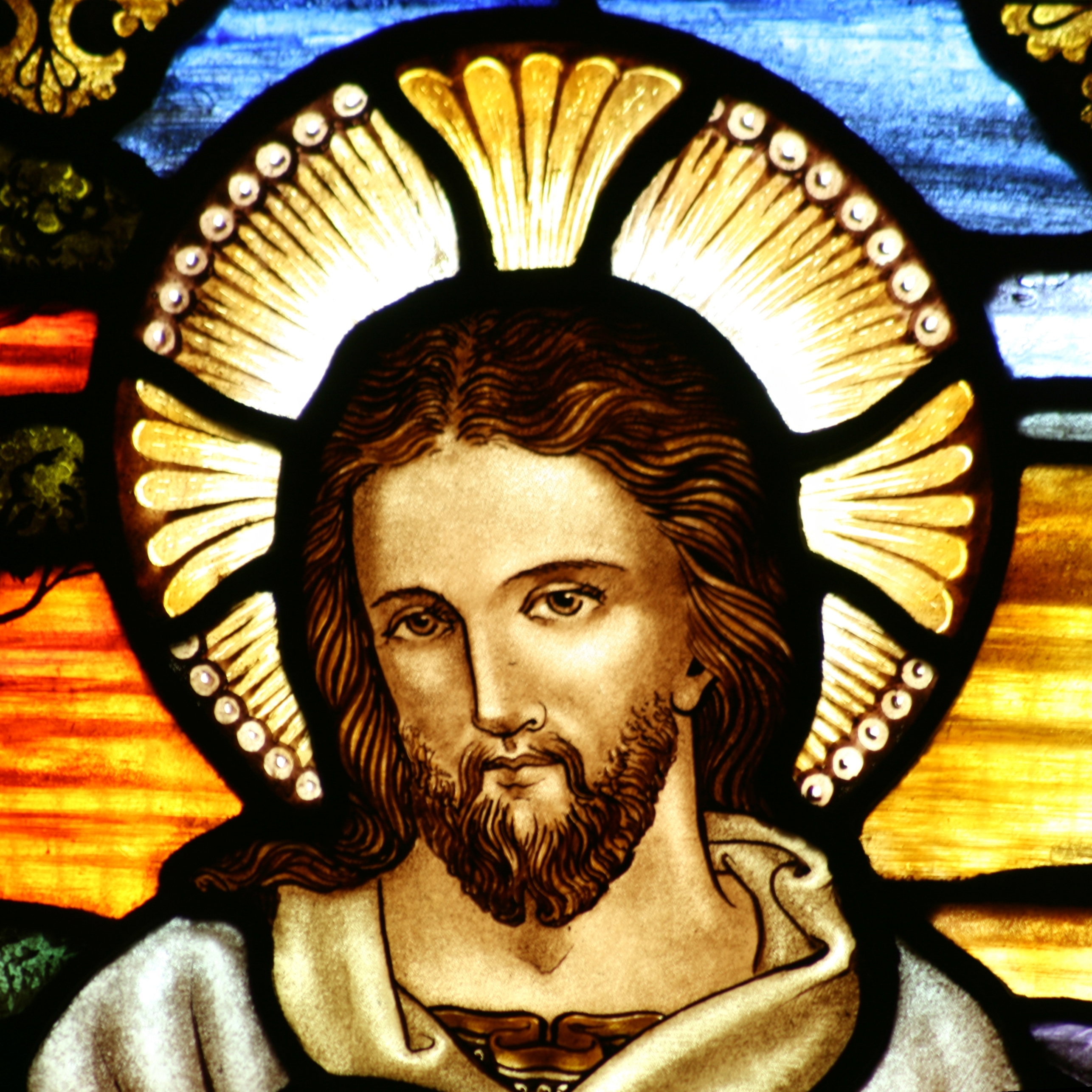 Stained glass at St John the Baptist's Anglican Ch...
![[Portrait of Les Paul, Fat Tuesday, New York, N.Y., ca. 1980s] (LOC)](/uploads/0/8729/portrait-les-paul-fat-tuesday-new-york-n-y-ca-1980s-loc.jpg) [Portrait of Les Paul, Fat Tuesday, New York, N.Y....
[Portrait of Les Paul, Fat Tuesday, New York, N.Y.... Paul Walker
Their identity does not derive from geography or the social norms of Corinth. They are part of the elect of God and as such are expected to remain faithful to God's covenant, just as God will remain faithful to them. Paul's theme is that God actually sanctified them in Jesus, and in so doing formed them into a much larger community of faith embracing believers everywhere and called to holiness.
When Paul says God is faithful, he is echoing a strong Jewish affirmation deeply rooted in Scripture. Israel's confidence in God's faithfulness was integral to her sense of election and calling as God's covenant people. This is a crucial part of Paul's own religious heritage, and it is now part of the heritage of the Church in Corinth.
When they were baptised in the name of Christ, the Corinthians were not...