The Enlightenment is a name given by historians to an
intellectual movement that was predominant in the Western world during
the 18th century. Strongly influenced by the rise of modern science
and by the aftermath of the long religious conflict that followed
the Reformation, the thinkers of the Enlightenment (called philosophes
in France) were committed to secular views based on reason or human
understanding only, which they hoped would provide a basis for
beneficial changes affecting every area of life and thought.
The more extreme and radical philosophes--Denis Diderot, Claude
Adrien Helvetius, Baron d'Holbach, the Marquis de Condorcet, and
Julien Offroy de La Mettrie (1709-51)--advocated a philosophical
rationalism deriving its methods from science and natural philosophy
that would replace religion as the means of knowing nature and destiny
of humanity; these men were materialists, pantheists, or atheists.
Other enlightened thinkers, such as Pierre Bayle, Voltaire, David
Hume, Jean Le Rond D'alembert, and Immanuel Kant, opposed fanaticism,
but were either agnostic or left room for some kind of religious
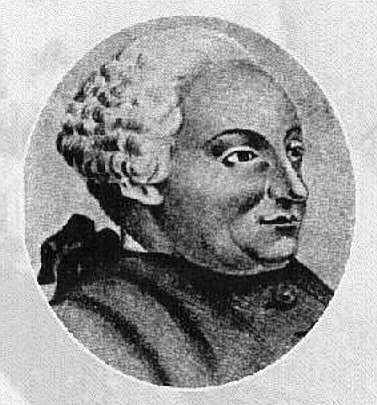 Paul Heinrich Dietrich Baron d'Holbach
 Enlightenment Room, British Museum
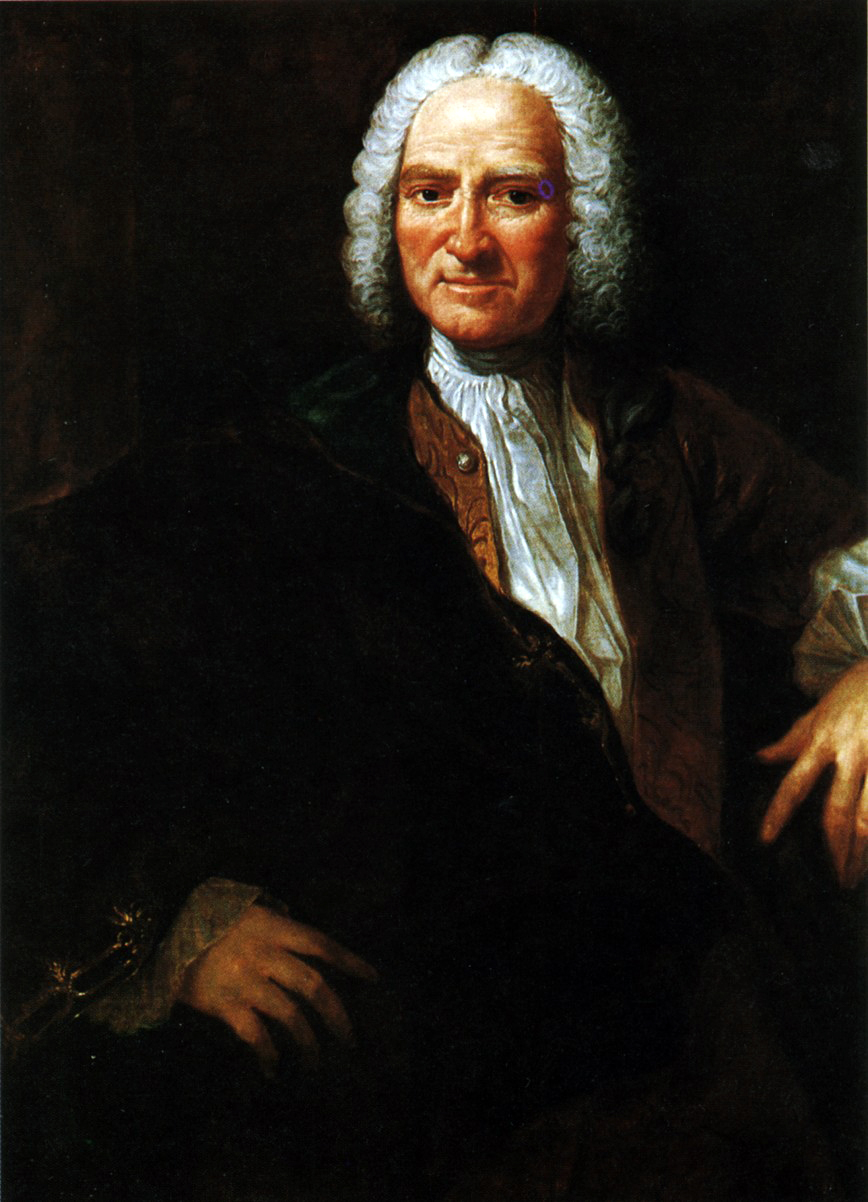 Paul Heinrich Dietrich Baron d'Holbach, 1785, by A...
faith.
All of the philosophes saw themselves as continuing the work of
the great 17th century pioneers--Francis Bacon, Galileo, Descartes,
Leibnitz, Isaac Newton, and John Locke--who had developed fruitful
methods of rational and empirical inquiry and had demonstrated the
possibility of a world remade by the application of knowledge for
human benefit. The philosophes believed that science could reveal
nature as it truly is and show how it could be controlled and
manipulated. This belief provided an incentive to extend scientific
methods into every field of inquiry, thus laying the groundwork for
the development of the modern social sciences.
The enlightened understanding of human nature was one that
emphasized the right to self-expression and human fulfillment, the
right to think freely and express one's views publicly without
censorship or fear of repression.