Is air travel safe?
Statistically, air travel is reasonably safe when compared with road, rail and sea. Many countries have a high death and injury rate on the road; train, ferry, and ocean going ship disasters are regular enough to be commonplace, taking a global view. Yet air disasters are usually fatal to all or most concerned and are therefore more widely reported. Consequently there is international pressure to make air travel as safe as possible, and rightly so. Yet no form of travel can be made totally safe. The causes of disaster, whether natural or man-made, can never be completely eliminated.
Looking first at natural causes, at least three can be identified. Bad weather is one. This included storms, icing and air pockets in the case of light aircraft; less so in the case of large jets with sophisticated instrumentation. One cause in the case of jets can be large flocks of birds or swarms of insects being sucked into the jet nacelles and thereby stopping the engine.
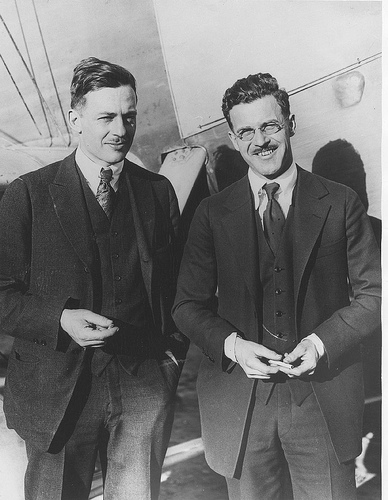 04-02366 Donald W. Douglas and David R. Davis who ...
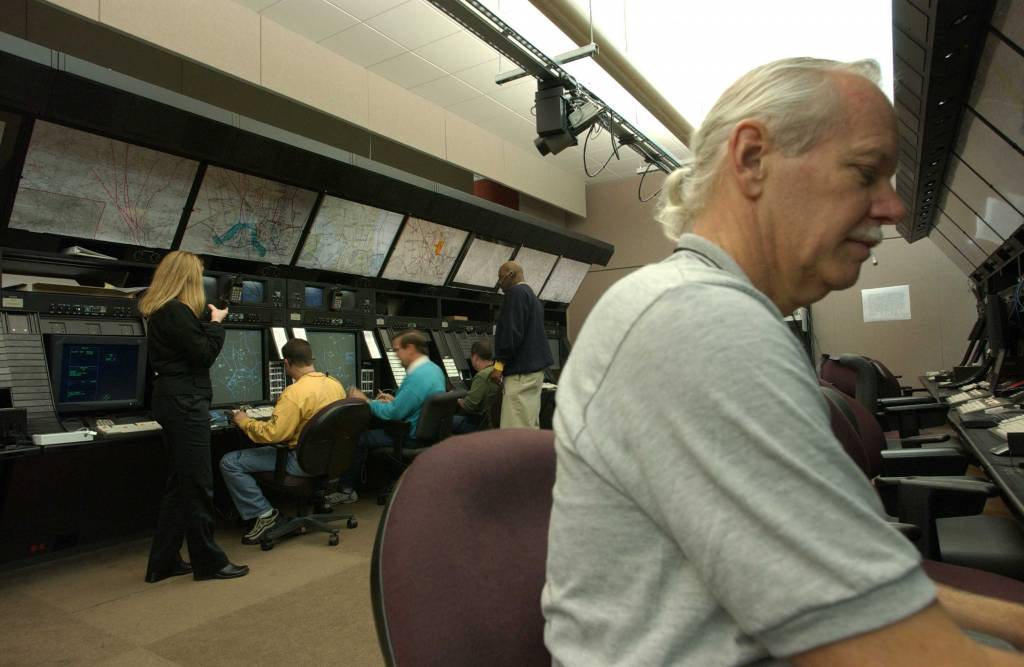 Air route traffic controllers at work at the Washi...
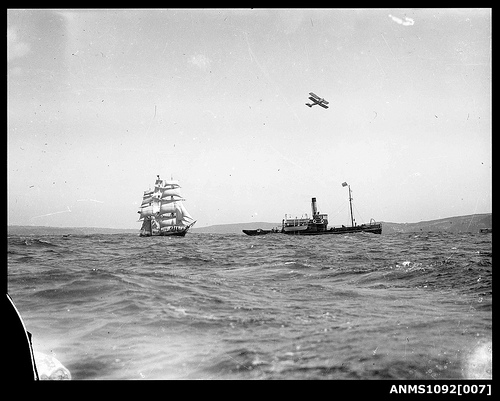 JOSEPH CONRAD, tugboat WARATAH and light aircraft,...
This may happen at low altitudes. Little can be done to prevent this. A third is the alleged danger in what is known as the "Bermuda Triangle", in which both ships and aircrafts have been lost without trace. In the case of aircraft the reason is thought to be loss of horizon due to electrical disturbance.
Most dangers to aircraft are man-made. The first and obvious danger is collision. In the busiest airports, especially in the tourist season, aircrafts may take off as often as every twenty seconds. Much strain is imposed on aircraft despatches and traffic control generally. Clearance for despatch is by radar and computer. Personal fatigue or mechanical failure in a radar centre can be very dangerous. Aircraft often have to circle before being given landing permission, and...