Alfred Hitchcock
Films were a great form of entertainment from their debut in the early 1900's and continued to grow more popular over the years. The film making business hit a growth period in the 1920's. In Hollywood, the assembly line "studio" system of producing a movie was changed and refined, and the famous studious that dominate Hollywood production today, such as Universal Studious, were being put together. Censorship regulations were being formulated for the first time, and Wall Street began to take a more prominent, powerful role in film making. It was the era of short silent films that were backed by organists who could play a variety of famous composers such as Beethoven, and Sousa, and who mastered other sound affects for further enhancement of the movie. It was a time when movies came and went quickly and films that had no pretense of being art were made in mass.
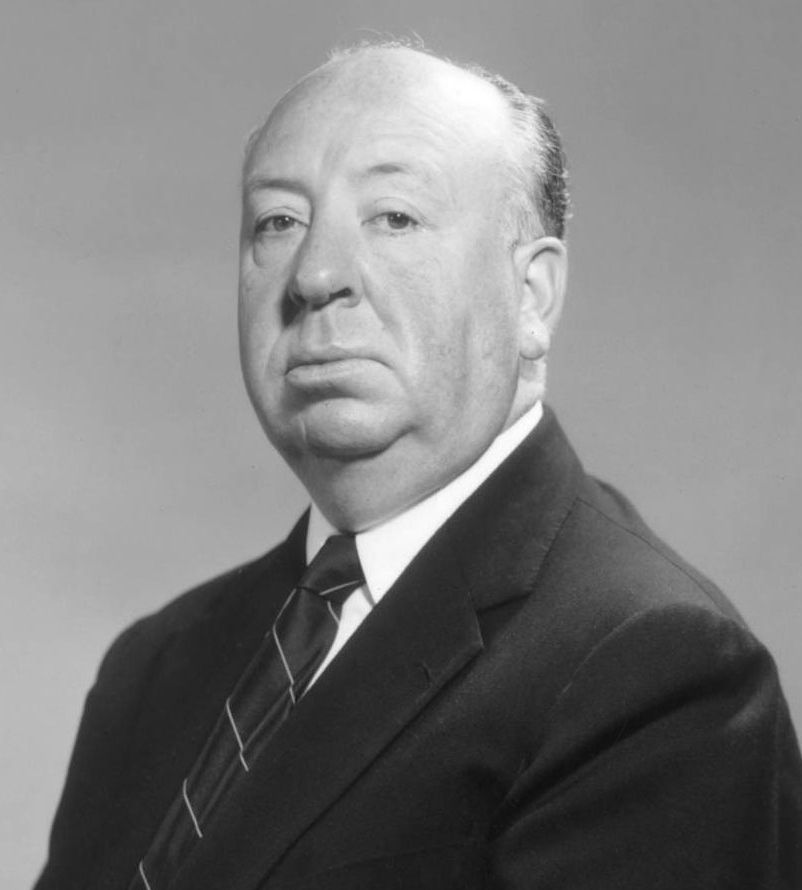 English: Studio publicity photo of Alfred Hitchcoc...
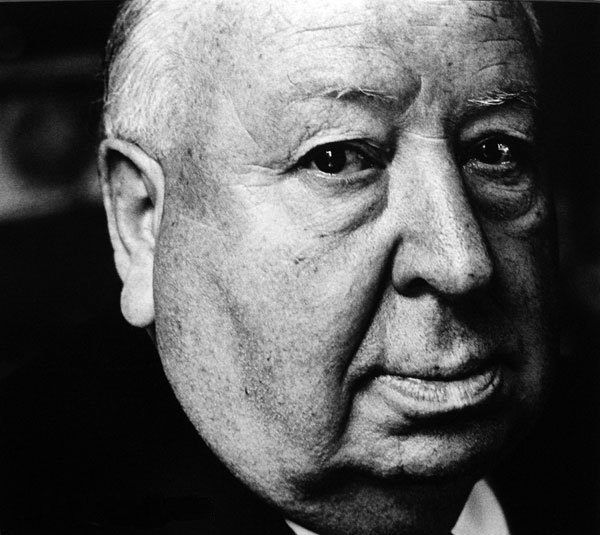 English: Alfred Hitchcock
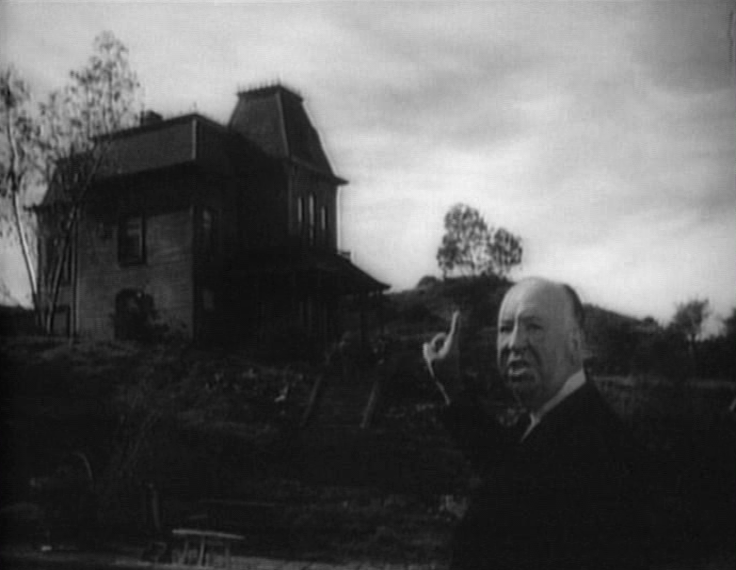 English: Alfred Hitchcock showing Norman Bates' ho...
Nobody ever expected a movie to have an afterlife. They were made only for entertainment and to make money, and were considered disposable back then. It took decades to develop movies as a concept of art. During this time of rapid change in the film making business, a certain aspiring director began his dream of working with cinema. Eventually, the talented and mysterious director, Alfred Hitchcock, played a huge part in establishing his and others' masterpieces as an art.
Born on August 13th, 1899, in London, England, Hitchcock's childhood was that of a lower class Roman Catholic child who attended church regularly. His parents were greengrocers, William and Emma Hitchcock. A strict man, William once told a five year old Albert to go to the police station with a note from his father after some mischief making. Upon reading the note, a sergeant put young Alfred in...