Broadly defined, engineering is the science-based profession by which the physical forces of nature and the properties of matter are made useful to humanity in the form of structures, machines, and other products or processes at a reasonable expenditure of time and money. Civil Engineering is a broad engineering discipline that incorporates many different aspects of engineering. As a CE, you generally would work in one of the following areas:
1. In Private Practice: Plans, designs, constructs and operates physical works and facilities used by the public.
2. In Academia: Teaches students the fundamentals of civil engineering. Also involved in research in order to advance the state-of-the-art.
3. In Public Practice: Involved in city and/or regional planning, layout and construction of highways and pipelines.
4. In Combination with other Disciplines: A civil engineering degree combined with an other degree such as: Engineering Geologist, Engineering Economist, or Engineer/Attorney
Civil Engineering itself is composed of various different areas of engineering.
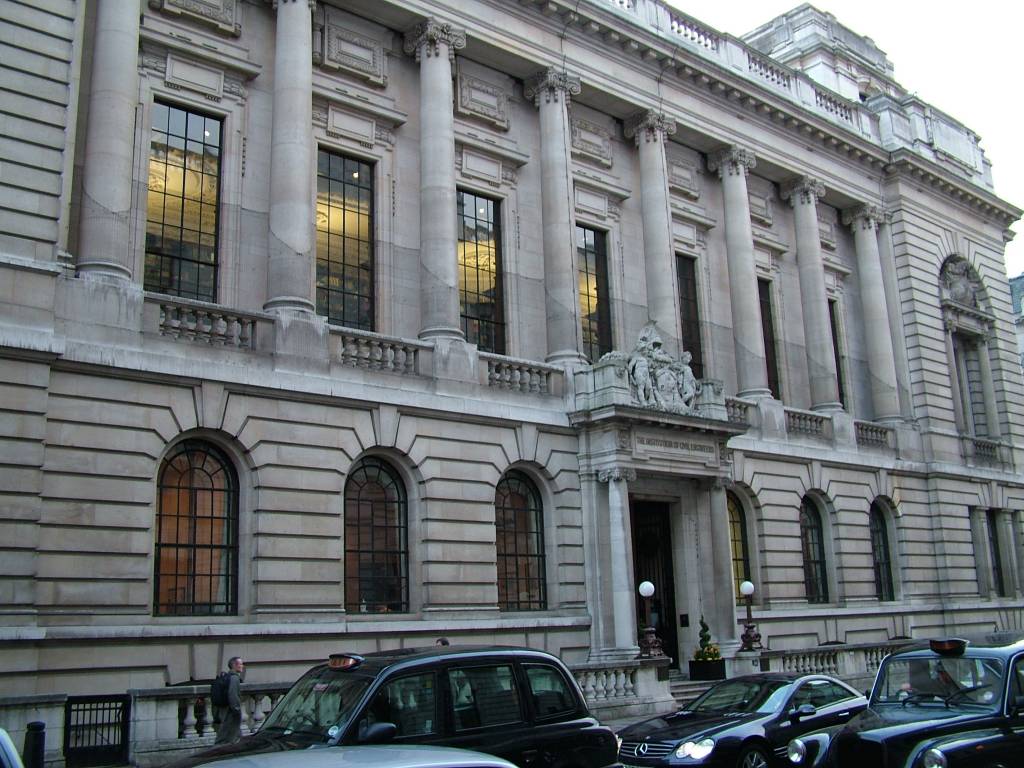 Institution of Civil Engineers, One Great George S...
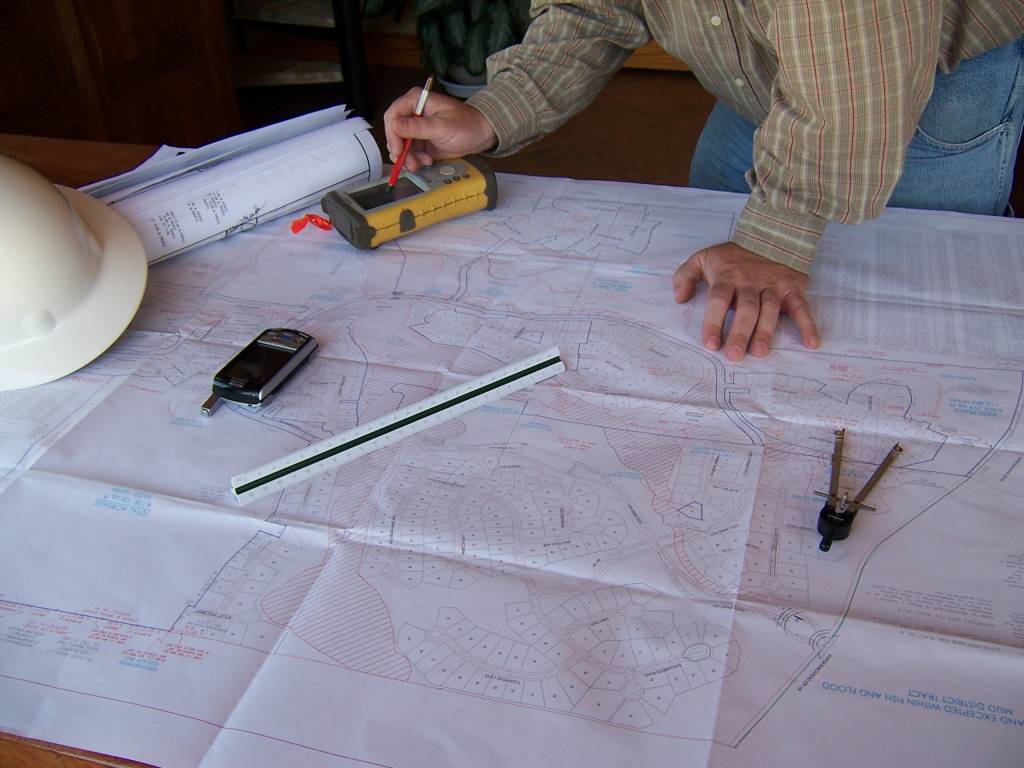 English: Al Bordeau Reviewing Plansets. Is this a ...
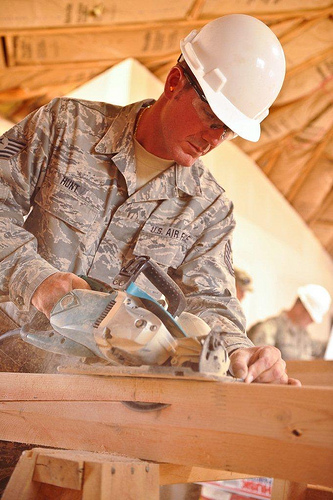 Civil Engineer
The general types of civil engineers include:
Structural Engineer, Water Resources Engineer, Geotechnical Engineer, Transportation Engineer, and Construction Management Engineer
Below is a short description of each of the above types of Civil Engineers.
A. Structural Engineer - Planning and design of buildings of all types, bridges and specialized structures (power plants, nuclear reactors, television towers and radar facilities.) Wherever concrete, steel, aluminum or wood are requiorange to carry loads, Structural Engineers do the planning and design. Usually work closely with the Architect.
* Scott-White & Hookins Trivia
* Council of American Building Officials
B. Water Resources Engineer - Works with water, its control and the development of water supplies. One can work in several areas:
1. Hydraulic Engineer/Hydrologist - Analyzes rain fall data, characteristics of flow in open channels and pipes, designs, reservoirs, studies pollution migration and coastal and shore...