The Amazing Universe
I'm going to tell you about the book 'The Amazing Universe'. I think universe is amazing because the light's speed is very fast, and we can find very interesting things such as solar system, planets, stars, galaxy, supernova, and blackholes in the universe.
First, the light's speed is very fast that is 294,400km/sec and there is a 'light-year'. The light travels in one year and the distance is 9.6 trillion kilometers.
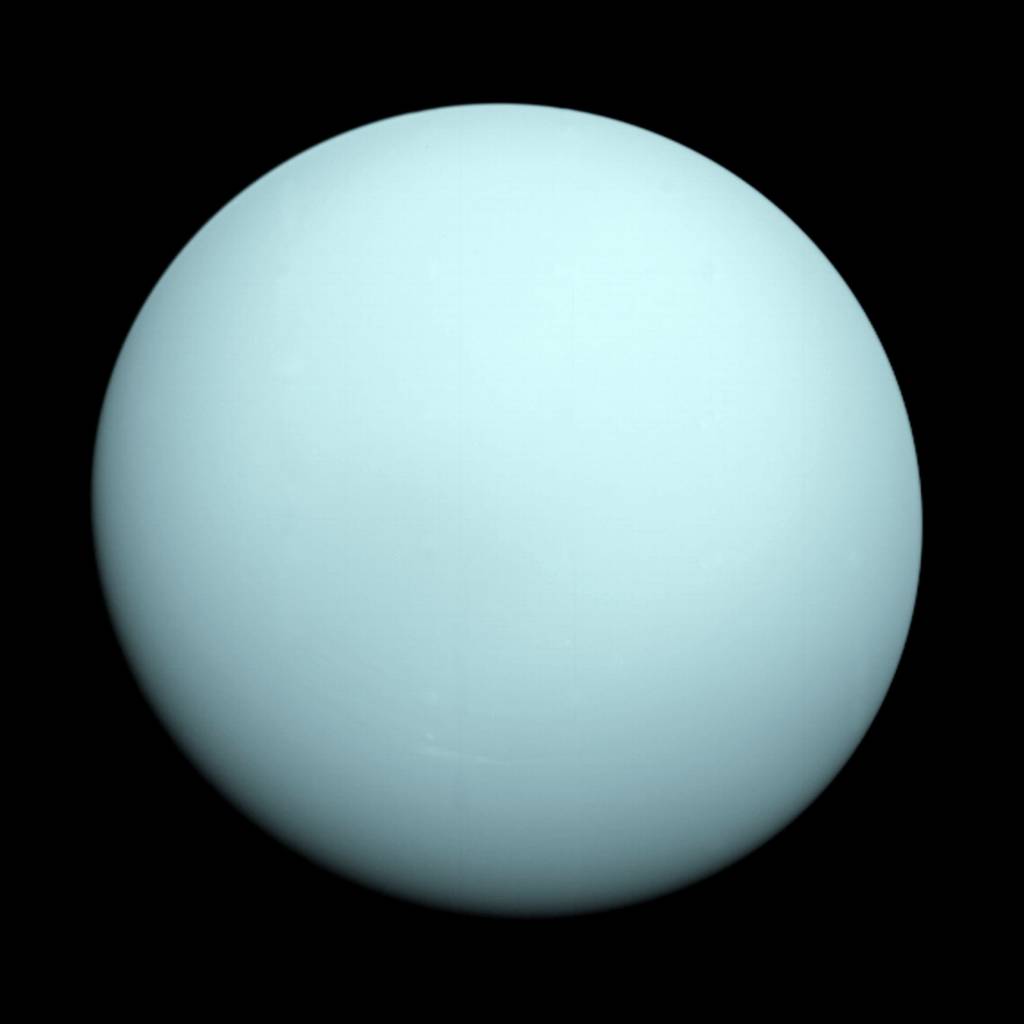
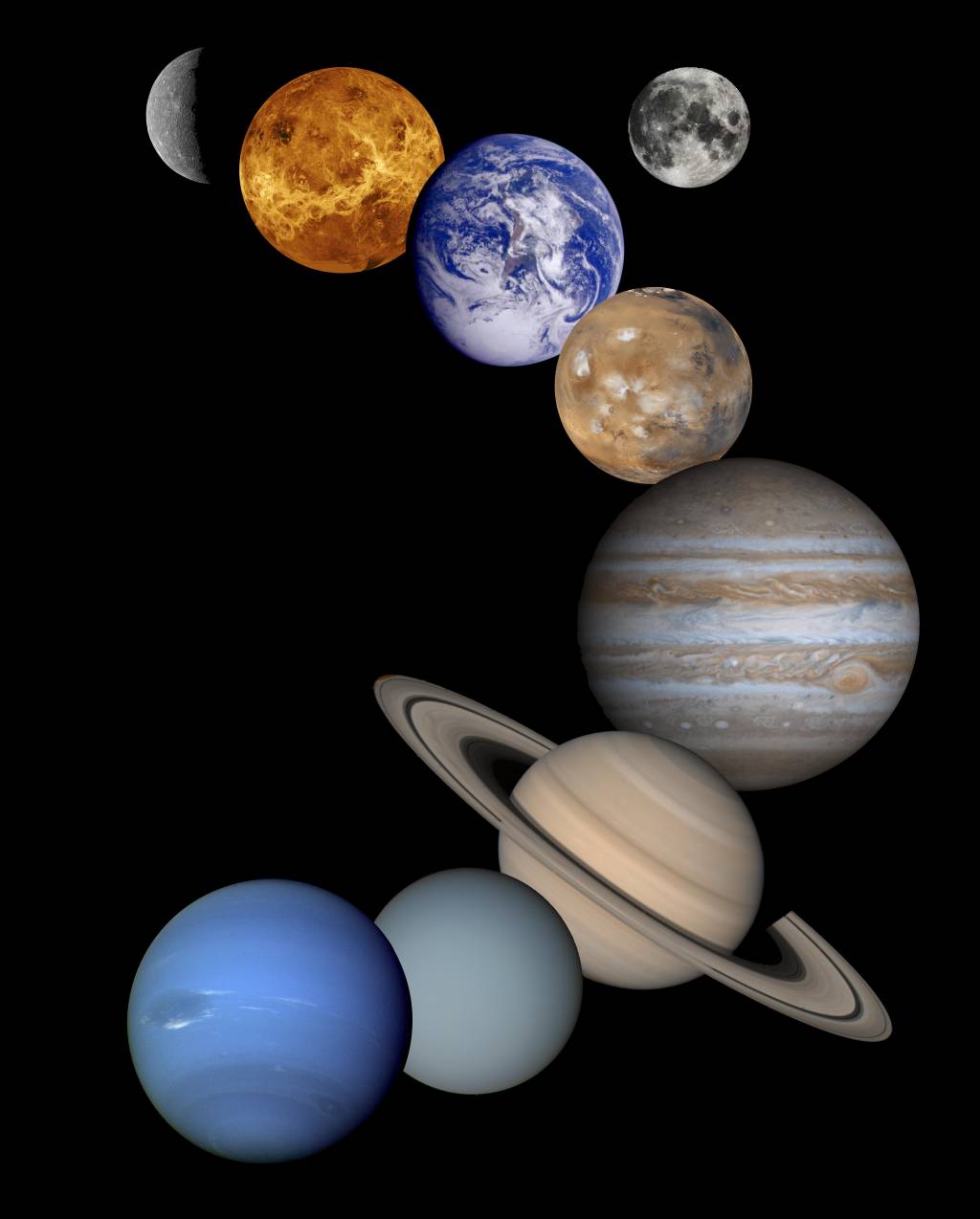
Second, in universe there are solar system, stars, and planets. The solar system include 10 stars and planets(include sun). I'd like to explain these 10 stars and planets to you. The Sun is the ball of fire in the sky that the Earth goes around, and it gives us heat and light. Mercury is the closest planet to the Sun and it is very small. Venus is a second planet from the Sun. It is clearly visible from the Earth as a bright morning and evening star. Earth is the substance on the land surface of the earth, for example clay or sand, in which plants grow. Mars is the fourth planet from the Sun, and the nearest planet to the Earth. We can find water marks on its surface. Jupiter is fifth planet from the Sun, and the largest in the solar system. It has a thin ring. Saturn is the sixth planet from the Sun, with an orbit lying between those of Jupiter and Uranus. Saturn is best known for its bright ring system called Saturn’s rings and it is very light. Uranus is tilted about angle of 98 degrees, and it has 9 microscopic rings that we can't see with our eyes. Neptune's surface is blue which is the same as Jupiter's and is tilted about 17 degrees. It also has ring. The last planet, Pluto...
More Astronomy
essays:
Venus The paper is a study of comparative planetology. The attributes of Venus are compared against the planet Earth.
... the second planet from the Sun and closest to Earth. Due to this location, it is the brightest star in our sky. As with the Earth, there are four key formation properties of the planet Venus. The ...
"The Largest Planet" This is a research essay about Jupiter. It includes unmanned missions to Jupiter and the general characteristics of the planet. It has 6 references.
... Jupiter to gather information to send back to Earth.. The more recent Galileo mission was launched from the Space Shuttle Atlantis in 1989 to travel to Jupiter and study the planet for a period of two years and ...
"Our Dynamic Solar System" the origin of the solar system, laws governing the solar system, the sun, the planets and the other bodies that are included.
... contribute to this interplanetary medium. Mercury is the closest planet to the Sun, and second smallest planet in the solar system. It moves quickly across our sky. Its diameter is 40% smaller than Earths. It ...
The Colonization of Mars: The Plan for Human Survival This essay describes how life could possibly be sustained on Mars and what is necessary for life to exist in general.
... than Earth, if life was to have survived at one time or another in our solar system it would have almost certainly been on Mars. III: Mars Mars is the fourth planet from the sun and the seventh ...
Study notes, data, statistics on planets, astronomical beings, the greenhouse effect
... None Venus and Mars Venus: *Distance from the Sun: (Semimajor axis of orbit) 108,208,930 km, 0.72333199 A.U. *Radius: 6,051.8 km (0.9488 of Earth's ...
Basic Information about the sun Since the birth of mankind,
... in the Earth's magnetosphere. How does the sun shine Thousands of years ago, people thought that the sun was a huge ball of fire sitting in the sky ...
MARS about the life of mars
... the fourth planet from the sun. It is closet planet to earth. Mars is the planet with more solar exploration than any other planet in our universe. Mars is the one planet that has an atmosphere similar to ours. Mercury, Venus ...
Star Birth - The life cycle of Stars Part of the curriculum for SCI350 - University of Phoenix
... dwarf. The role of the bipolar flow is to clear away gas and dust from the young star. Some of this gas and dust may later collect to form planets. When ... 1 light year by 300 light years. These clouds of dust within the vastness of space are composed of mostly Hydrogen and dust particles. The clouds ...