An analysis of the cinematic techniques that are used in the portrayal of the 'outsider' in films. Why are such films popular and what do they tell us about society as a whole? GCSE A grade.
We looked at three films from the 1980's and 1990's - 'The Elephant Man', 'Edward Scissorhands' and 'Rain Man'. An outsider is someone who has been rejected by society. They are treated differently, usually worse, than 'normal' person either because they look or act differently. I think John Merrick, Edward and Raymond make good protagonists because you empathise with them. You start to feel how someone who is made fun of feels and because they look different or act strangely you don't forget them quickly, which is what the director wants. All three protagonists are treated like freaks, which makes them interesting choices for main characters. Films can use cinematography to show an outsider. Things like camera angles, composition, lighting and music are examples of successful techniques to show an outsider.
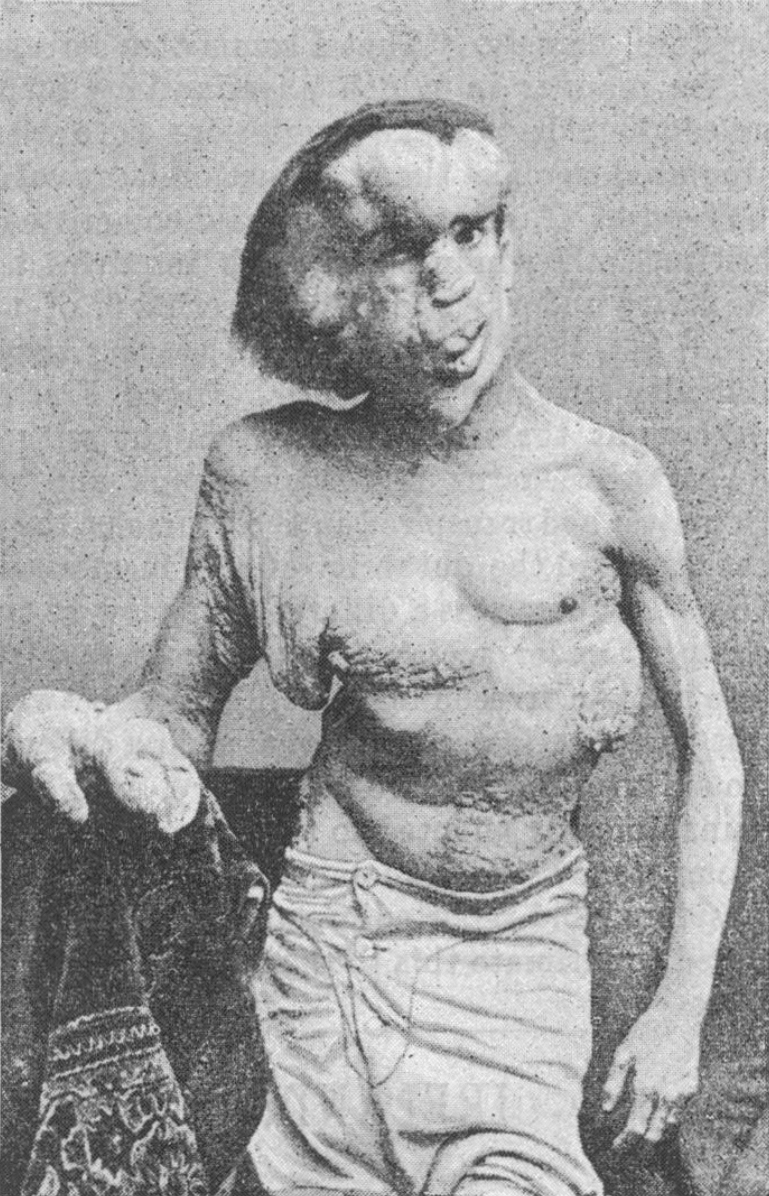
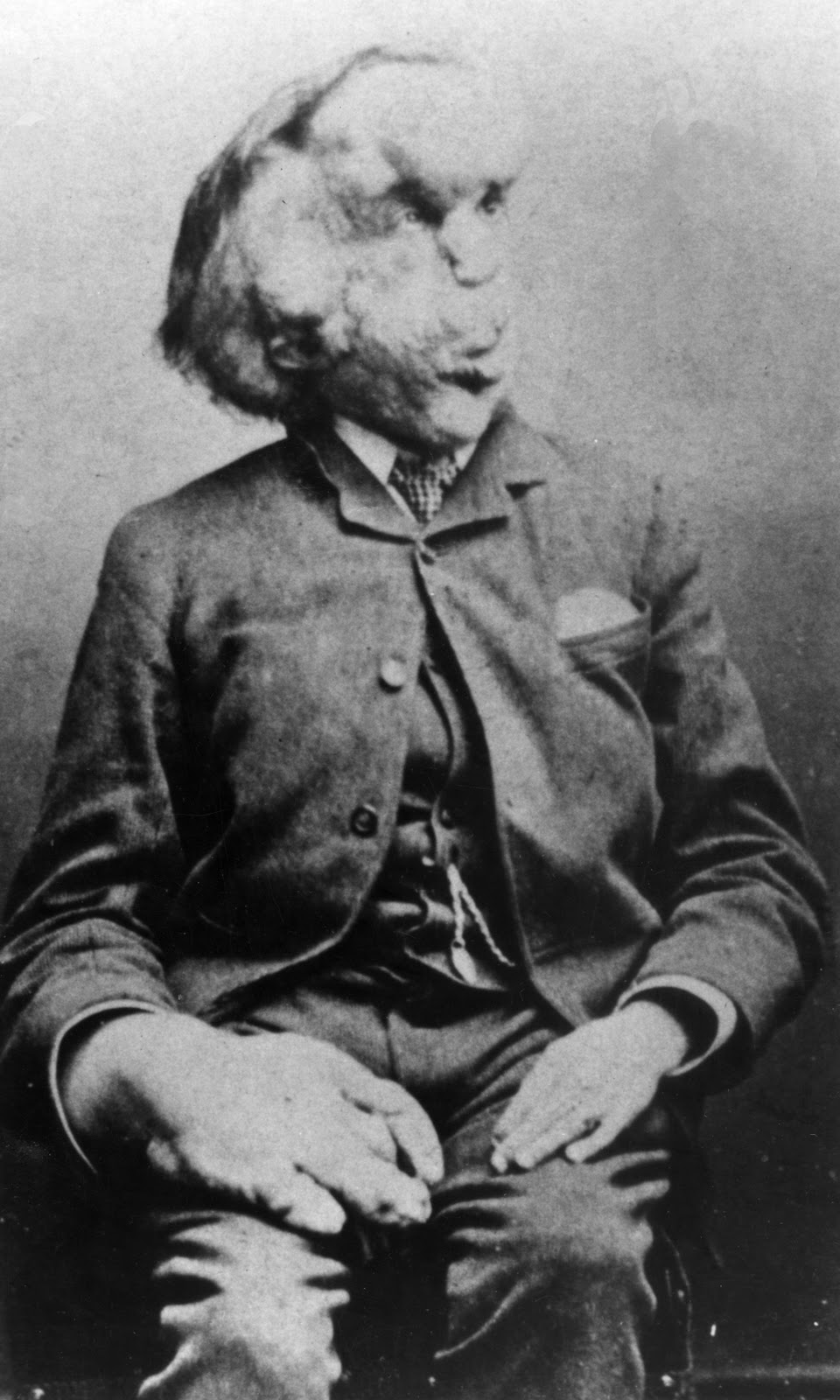
The first film we watched was 'The Elephant Man' directed by David Lynch. It was released in 1980 and starred Anthony Hopkins as Dr Treves, John Hurt as John Merrick, Anne Bancroft as Mrs Kendall, Sir John Gielgud as Carr Gomms and Michael Elphick as the villain. The Elephant Man is part of a freak show, he is 'owned' by Bytes. When Dr Treves wants to see the Elephant Man he realises that he is ill and takes him to the hospital. Dr Treves first uses the Elephant Man, John Merrick for his experiments but while John Merrick is staying in the hospital their friendship grows. Dr Treves learns about Merrick's talent of drawing and his wish to be normal. At one point Merrick is kidnapped by Bytes but he escapes and goes to the station wearing a mask to go back to the hospital. Someone takes his mask and he runs only to be followed. Merrick comes to a dead end at the barred up toilets, but some...
More Film Review and Analysis
essays:
Hitchcocks Pyscho: Cinematic Techniques Discuss the cinematic techniques and how they affect the sense of horror in the film
... ground lighting casting an eerie shadow onto the roof. Camera Angles Overhead ... to Film Making Psycho uses a realism approach to film making, but may also use some aspects of expressionism, with the use of camera angles and camera location ...
The Persuasive Techniques Used "In Bowling for Columbine".
... difference to the world. The editing of this scene coupled with the camera movement means that Moore can only show selective images which would persuade the ... way things were before and non-violent images are used, for example a man throwing flowers. Next it cuts to what happens after the US get ...
Movie Analysis of "Jaws".
... movie cameras. The movie "Jaws" was edited by Verna Fields, "She was affectionately named "Mother Cutter" by the Jaws crew because of her ability to cut film & the way she took care of the crew." In 1976 Verna Fields won three ...
How effective is the portrayal of the independent self in "Citizen Kane".
... The cinematography involves deep-focus, long-take, mobile camera style and the related but distinct development of film noir style with its low-key lighting. Many ...
"Pleasantville" by Gary Ross
... 50's television sitcom however marks the arrival of a strange TV repairman (Don Knotts) who, impressed by David's Pleasantville expertise, transports the teens to the black and ...
Explain how a film you have studied depicts conflict, and discuss how this depiction influences the viewers' response to the ideas and characters in the film.
... three boys," Ward explains, "I'll take all the help I can get." The different approaches that each group takes to racism and racist crimes serves as another major source of conflict in the film ...
Way Over My Head: Schizophrenia in "One Flew Over the Cuckoo's Nest"
... other in group "therapy" sessions. This upsets McMurphy, and throughout the film, he uses different techniques to try to reverse the damage ... rationally, one can perceive that McMurphy is a normal but desperate man who is simply misunderstood. The criteria for schizophrenia cannot be met by Randal ...
England Swings into it's own Grave: England Swings, right into its own Grave. An analysis of the depiction of British National Identity in the 1973 Vincent Price horror classic "Theatre of Blood"
... its protagonists .In many respects Edward Lionheart is much more appealing to the viewer then those he seeks retribution against. As the outsider, he ... by John Grierson. This definition of national identity served for the inspiration behind such notable films as David Lean ...