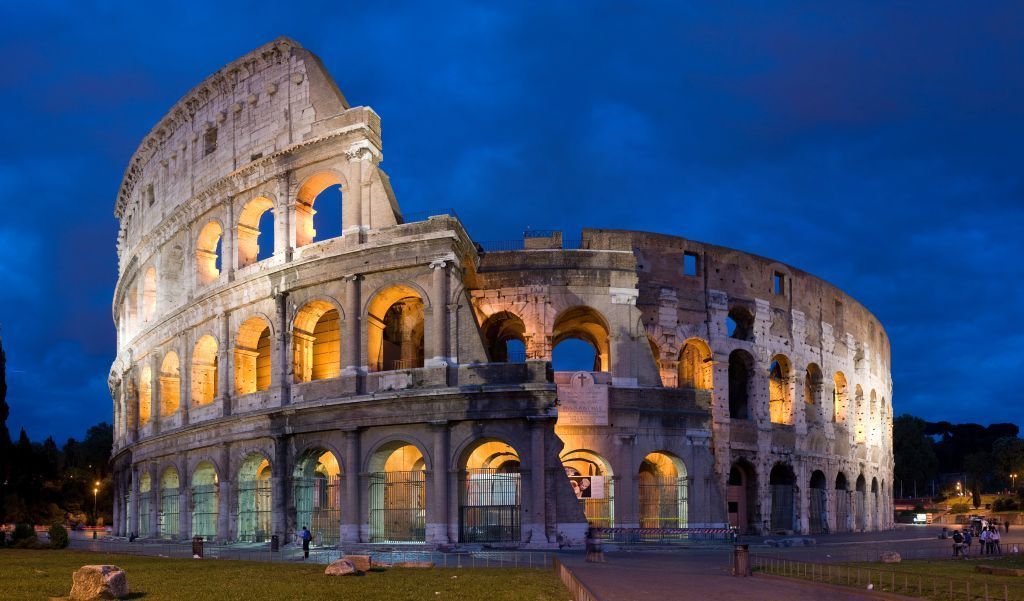
Ancient Rome's Animal Cruelty for their entertainment in the Amphitheatre and to maintain Political Status Quo.
"The Romans are often characterized as loving violent and cruel entertainment in the amphitheatre. It has been suggested that the games served the dual purpose of providing entertainment for the people and maintaining the political status quo."
In today's society, the killing of humans and animals usually means a jail term, and seeing someone die is not something people go and see for fun. Violence was glorified in Rome hundreds of years ago. All the crimes they committed were condoned, accepted and glorified.
There were four different genres of such entertainment in the games held in amphitheatres (Amphi-theatres are outdoor arenas. "theatres in the round": Amphi- meaning "round" in Greek.) : Gladiatorial combat, the theatrical execution of foreigners, beast shows, as well as chariot racing. Watching someone or a beast kill another was applauded for the method, skill, or artistry used in the slaughter. The games themselves provided ways for Rome to demonstrate the power of their empire, as huge investments of wealth, time, and emotion was put into the games. Death became a spectator sport with the viewers and the viewed both contributing to a wild and gory performance. Already by the late Republic magistrates were spending huge amounts of money on these games. The Latin word for gladiatorial games is Munus which means obligatory offering. This reflects the origin of these games as funerary offerings to the dead. While magistrates in the Republic may well have put on games to gain popular favour, this was in their private capacity and not as magistrates. Only gradually did the gladiatorial shows come to be assimilated with the games put on by magistrates.
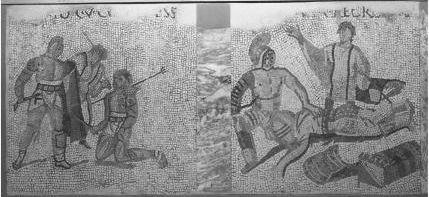
The most popular games were chariot racing, simulated naval battles and fights in the amphitheatres. These fights are shown in their mosaics including gladiator V gladiator, gladiator V...
Reviews of: "Ancient Rome's Animal Cruelty for their entertainment in the Amphitheatre and to maintain Political Status Quo."
:
More Roman History
essays:
"Discuss the reasons for the decline and ultimate fall of the western Roman Empire, evaluating internal and external influences."
... in Rome. Emperors like Nero and Caligula became infamous for wasting money on lavish parties where guests ate and drank until they became ill. The most popular amusement was watching the gladiatorial combats in ...
History of Roman Government
... thousands of years after his death. Both the German word Kaiser as well as the Russian word Czar are from the name Caesar and mean ruler. Today some three-fourths of the countries are Republic, styled after the Romans. The ...
Caesar's campaigns in Gaul.
... Feeling that the passage of such a large body of emigrants through Gaul would be dangerous to the province, Caesar was determined to interfere. The Helvetians were met at Bibracte and after a terrible battle they were defeated with great slaughter ...
Roman weapons
... method of how the Romans were able to make such effective ballista and onager springs has been lost. There appears to be no evidence that the Romans ever ... in the conquering of lands done by Ancient Rome. A short sword called The Gladius was the main weapon of the Roman Military. When people used ...
Augustus' Role in the Consolidation of the Roman Rmpire and the Ending of the Republic
... number of Public reforms that changed the existing political, military, monetary, religious and social laws and practices. His most important and very publicly made Social reforms pertained to marriage, divorce and freedmen status. These ...
Some say the fall of rome was due to barbarian invaders. yet its been said that the problem lay in the struggle inside the empire. how did rome fall internally?
... sure that the Praetorian Guard was happy and the people of rome were happy. Because fear of losing the throne overrode the fear of losing the Empire. Roman history is a jigsaw puzzle of many ...
What does the 'Trial of Verres' reveal about provincial malpractice and corruption in the Roman Courts.
... states that these acts of corruption and provincial malpractice are rampant throughout the Roman political system ... in Rome, and finally his great atrocities as a Governor of Sicily, leaving the province in a ruinous state. Following his outline of Verres' crimes, he ...
The Transition between Rome the Republic and Rome the Empire
... first political murder in Roman history, is important because it leads to a series of assassinations for political issues. Also, another event that leads Rome to ... was formed by Crassus, Pompey, and Julius Caesar, with the purpose of personal wealth and power. After Julius Caesar becomes consul, he ...
Good! Essay
I like your essay!! Very Helpful!!
0 out of 0 people found this comment useful.