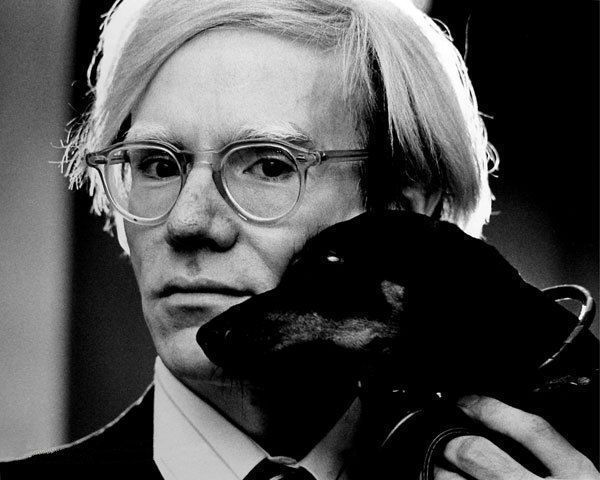
Andy Warhol: The Life and Art of the Prince of Pop.
Andy Warhol: The Life and Art of the Prince of Pop
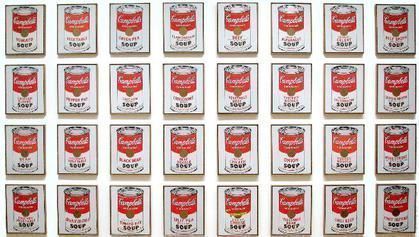
Andy Warhol created the most sensational and often controversial art of the 1960's. He appropriated images that Americans knew and loved--like Campbell's soup cans and Coca-Cola--and transformed them into radical and enduring works of art. Andy's art did not give us answers; instead, it raised questions. He gave us a shocking look at what constitutes who we are. In grasping the essence of Pop Art, Warhol's work is completely about the spirit of culture in modern society.
Andrew Warhola was born in Pittsburgh, Pennsylvania in 1928, to a poverty-stricken immigrant family. Having no money to buy toys, Andy's mother encouraged him and his two brothers to draw. Little Andrew took to it immediately, impressing his family with his pictures. His father, a factory worker, had only enough money to send one child to college. He began to save his pennies so that Andrew could be the first of the Warhola's to attend college.
At age eight, Andrew was diagnosed with a nervous disorder called St. Vitus's Dance, which made his limbs shake uncontrollably, and turned his skin ghost-white. Later in life, it also made his hair fall out (hence the white wigs). He was ridiculed in school, and became a loner, always opting to watch, rather than partake in fun activities.
"In the future, everyone will be world famous for 15 minutes." -Andy Warhol
Andy's fame as an artist lasted longer than fifteen minutes. It began at Carnegie University in Pittsburgh, where he learned valuable lessons in getting attention. He was a shy person and loved to observe people. He studied them from the sidelines, painting portraits of his classmates, which quickly earned him an entourage of friends. It was also in college that he submitted a painting to...
More Artists
essays:
Andy Warhol: A review of His Time Capsules - Shown at the National Gallery of Victoria: Andy Warhol exhibition
... Campbell soup cans, differed from work arts such as Lin Onus. Warhol used repetition consistently and famous public images to demonstrate examples of pop art and ...
3 Works of art from the Baroque era
... part of Baroque art. The paintings are meaningful, sending very strong messages. The works of art I ... his mythical and biblical paintings. In his early years he attended a Latin school where his paintings were small with religious ...
A few latin american artists with background and works of arts
... is a Columbian artist that has done numerous works of art in her lifetime. Her latest series consists of statues that are based on North American cartoon figures. She has done figures of The Simpson's, Cartman from South park, Goofy ...
What is artistic patronage and how important is the patron's input? Examine the importance of patronage for the work of at least two artists dealt with in the subject.
... members of the powerful Medici family, who spent money on constructing churches and encouraging art. The works date from the time of Lorenzo de Medici whom Machiavelli called "the greatest patron of art and ...
The Life, Influence, and Works of Architect Louis I Kahn.
... Kimbell Art Museum in Fort Worth, Texas. Primarily constructed of reinforced concrete, the museum was a classically inspired work of art that incorporated a multitude of inspirations ...
Symbolism in the Renaissance Art Work of Da Vinci
... begin of a new era of art history. Many of the most word renowned artists of painting, architecture, and sculpture are producing their works during the fourteenth and fifteenth centuries. Many of these ...
Discuss the Aims and the Work of Manet - make particular reference to his influences and contemporary life, which would have affected his work. Make reference to specific works
... began working, the generally accepted art was the official art of the Salon. His work can generally be described as part of the impressionist movement, which emerged from the works of Realist ...
Frida Kahlo and her wonderful works of surrealism
... a motion picture out about her life and also numerous documentaries. In the majority of her work she painted herself. She showed everyone the "Hispanic" in her art by painting what she was use to and who she was, more than ...