Anne Sexton's "Cinderella"
"Cinderella" Analysis
Through literary devices such as simile, repetition and symbolism, Anne Sexton delivers the message that there is no way to live "happily ever after." Using four short stories as a lead in, Sexton makes powerful arguments about society by creating the symbol of the dove and alluding to the story of Cinderella. For Sexton there is no Cinderella, there is no prince charming, and there is no happy ending. However, through "Cinderella," she argues that the "happy ever after" ending remains an illusion society chases.
Sexton initially presents examples of success stories in which people, with lives of hardship, receive everlasting happiness due to superficial commodities. Sexton creates emphasis for the multiple stories using sentence fragments such as "from toilets to riches," (4) and repetition of "that story" to create colloquial tone. Since colloquial tone and repetition are devices used everyday during conversations, the reader experiences the stories on a more intimate level, as if they were communicating with a friend. Sexton's first story describes a "plumber with the twelve children" (2) who transforms his life from tragedy to triumph from winning the "Irish Sweepstakes" (3). Sexton uses the stories to point out a reoccurring theme: a person cannot become instantaneously happy despite their good fortune, because real life is filled with tribulation. Similar stories of disheartened souls who change their lives from "rags to riches" are used as a lead in to the Sextons main allusion, "Cinderella." Sexton leads into "Cinderella" by contrasting the supposed success stories to the tale of a young woman who searches for a similar fate, only to find a modicum of contentment after an ordeal.
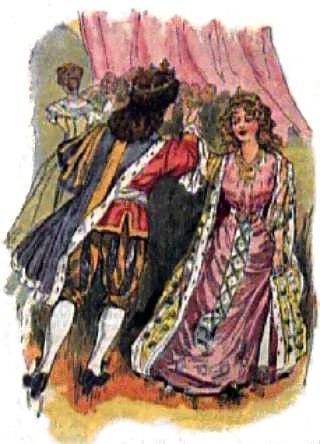
Cinderella, the main character in the poem, is portrayed as being unfortunate, mistreated, and discouraged. Sexton creates understanding for Cinderella using similes. In the first stanza, Cinderella's...
More Poetry
essays:
Anne sexton's cinderella
... of happily ever after. Sexton portrays the meaning of her poem by changing the expectations of the reader in reference to the traditional story of Cinderella. Sexton wants her readers to live in reality and not wait for prince charming ...
Satire in Anne Sexton's Cinderella
... That story." Satiric poetry like "Cinderella" often blends criticism with humor to convey a message that the author is trying to convey. Satire can be seen in "Cinderella" without even finishing the first stanza. In Anne Sexton's ...
The Life of Anne Sexton
... three stories" was put into circulation. "Anne Sexton: A ... a short amount of time, Anne Sexton had taken her own life, by asphyxiating herself in her own home. At the time of her death, she was only 45 years old. Unfortunately Anne Sexton lived a ... of Anne Sexton's first great success as ...
Essay analyzing Anne Bradstreet's The Author to Her Book; focuses on the complex attitude of the author towards her work.
... never to be completed. The Author to Her Book shows Anne Bradstreet's complex attitude towards any literary work of hers by giving the controlling metaphor of a ... feelings of a piece in terms of a critic. To show the reader of the poem her feelings, Bradstreet gives advice to the metaphorical child, " ...
a short summary/analysis of Gilbert's short story "The yellow wallpaper."
... that after reading Gilbert's account of her own feelings in this short story, Wier Mitchell discontinued the use of "rest therapy".) We discover ... convinced this woman is "trapped" by the wallpaper but yet, manages to successfully "escape" even if only to slink around the shrubbery. The narrator ...
Explication of "Stopping by Woods on a Snowy Evening."
... correlates to the journey that the man is on. Another literary device that frost is alliteration. Throughout the poem, Frost uses the ...
"Briar Rose", by Anne Sexton - Analysis
... they lived happily ever after." Sexton begins telling the reader how Briar Rose will become an insomniac. She also begins applying some of today's modern day medicine to the story, by ... a happy ending. When Anne Sexton tells us her version of Briar Rose, she immediately begins by giving the reader a ...
Plath's poem "Tulips"
... to the poem. Metaphors were also used to give the reader a better understanding. The symbol of the tulips caused a great stir of emotions in ...