Saint Anselm of Aosta, Bec, and Canterbury, perhaps during a moment of enlightenment or
starvation-induced hallucination, succeeded in formulating an argument for God's existence which has
been debated for almost a thousand years. It shows no sign of going away soon. It is an argument
based solely on reason, distinguishing it from other arguments for the existence of God such as
cosmological or teleological arguments. These latter arguments respectively depend on the world's
causes or design, and thus may weaken as new scientific advances are made (such as Darwin's
theory of evolution). We can be sure that no such fate will happen to Anselm's Ontological
Argument (the name, by the way, coined by Kant).
In form, Anselm's arguments are much like the arguments we see in philosophy today. In
Cur Deus Homo we read Anselm's conversation with a skeptic. This sort of question-and-answer
form of argumentation (dialectic) is very much like the writings of Plato.
 The fifth of Thomas Aquinas' proofs of God's exist...
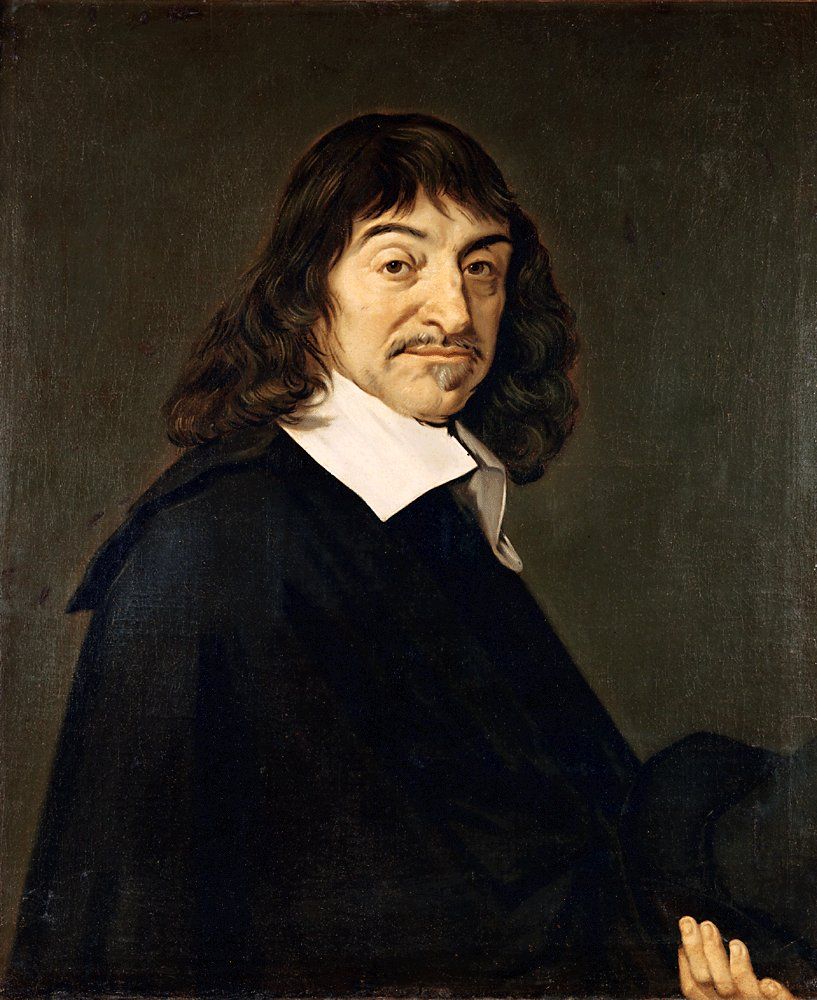 Portrait of René Descartes, dubbed the "Father of...
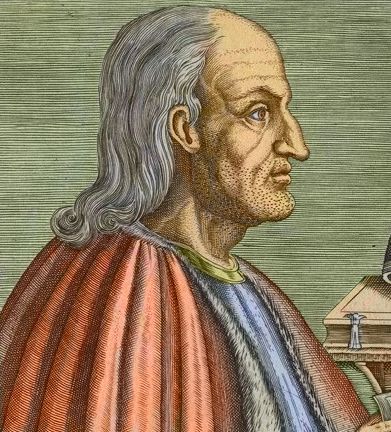 Anselm of Canterbury was the first to attempt an o...
The skeptic, Boso,
question's Anselm's faith with an array of questions non-believers still ask today. Anselm answers in
a step-by-step manner, asking for confirmation along the way, until he arrives at a conclusion with
which Boso is forced to agree. This is just like Socrates' procedure with, say, Crito.
Later philosophers have both accepted and denied the validity of Anselm's famous
ontological argument for the existence of God, presented in both the Proslogium and Monologium.
Anselm did not first approach the argument with an open mind, then examine its components with a
critical eye to see which side was best. Anselm had made up his mind about the issue long before he
began to use dialectic to attempt to dissect it. 'Indeed, the extreme ardor which impels him to search
everywhere for arguments favorable to the dogma, is a confession his part that...
Anselm's Ontological Argument and the Philosophers
Great essay and a great guideline for my paper. Good references as well.
0 out of 0 people found this comment useful.