Answers to some questions about world war II
p. 798 #1a-h, 3, 4, 5, 6
1. a) The "phony war" was the time when French and British forces stayed under the Maginot Line to protect themselves against German forces. There were no battles and everything was quiet.
b) A city in northern France on the North Sea where in World War II (1940) 330,000 Allied troops had to be evacuated from the beaches at Dunkirk in a desperate retreat under enemy fire
c) British statesman and leader during World War II; received Nobel Prize for literature in 1953 (1874-1965)
d) The prolonged bombardment of British cities by the German Luftwaffe during World War II and the aerial combat that accompanied it
e) The conquest of the Sovier Union. Hitler's motives were to gain living space for Germans and to win control of regions rich in resources. He unleashed a new blitzkrieg - the Russians lost two and a half million soldiers.
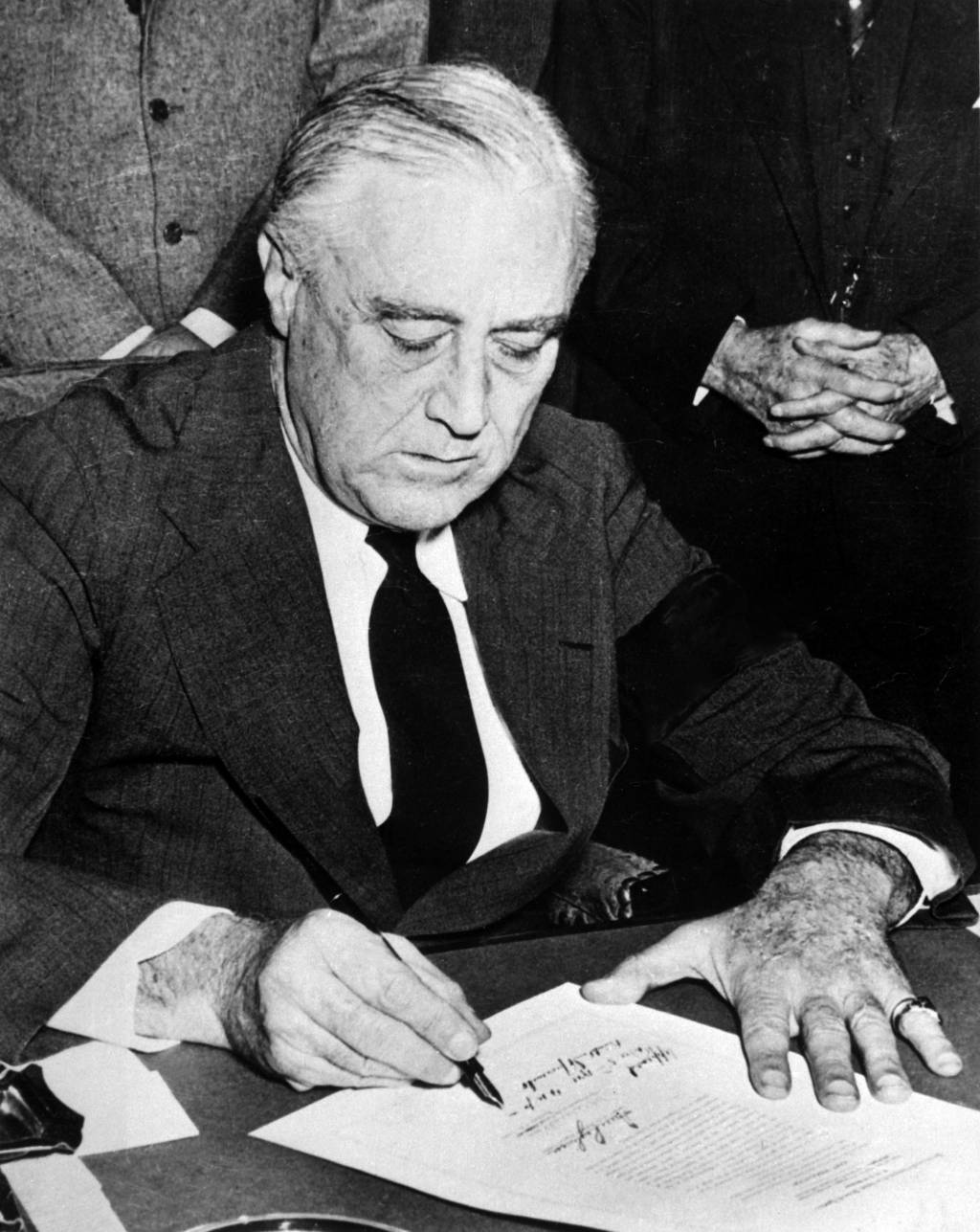
f) In 1941, FDR convinced Congress to pass the act. It allowed him to sell or lend war materials to "any country whose defense the President deems vital to the defense of the United States."
g) Roosevelt and Churchill issued it together in August 1941. it set goals for the war - "the final destruction of the Nazi tyranny" - and for the postwar world. They wanted to support people's rights and for them to choose the form of government under which they would be ruled.
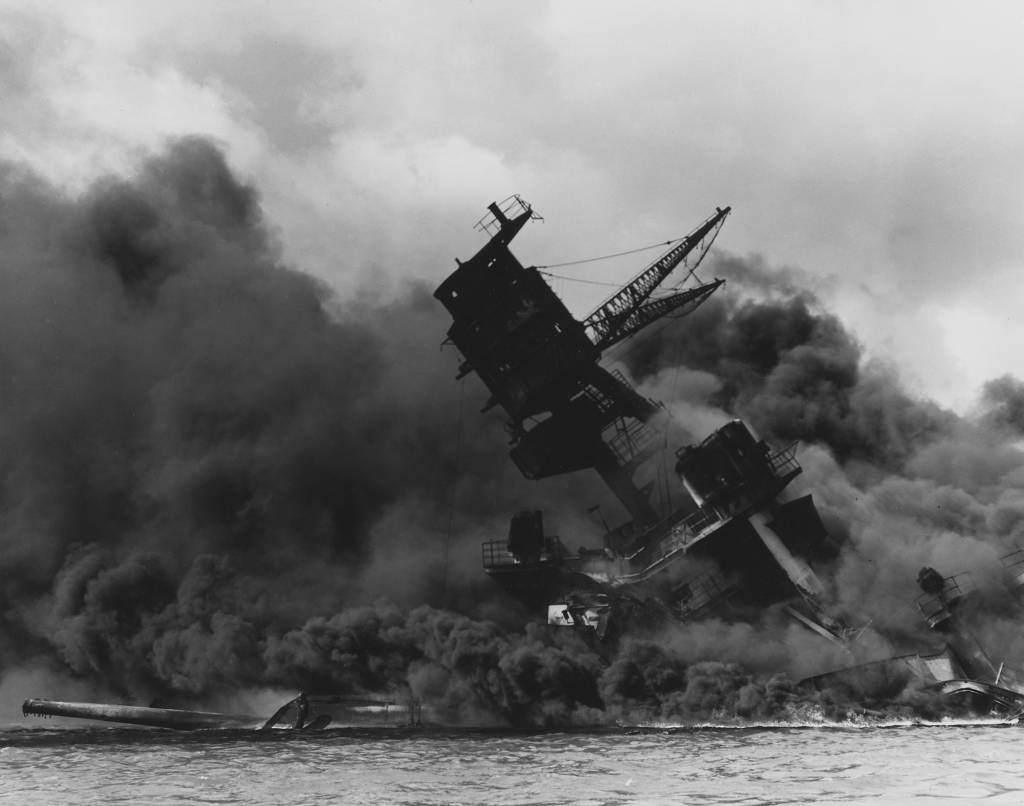
h) A harbor on Oahu west of Honolulu; location of a United States naval base that was attacked by the Japanese on 7 Dec 1941
3. New technologies made WWII a war of rapid movement because Hitler used his advanced technology, such as bomber planes, and fast moving tanks on the weaker, less developed nations around him. The less developed nations...
More World History
essays:
Racism in World War II.
... the enemy so easily despised, war hates and war crimes were inevitable. "Stereotypes preceded the atrocities, atrocities confirmed stereotypes" and made the Japanese more hated than the Nazis. The German atrocities ...
A Historiography on Women Workers in World War I
... 's positions by their gender; they had changed but not improved their working lives. In addition, Thom explores the experience of British urban women factory workers during the war. She challenges the notion that the widespread entrance of women into the ...
Apparent progress due to a 'wall' restricting where random change can take things.
... European) working class, Spencer for the (mostly English) British, or Wagner for the (mostly Prussian) Germans. The first world war came as quite a shock to ... , and is a functional notion. Aristotle divided causes up into four kinds - material (the stuff of which a thing is made), formal (its form or ...
Was There a Trojan War? This essay attempts to answer a question that is very controversial.
... Despite this, they are still uncertain as to why this war took place. German scientist Heinrich Schliemann was the first to present archaeological evidence ... tells of how the Greeks could not invade Troy by force because of its high strong walls. Also, there is evidence ...
This essay talks about wartime propaganda in world war I.
... flowed to the population and flooded these channels with pro-war material. The CPI's domestic division was composed of 19 sub ... German-Americans provided convenient local scapegoats. In Van Houten, New Mexico, an angry mob accused an immigrant miner of supporting Germany and forced ...
World War 1: German Guilt.
... a German Navy strong enough to impose neutrality on the British in any future European war; to ... was forced into war by being invaded. The French 'entered the war because they had no alternative18'. France's ...
Complete essay on World War I and its causes.
... the war and the start of Trench Warfare. Eventually the trenches were stretching 25,000 miles, from Switzerland to the North Sea. On the other hand, Germans were ...
The Causes of World War I.
... the war and the start of Trench Warfare. Eventually the trenches were stretching 25,000 miles, from Switzerland to the North Sea. On the other hand, Germans were ...