The use of antibiotics in animal feed is for the purpose of making the animals grow faster and more efficiently. Ranchers think that by placing antibiotics in the food of their animals that the antibiotics will kill off unwanted bacteria and allow more of the food consumed to be converted into meat. This has been going on since 1946 on the ranches around the world. In the US, the CDC has estimated that 50 million pounds of antibiotics are produced every year. About 40% of that is used on livestock, mostly for growth production. This means that around 80% of farm animals - mainly cattle, pigs, and poultry - receive antibiotics in their feed at least some of the time.
The Amount of antibiotic resistant pathogens has risen greatly in the last few decades. Many people believe that this is because of the unrestrained use of antibiotics on farm animals.
 46:365 - Antibacterial Pinks
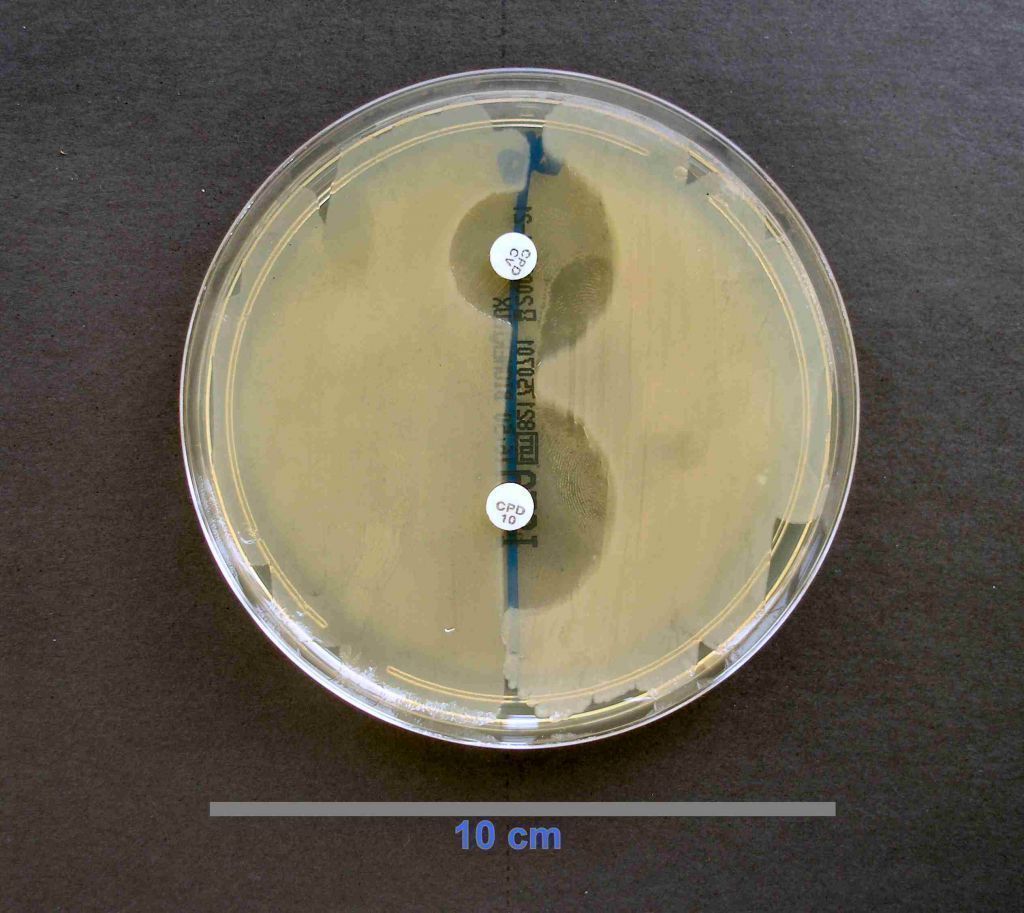 English: Culture of ESBL-producing Escherichia col...
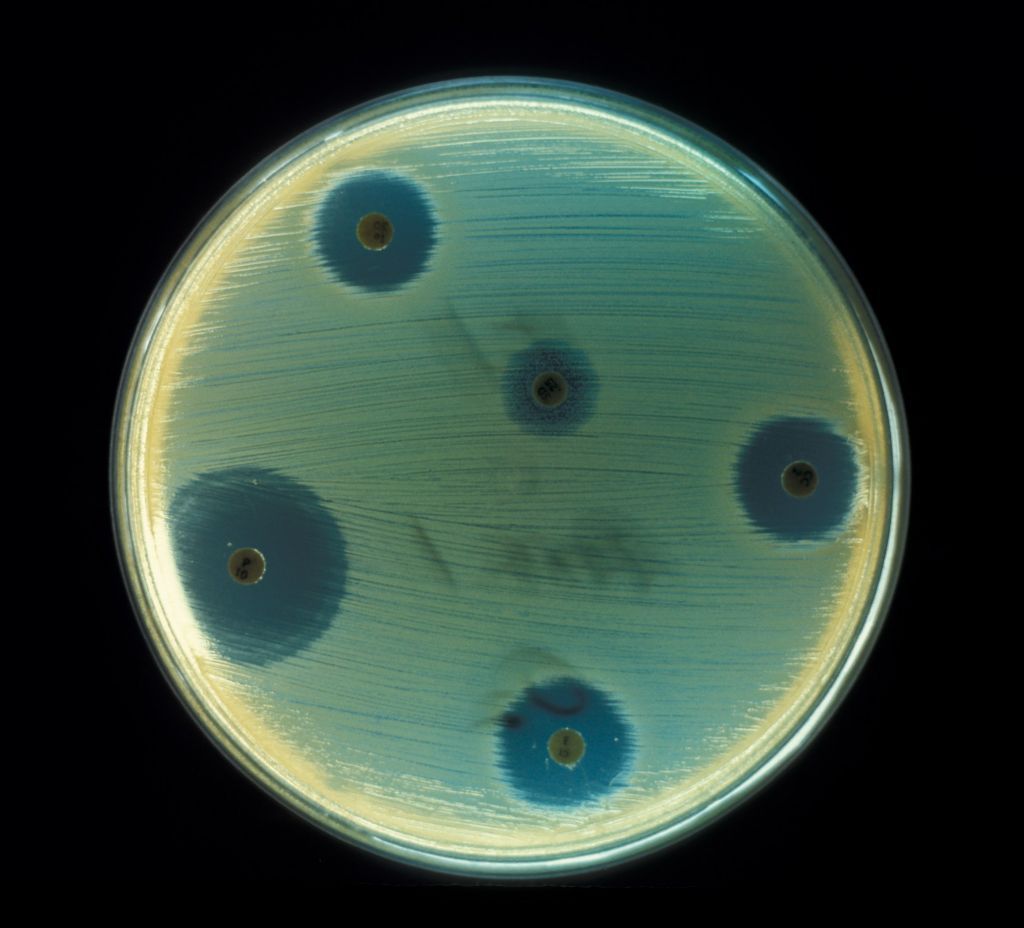 Staphylococcus aureus - Antibiotics Test plate
Increasing evidence is starting to prove them to be more and more right. The CDC also says that we need to take action now to decrease the use of antibiotics especially as growth promoters. One reason the CDC is concerned about antibiotic use in livestock is that foodborne illness has become an increasing problem in the U.S. and causes many more deaths than it did a decade ago.
However, according to a report from the Department of Agriculture, more research is needed before decisions can be made regarding further restriction on antibiotic use in animal food. USDA argues that subtherapeutic levels of antibiotics added to animal feed--less than 200 g per ton--prevent low-level infections, allow animals to use feed more efficiently, and prevent serious disease outbreaks. Ranchers use antibiotics to increase the efficiency of the animal's growth and also to kill the bacteria before it spreads throughout the herd.