AIDs in Africa
*5.4 million new AIDS infections in 1999, 4 million of them in Africa
*2.8 million dead of AIDS in 1999, 85 percent in Africa
*13.2 children orphaned by AIDS, 12.1 million in Africa
These are just some of the frightening statistics on the AIDS epidemic in Africa. This disease is sweeping across Africa like the plague in the Middle Ages. Many people in Africa refuse to believe or accept the fact that AIDS is real and is spreading rapidly in their nations and continent.
There are many roadblocks in the course to AIDS reduction in Africa, some including lack of cooperation from local governments. Frank Vogl of Transparency International says that until the late 1980s, "many African nations were in total denial. They thought we in the West were trying to fool them. They said, 'That's your problem. We've got other things to worry about.'"
Another roadblock is the lack of personnel and trained doctors and nurses to help with the thousands of cases that come in everyday.
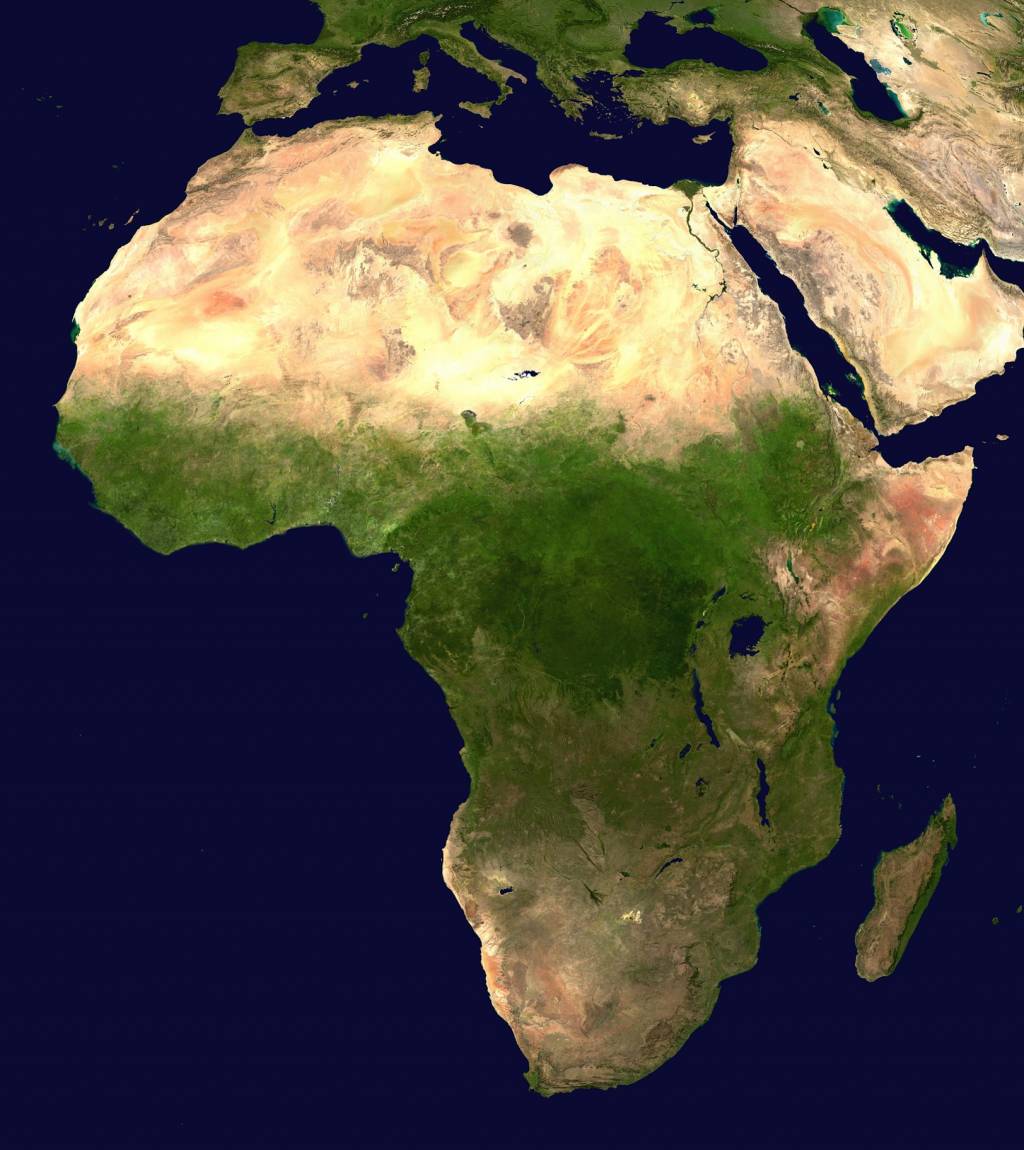 Satellite image of Africa, showing the ecological ...
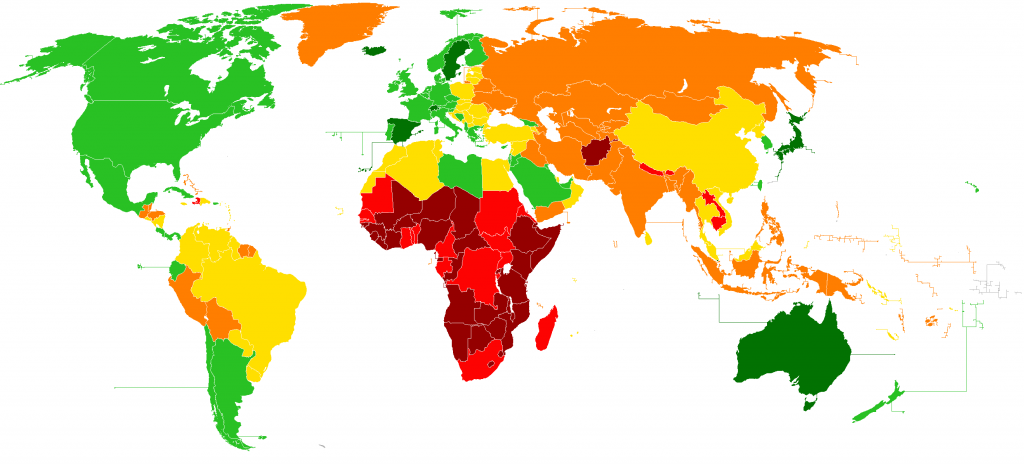 Life expectancy varies greatly from country to cou...
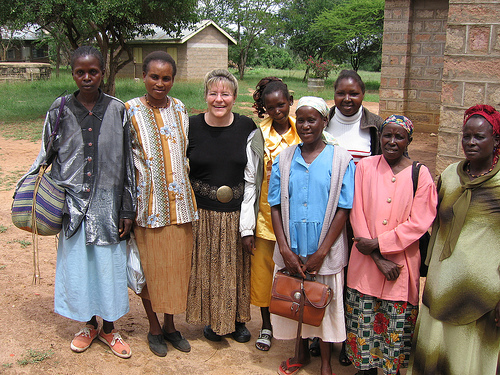 HIV/AIDS Support Group in Rural Kenya
Eleven people get infected every minute. Doctors and nurses die faster than they can be replaced and treatment ranges from inadequate to non-existent.
Poverty is something else that hinders Africa to overcome AIDS. Medical treatment is often too expensive for the people. This has always been a problem for many things, but now its turned into a deadly problem. Annual income is on average, $500. Living off 500 dollars a year makes it very difficult to get the treatment and help necessary to battle AIDS.
AIDS rate is higher among women than men, but many men are not being tested. 30% of young African women believe that if a man looks healthy then he could not have AIDS. In the male-dominated cultures of Africa, many women and girls...
Okay Job
You did good with stating your point but you need more evidence and facts about it.
3 out of 3 people found this comment useful.