Leadership characteristics can be generalized as either autocratic or democratic. The autocratic leader tends to lead by authority and uses coercive power. Oppositely, the democratic leader will delegate authority and use expert and referent power to influence employees. One difference between a mechanistic structure and an organic structure in an organization is the chain of command. Similarly, a difference between an autocratic and a democratic leader is how decisions are made. At the one end of the spectrum, the autocratic side, the manager makes a decision and announces it. This is similar to the mechanistic organizational structure where there is a strict hierarchy of authority and the decision-making is centralized. At the other end of the spectrum, the democratic side, the manager defines limits but lets the group make the decision. This is similar to the organic organizational structure where the decision-making tends to be informal and decentralized within a relaxed hierarchy.
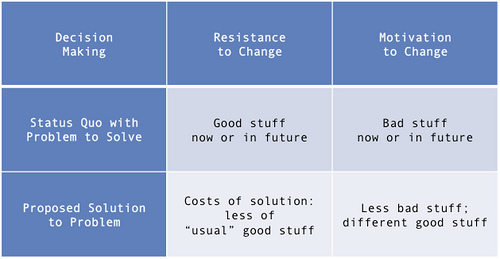 Decision Making Chart
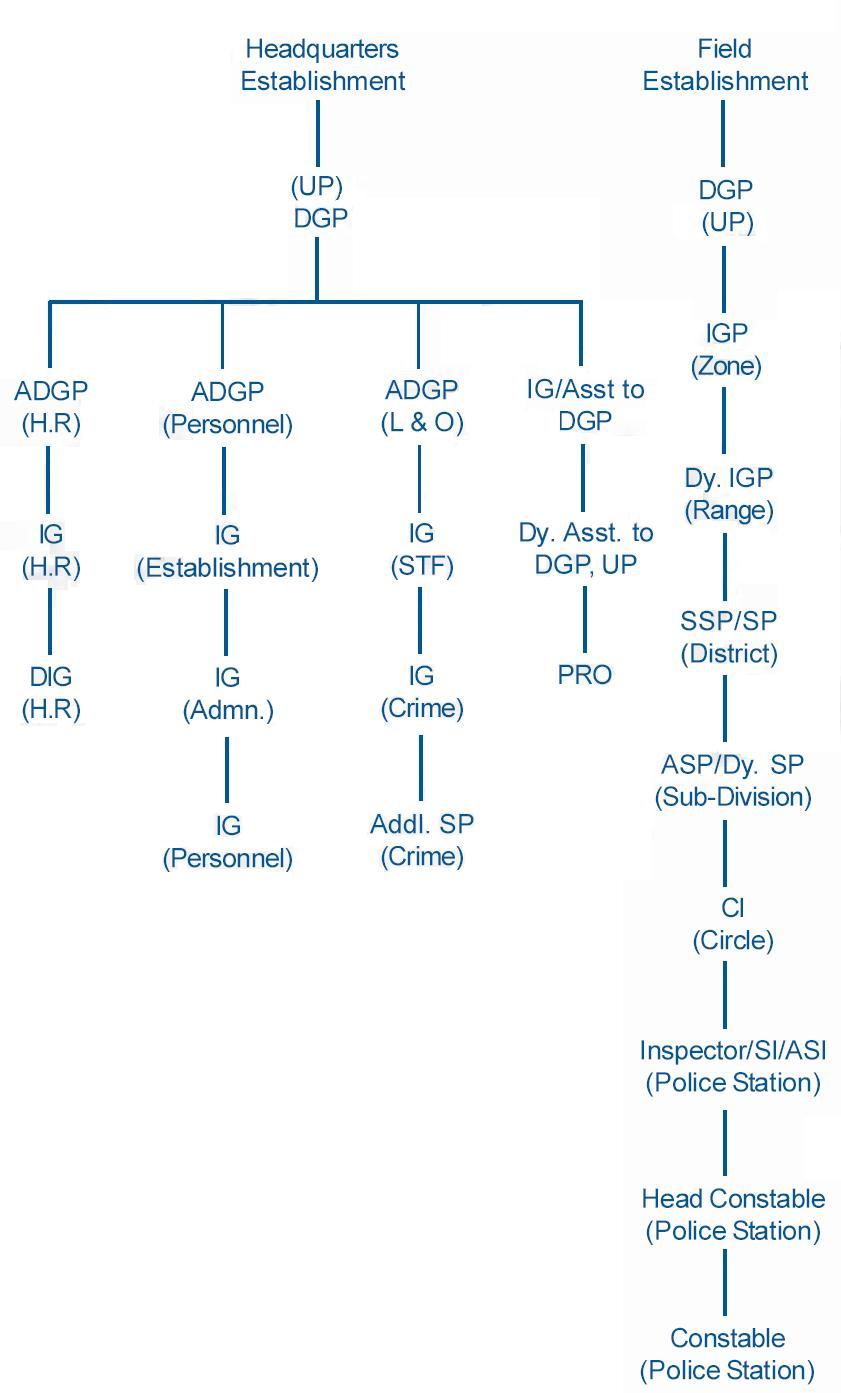 Organizational structure of UPP.
 organization structure of the CNT
After matching the autocratic style with a mechanistic structured organization and the democratic style with an organic structured organization, it is clear that an autocratic or a democratic leader may have difficulty functioning in the oppositely structured organization. Beginning with the autocratic leader working in an organic organization, one major challenge may be learning to work on a team. Organic organizations tend to have many teams and task forces. An autocratic leader is most comfortable with just making a decision and announcing it, however in a team structure they will most likely have to 'sell' their decision to the group in order to get any response or action. Learning how to communicate and work along with employees could be the largest adjustment an autocratic leader would have to make in an organically structured organization.
At first, it seems easier for a democratic leader to adjust to working in a mechanistic organization. However the problem they will have to face is employees expecting direction and not getting a clear decision. In this case, the productivity is certain to go down because no one is making the decision. It may be hard for a democratic leader to get used to having to make decisions and then have to impose them on their employees.
Even though a leader's personality may be more autocratic or more democratic, ultimately leaders must adjust their style depending on the structure of the organization in which they work. Perhaps the best leader is the one that is able to adjust their style most timely and effectively
 Map of autocracy historical
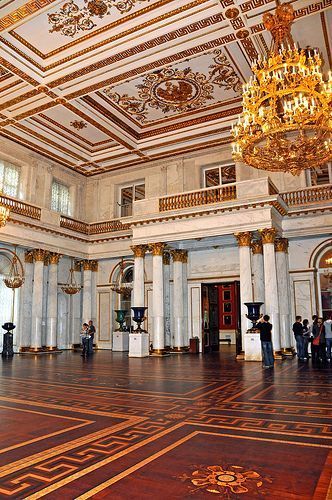 Russia_2519 - Start of the end of Russian autocrac...
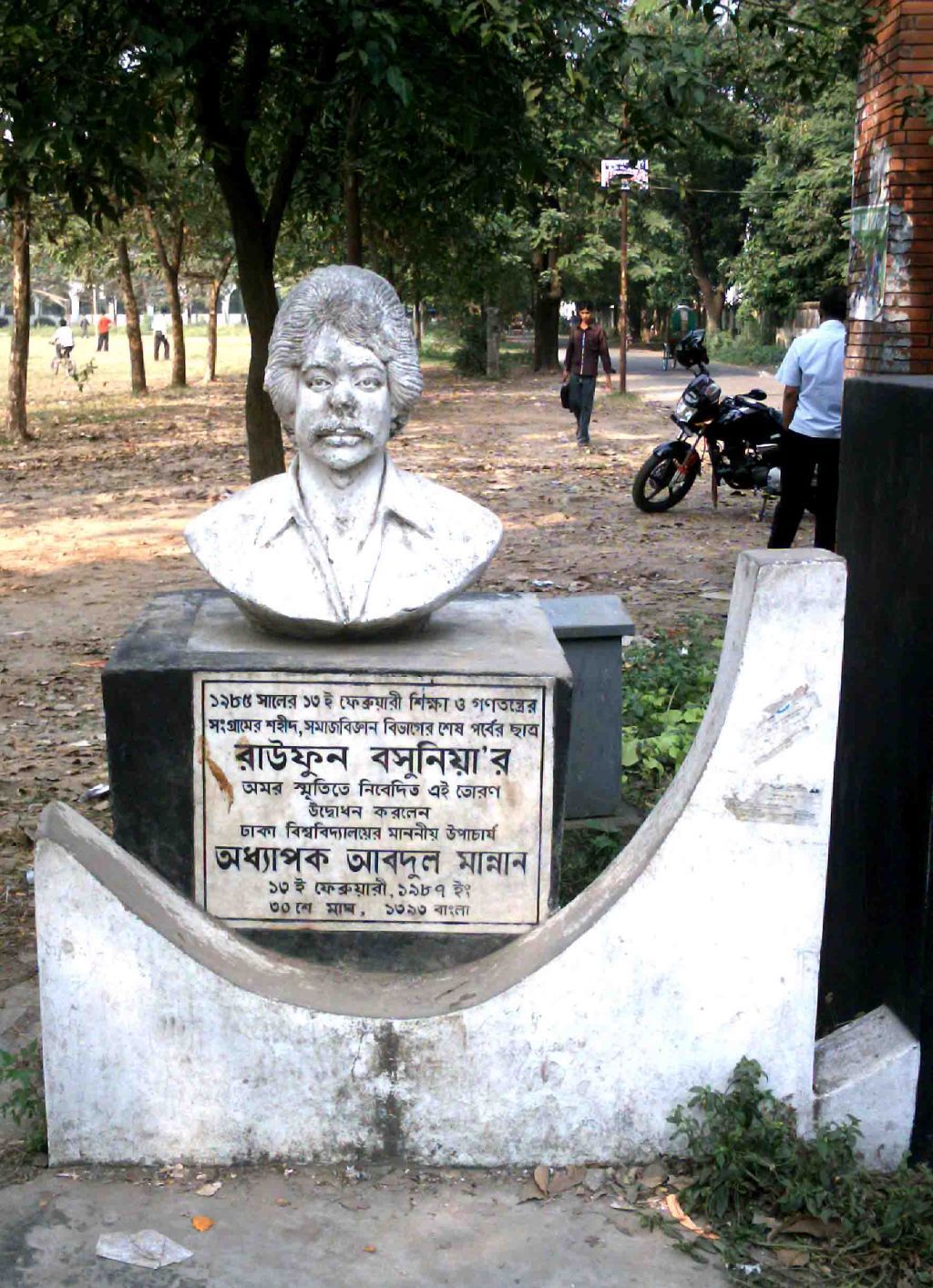 Statue of Raufun Basuniya. Famous Student leader o...