alan hamilton 1998
From Desktop to super computer
Today's desktop personal computers, or PCs, are many times more powerful than the huge, million-dollar business computers of the 1960s and 1970s. Most PCs can perform from 16 to 66 million operations per second, and some can even perform more than 100 million. These computers are used not only for household management and personal entertainment, but also for most of the automated tasks required by small businesses, including word processing, generating mailing lists, tracking inventory, and calculating accounting information.
Minicomputers are fast computers that have greater data manipulating capabilities than personal computers and can be used simultaneously by many people. These machines are primarily used by larger businesses to handle extensive accounting, billing, and inventory records.
Mainframes are large, extremely fast, multi-user computers that often contain complex arrays of processors, each designed to perform a specific function. Because they can handle huge databases, can simultaneously accommodate scores of users, and can perform complex mathematical operations, they are the mainstay of industry, research, and university computing centers.
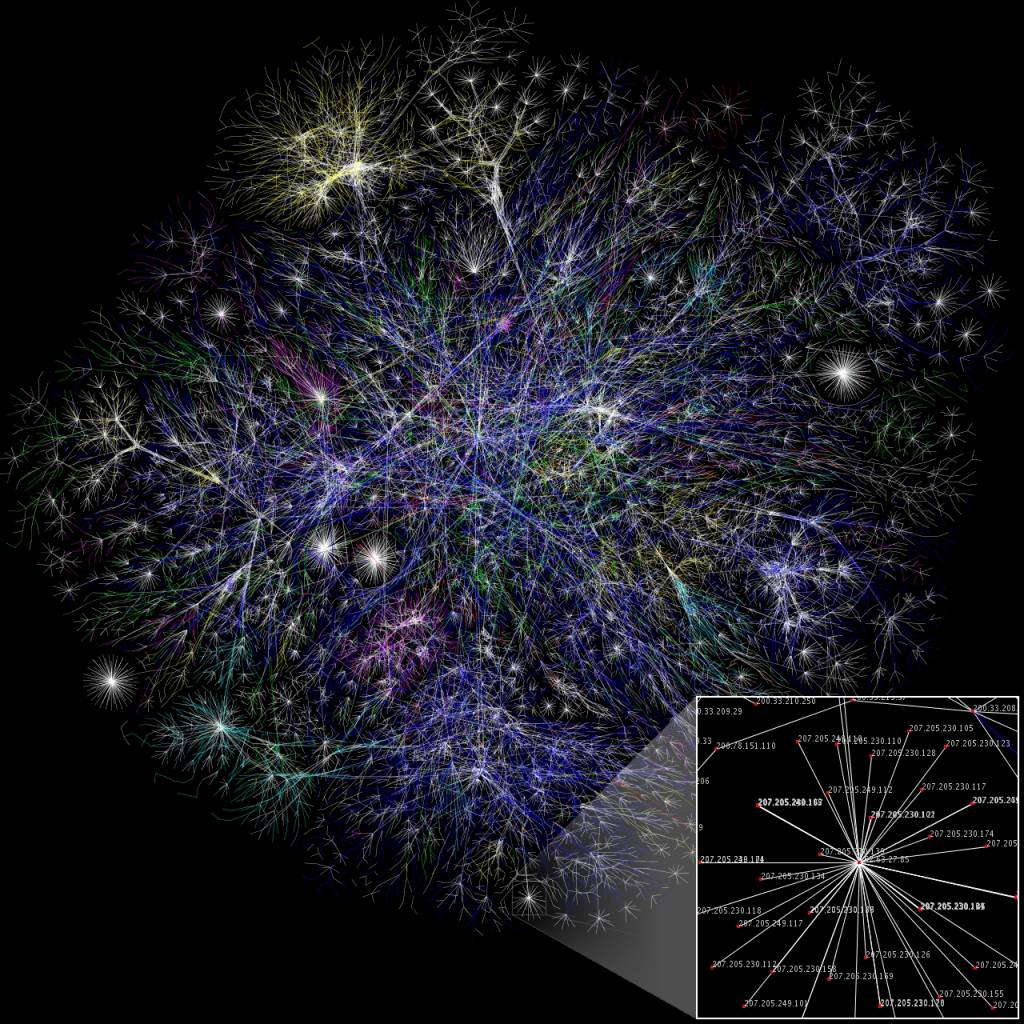 This image was selected as a picture of the week o...
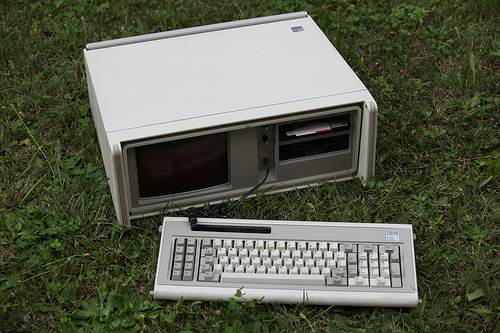 IBM Portable Personal Computer :: Retrocomputing o...
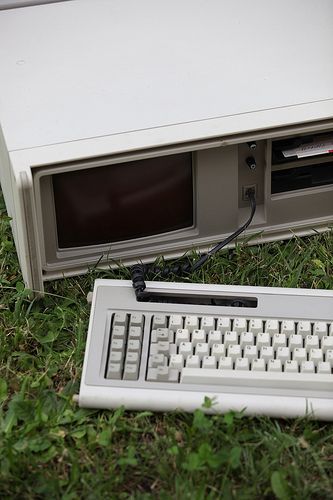 IBM Portable Personal Computer :: Retrocomputing o...
The speed and power of supercomputers, the fastest class of computer, are almost beyond human comprehension, and their capabilities are continually being improved. The most sophisticated of these machines can perform nearly 32 billion calculations per second, can store a billion characters in memory at one time, and can do in one hour what a desktop computer would take 40 years to do. Supercomputers attain these speeds through the use of several advanced engineering techniques. For example, critical circuitry is supercooled to nearly absolute zero so that electrons can move at the speed of light, and many processors are linked in such a way that they can all work on a single problem simultaneously. Because these computers can cost millions of dollars, they are used...