Biblical refernces in the book, "Cry, the Beloved Country" by Alan Paton.
Cry, the Beloved Country
The book "Cry, the Beloved Country" by Alan Paton is a book about agitation and turmoil of both whites and blacks over the white segregation policy called apartheid. The book describes how understanding between whites and blacks can end mutual fear and aggresion, and bring reform and hope to a small community of Ndotcheni as well as to South Africa as a whole. The language of the book reflects the Bible; furthermore, several characters and episodes are reminiscent of stories from the New Testament and teachings of Christ. Thus, Alan Paton, as a reformer and the author of "Cry, the Beloved Country", gives the people of South Africa a new, modern Bible, where he, like Christ, teaches to "love thy brother as yourself" in order to help whites and blacks overcome the fear and misunderstanding of each other.
The language of the book from the very beginning reveals its biblical nature. "The great valley of Umzimkulu is still in darkness, but the light will come there. Ndotcheni is still in darkness, but the light will come there also." The style includes symbols such as light and darkness, short clauses connected by "and" or "but", and repetition. This style is used to represent speech or thoughts "translated" from Zulu.
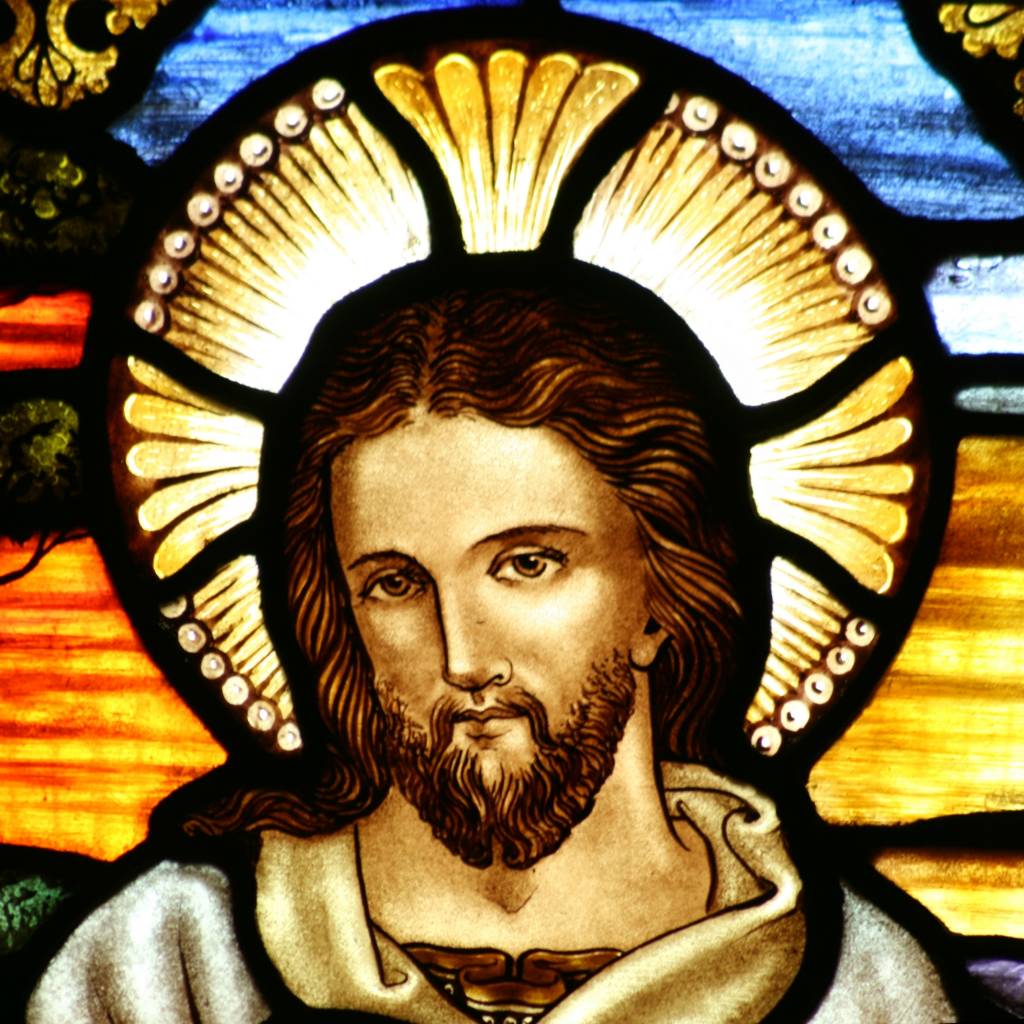
Jesus Christ is symbolized by the figure of Arthur Jarvis. He is a white reformer who fights for rights of blacks. Like Christ, he is very altruistic and wants to pursue his aims at all costs. His friend, Harrison, says: "Here [Arthur Jarvis] was, day to day, on a kind of mission." (173) Arthur Jarvis and his wife Mary "agree that it's more important to speak the truth than to make money." (172) Arthur Jarvis is killed in his house by Absalom, a black youth who gets entangled...
Reviews of: "Biblical refernces in the book, "Cry, the Beloved Country" by Alan Paton."
:
More Christianity
essays:
Was Paul a male chauvinist? Cite particular passages in his letters to support your view. New Testament.
... the New Testament. The time period of his letters and writings were around the turn of the first century. Most of the civilized world was expanding and society was being influenced by different cultures intermingling during the travels. Paul's teaching ...
Who is responsible for the authorship of the New Testament Writings?
... during the Apostolic Age and is one of the last New Testament writings. In The New Oxford Annotated Bible, the authorship ... be the "last testament" of the apostle who had authorship of it. Correct teaching is emphasized, showing that is a major concern of the author ...
Discuss the Historical and Social Context into which the Book of Revelation was written
... and the Christians - Volume One, Boston: University Press of America, 1989. Martin, Ralph.P. and Davids, Peter.H. Dictionary of the Later New Testament and ...
Analysis of The Parable of the Dishonest Steward. Asked to focus on the idea of a parable and analyze this specific parable in the New Testament.
... to the New Testament and to Christianity. Much of what is known about the life and teachings of Jesus is written in the Bible's four Gospel books-Matthew, Mark, John, and Luke. Each of the Gospels ...
Introduction to the New Testament
... have the New Testament like we have today. Secondly, without Paul the distinctive teachings of Christianity may never have developed. Paul preached about the coming of God's kingdom. He also taught "the need for faith in Christ and ... first of all declared by God; "You are my Son, the Beloved" (Mark ...
Describe and explain how Christian beliefs have influenced Desmond Tutu's fight against apartheid in South Africa. Using the Bible
... against apartheid in South Africa. Christian beliefs were based upon biblical teachings and these would have influenced Desmond Tutu's teachings against apartheid because he was a priest, in fact he became the archbishop in the Sohweto ...
The Ressurection of Jesus Christ
... 52). The New Testament accounts were written by men who were eyewitnesses or related the story from eyewitness accounts. Chronologically speaking, the Gospels were all written while people, other than Christians, who had been eyewitnesses to the life of Christ were ...
The Christian Church and crimes against Paganism
... to the Christian bible, the old testament, God giveth and God taketh away. Yet in the new testament God gives and the devil takes away. (3) Which is a contradiction of terms ... rituals and they do not know about pagans so they fear them. The reason people join Christianity over paganism is two fold. One ...
Wow
Very smooth. Very long. Excelent writing. Keep it up
5 out of 5 people found this comment useful.