The Birth of Christianity
Until the birth of Jesus Christ, for as far back as man can recall, there has been one undying religion, Judaism. This religion was based on the Hebrew Bible and the people were believed to be the descendants of Abraham. It was believed that Jesus was born of a virgin mother; he was the self-proclaimed Son of God. This declaration was considered blasphemy, punishable by death. And, as was customary in that era, Jesus was crucified.
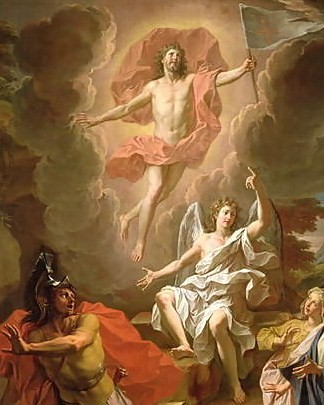
According to the gospel accounts, after death, a wealthy Jewish disciple placed the body in a guarded tomb. Three days later, some women went to visit the body only to discover an empty tomb. The gospels go on to describe numerous reports of appearances of the risen Christ to various disciples.
In about 50 to 60 CE, Saul, a Pharisee tentmaker, while searching for followers of Jesus to imprison, encountered a light brighter than the sun and heard Jesus' voice appointing him to do the opposite. Saul was transformed and baptized under a new name, Paul. Through Paul the word of Christianity began to spread.
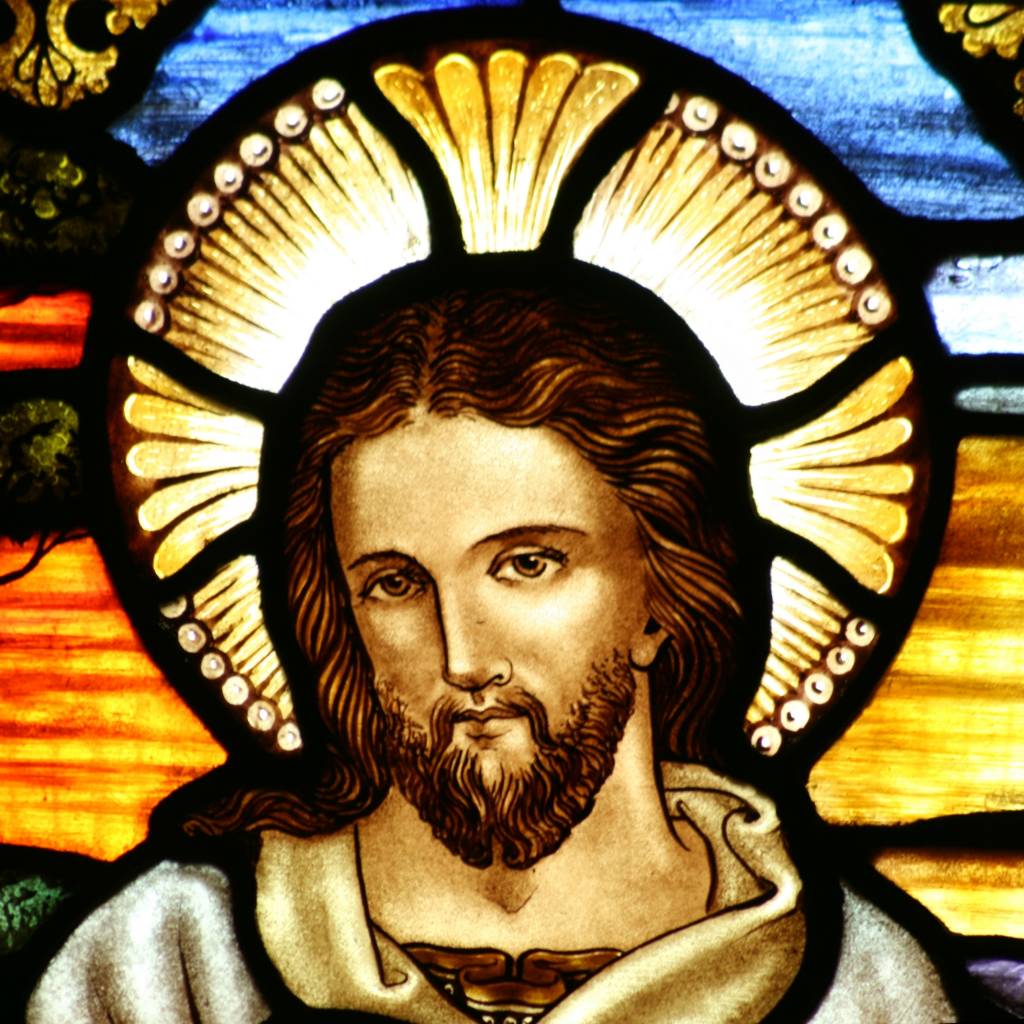
Through the word of the gospel, stories were revealed about the miraculous work and the teachings of Jesus. It was these amazing chronicles that attracted followers and made the new Christian religion so appealing.
There were many accounts of healing by Jesus laying hands on the sick. "After he had come down from the hill he was followed by a great crowd. And now a leper approached him, bowed low, and said, 'Sir, if only you will, you can cleanse me.' Jesus stretched out his hand, touched him, and said, 'Indeed I will; be clean again.' And his leprosy was cured immediately." (Matthew 8)
In addition to the healing power, Jesus was tender and loving. He wanted everyone to...
Reviews of: "The Birth of Christianity"
:
This is not the story of the birth of Christianity. This is a paraphrase of the Gospels. What happened to all the information about the development of the church?
More Christianity
essays:
The Roots of Christianity & Judaism
... the day of Christ's resurrection, is observed as a time of rest and worship. The resurrection is more particularly commemorated at Easter, a festival in the early spring. Another major Christian festival is Christmas, which commemorates the birth of Jesus ...
Christian Science Church--The First Church of Christian Science--discusses various aspects of religion and faith.
... For the next three years, she searched the Bible for the laws of God applied to healing, or what Jeffery referred to as "the science of Christ." She began to protest against the idea ...
The Rise of Christianity.
... Isis, the Egyptian god of fertility. The Virgin Mary giving birth to a deity is parallel to myths in ancient Babylon and Greek mythology. The symbol of Jesus as a fish resembles the Pagan fish-god Dagon ...
Jesus and the beginning of Christianity
... divine son of God after he resurrected from the dead. If there wasn't any Christianity, the Roman emperor Constantine might have never seen the Christian symbol that he proclaimed he saw and would have never won the battle. Jesus was ...
Theology defining Christianity, disproving evolution, proving that God created the universe, giving reasons why Jesus was an actual human being.
... modern day calendars are based off of Jesus Christ, A.D. and B.C. The birth of Jesus was ... statement? The story of Jesus cant be a myth because it wasn't around long enough. It is also recorded in other historical documents besides the Bible. So ...
To what extent is the Resurrection of Christ central to the Christian faith? (Essay looking at most central aspects of Christian faith to determine the most central)
... argue the case for the empty tomb. Opponents to Christianity at the time could surely have produced a body to silence the disciples had Jesus' Resurrection been purely spiritual. The fact that they did not seems to corroborate the Gospel idea ...
What is the function of the Sign at Cana in John 2:1-12?
... as the dialog above with Mary addressing the issue and Jesus' reply to her. In the synoptic gospels (Matthew, Mark, and Luke) they account for the birth of Jesus and ...
Why I Believe the Bible is the Word of God
... that God was to be with the Messiah and rule through him. The New Testament would declare their fulfilment in the birth, death and resurrection of Jesus Christ. The things prophesied in the Bible have ...
Isn't it interesting
An excellant essay! I love the fact that Christianity thrives even during persecution, as in the times of the apostles. Also, you touched on the point of the resurrection but failed to mention that without it, Christianity is the same as any other religion (centered around a dead prophet). Just something to consider.
1 out of 1 people found this comment useful.