Industrialization in the 18th Century was an epoch in the history of Europe, in that it irrevocably changed European society in a multitude of ways. One of the many developments in European life was a shift that occurred in relation to consumer practices particularly among the middle class. Nowhere is this paradigm shift more evident than among the English middle class from the late 18th to mid 19th centuries.
Possibly the first and most comprehensive study of the 'consumer revolution of 18th century England' was outlined in Neil McKendrick's contribution to The Birth of a Consumer Society (McKendrick, Brewer and Plumb, 1982). In his analysis, McKendrick argues that the 18th century 'consumer revolution' rivalled the Neolithic revolution in farming, in its impact on the entirety of the population (1982, 9). However a key problem with this aspect of McKendrick's thesis is that in claiming all stratum of English society to be participants in this 'consumer boom', he disregards two important factors.
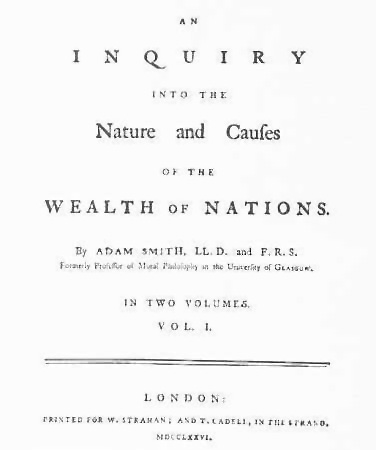 First page from Wealth of Nations, 1776 London edi...
 Mandeville Lakefront joggers
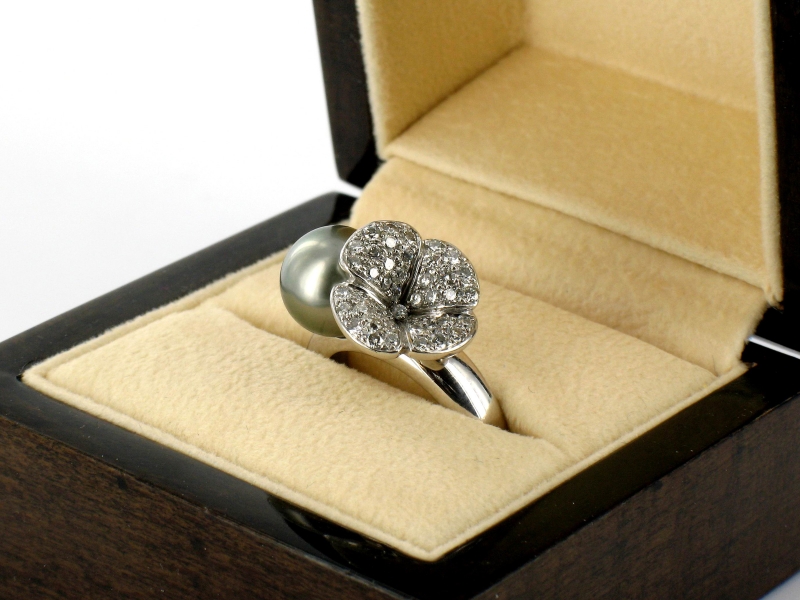 Jewellery and other luxury goods are used for cons...
The first of these being that the English aristocracy had long been engaged in extensive consumption. Dating back to the court of Elizabeth I, a proclivity for the accumulation of goods was evidenced by the competitive consumption among the nobility (Frye 1993, 94). Furthermore conspicuous consumption was utilised by the aristocracy as a method by which to preserve their elevated social status, thus explaining the existence of 16th century sumptuary laws (Jones 1993, 214-15). Beyond an omission of the ruling-class's pre-existing propensity to consume, McKendrick in his assessment of the widespread social participation in this 'consumer boom', also fails to acknowledge the systemic poverty endured by the working class and how this poverty may have in fact hampered the ability of the working class to join in this newfound consumer mentality. Friedreich Engels in his observations on The...
Birth of Middle Class Consumer
A really impressive essay - extremely well written and researched. Well structured with an exemplary use of references. Hard to fault! Well done.
0 out of 1 people found this comment useful.