For many years the entertainment industry has been heavily criticized, particularly by groups representing various minorities, for the way ethnic groups have been portrayed in films and television programs. Although considerable progress has been made in the fight against unfair and unflattering portrayals based on false information, nevertheless the mass media is often still guilty of insensitivity in this area. When considering shows on T.V, audiences from minority ethnic groups don't like the negative stereotyping and simplistic portrayal of their communities on television. It all too often seems characters from minority ethnic groups are included in programmes because it is expected they should be, resulting in characters that are ill-drawn and unimportant. In the news it also seems that people originating from ethnic minorities appear to get portrayed as violent, and involved in gangs far more than white people, so the public get an unfair negative opinion of minority groups in the UK.
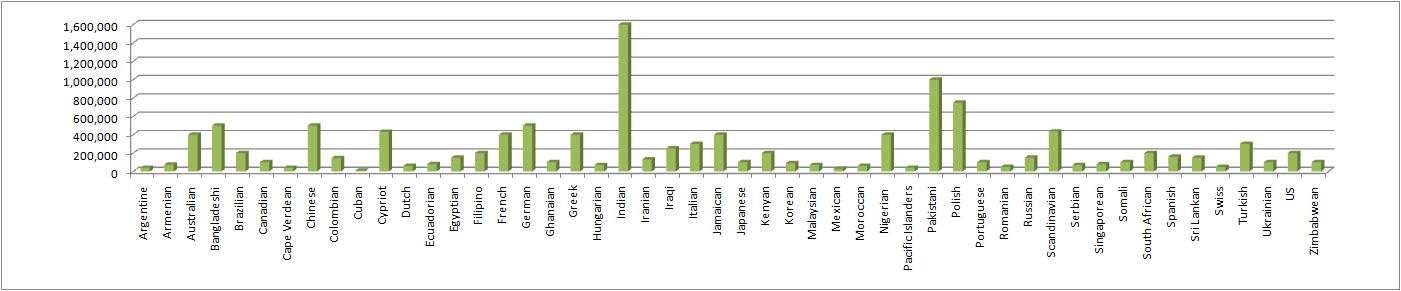 The main UK ethnic minority groups, based on figur...
 English: Merseyside Third Sector Technology Centre...
 English: Rosehill Quarry recreation area This part...
In television shows, the way characters played by those from ethnic minorities never seems to truly represents them. A report carried out by the Broadcasting Standards Commission said viewers felt ethnic groups were represented by two-dimensional characters, and were often negatively stereotyped. People interviewed for the report felt minority characters were included just to make a point, rather than as an integral part of the plot - and did not represent real life for black and Asian people in the UK. One interviewee pointed at former EastEnders' characters Gita and Sanjay, saying that they "are Asians, but they don't show any religious ceremonies or relatives and stuff like that. What's the point in having ethnic minorities and not portray them in an honest way?" The report said: "The ethnic minority wants itself represented on television because it wants mainstream white Britain to understand the diversity of society...