Although the Civil War ended slavery in the US as a legal institution, it left black people in almost the same social position as they occupied before the war; the few new rights they had were restricted, taxed or both. Social interaction between whites and blacks was restricted until the 1950s in Florida. During the 1860s, after the war, Floridians wanted to restrict civil rights for blacks. In order to do this, Florida's all-white 1865 constitutional convention devised the "black codes". Although the delegation had to follow President Johnson's guidelines, they tried to salvage as much of their antebellum customs as possible. Florida ended up with a comprehensive code regulating every part of black's lives. The members of this convention also urged the first new state legislature to preserve as many of the features of slavery as was possible. In the end, "freedmen" were relegated to the same status as the "free negro' before the war.
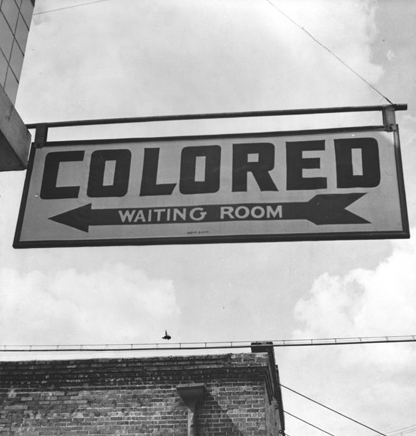 Sign for "colored" waiting room at a Greyhound bus...
 Florida Liner
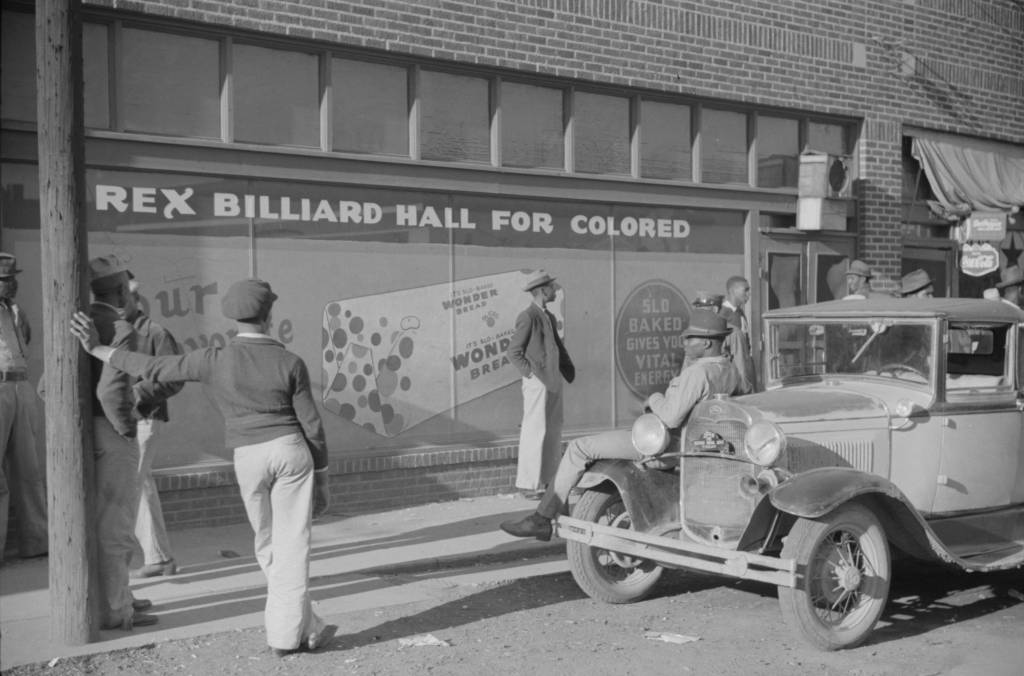 A billiard hall for African Americans in Memphis, ...
Seeing trouble on the horizon, Florida provincial governor William Marvin warned the Florida convention that unless they accepted the concept of black freedom then Congress was likely to interfere. Florida's convention didn't listen. The code established blacks as a separate, inferior class. All of their most basic rights were restricted, punishments for every crime were blow out of proportion, and blacks were punished for being lazy, idle or assembling in public. For the first time a state statute defined a Negro. A Negro was now anyone with â  Negro blood. Although this left much to interpretation, it allowed the passing of an intermarriage ban. Even the tax and contract laws were discriminatory. Tax delinquency was punishable with a years forced labor. Blacks were punished harshly for breaking contracts and contracts were always made in the white employers favor. Although the state attorney general found...
Good job
This essay does a very good job of summarizing the history of the civil wars and African Americans. The essay is well researched, well organized, and written with considerable style and flair.
8 out of 8 people found this comment useful.