The Black Loyalists
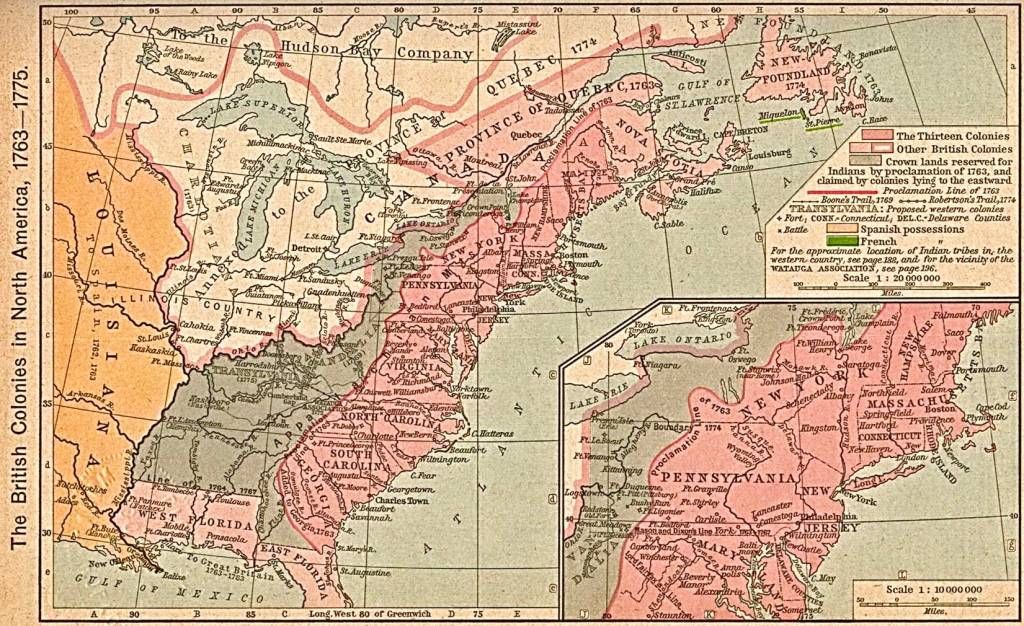
The black loyalists that came to Nova Scotia from the thirteen colonies during the American Revolution were looking for a change in life style and a completely new way of life that was promised to them by the British government, if they took their side during the war, but this new way of life was completely different then what they expected. These black loyalists consisted of both slaved and freed black people. From their arrival in their new home of Nova Scotia, the trials and tribulations of everyday life, to their departure for Sierra Leone, the black loyalists endured many harsh times in their daily lives that brought back memories or their former home in the Thirteen colonies.
At the conclusion of the American Revolution, those who wanted to stay loyal to Britain were given the chance to go elsewhere in the Empire. Many of the loyalists that took advantage of this opportunity were black slaves or former black militiamen from the southern Thirteen colonies.
“Judging slavery to be a major weakness of the rebellious southern colonies, the British offered emancipation to all slaves who, during the revolution, volunteered to serve with their forces.” These slaves that joined the British were given their freedom from their masters. The British hoped to get thousands of slaves to join their side and by doing so, it would strangle the local economies. Most of the blacks that did accept this deal were from the southern states and they saw this as an opportunity to free themselves from the clutches of their masters. Many slaves did not accept this proposal as hoped by the British government.
Since slaves were valuable property at the time, the ones that did not accept this deal to join the British side were sold by British Officers to the West Indies. The Officers did this to line their own pockets with profits.
The black slaves that accepted the deal were sent...
More Central & Southamerican History
essays:
Rastafarianism: Beleifs and Way of Life
... rebellion of the system, and the proper way to wear hair. The expression "I&I" is said to express that no person is privileged above another in the basic truth of life. All ...
Compare and contrast the Aztec civilization and the Mayan civilization.
... roads, and even build aqueduct systems to bring water from the mainland. As the Aztec empire was growing, their cultural ways of life were ... urban development occurred in the lowlands in the central regions of southern Guatemala. This region is covered by tropical rain forest; the ...
The History and Future of the Mexican American Culture.
... life is slow-paced and the population consists of mostly farmers has little truth. Petroleum and tourism have come to dominate the economy, and industrialization is increasing in many parts of the country. The migration from Mexico to the United States ...
Impact of Slavery in Brazil and Haiti
... slave revolution, but from a colonial succession enacted by King Pedro in order to free Brazil from the Portuguese monarchial government and create their own. In this case Haiti wins, having a greater political impact by slavery of the way the ...
The Iran-Contra Affair and its Implications on the US/Nicaraguan Relationship
... try and bring about a better government and way of life to ultimately end up with lifestyles worse than before the bloody war. When the United States began ...
"Folk" Resistance in the Nineteenth Century
... their way of life in order to preserve what beliefs they held. Much of their loyalty was placed in caudillos, who were leaders who supported keeping the folk culture alive, and allowing ...
Amerindian Resistance.
... Europeans and even attempted war against them to preserve their way of life. We can find many examples of this ... to take a rebellious stance, in which they planted tricks and traps for the Europeans. In 1598 Mancio Sierra de Leguizamo wrote in his will that "These natives have ...
A Southern perspective on the civil war & why the North won
... our way of life. We also had better cotton production by (24:1). Also the sheer size of the confederacy posed a daunting obstacle for the norths military forces. However the placement of Southern rivers favoured the North, and most ... stopped. "Slavery made the nation look bad in the eyes of God and the ...