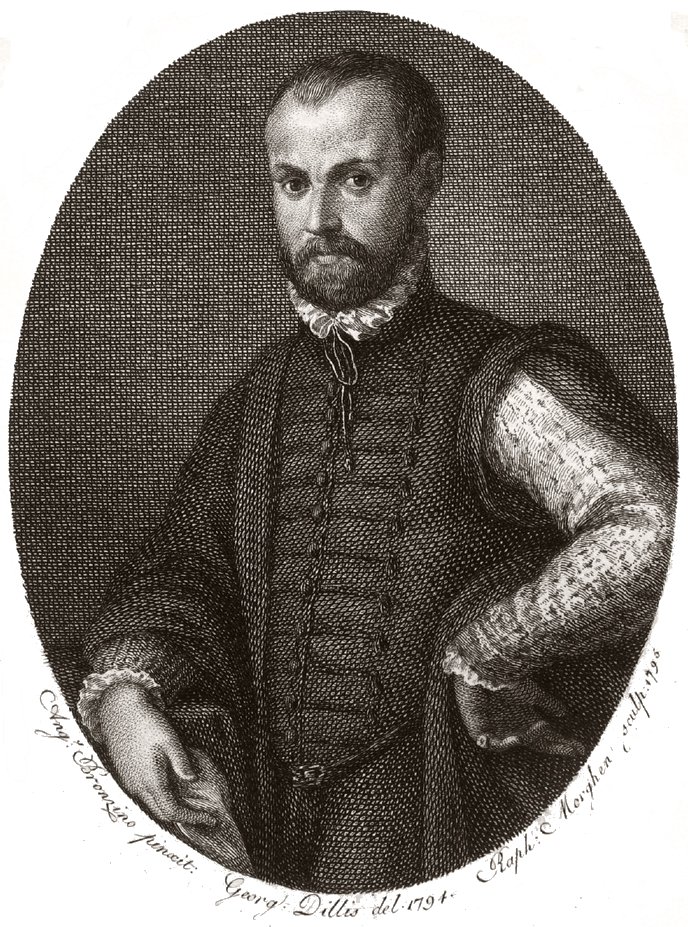
A book review of 'The Prince' by Niccolo` Machiavelli, explaining, in particular, what the book reveals about Rule Of Law.
'This Barbarian tyranny stinks in all nostrils' – one of the last lines of 'The Prince', a book written by Niccolo` Machiavelli in 1513, which was primarily intended to serve as a guide to Lorenzo Di Medici's Government to permit Italy to be free of foreign occupation and invasions. Lorenzo did not accept to abide with this guide and this book was later (1959) listed on the Pope's Index of Prohibited Books. Today, 'The Prince', remains one of the most important works in Western political thought and had also been a point of reference for studies and suggestions for great world leaders such as: Cromwell, Frederick the Great, Louis the 14th, Napolean, Bismark and Kennedy.
Much of the text is related to '...how such states (Princedoms) are to be governed and maintained'. In it, Machiavelli analysis's the various types of monarchies, analysis's of the different types of states, how they may be obtained, and how they should be ruled. He also describes how power is seized and retained, how to rule the military forces and, the essence of his work, how a prince should act in all circumstances in order to accomplish these tasks. Machiavelli tried to construct a society that decreases exploitation and increases the well being of the populace. People are always ready to change masters since people only care about their personal conveniences. The noble people, or barons, are those who can easily give power to the Prince, but they can easily chop off his head since they have a share of his power. So the least threatening people are the common people, and a ruler should have faith in his citizenry since upon finding their land threatened by external forces, the Prince can rely on their capabilities. Therefore, it is important that a ruler is able...
More Political Theory
essays:
"The Prince" by Niccolo Machiavelli
The notorious Niccolo Machiavelli guides us on how to be a successful ruler in his novel, The Prince. Machiavelli explains the best ways for a prince or any ruler to rule a territory, prosper the society, and maintain their position. The book was intentionally just for Prince Lorenzo The ...
"The Prince" by Niccolo Machiavelli.
Niccolo Machiavelli's highly controversial book The Prince succeeds in allowing several oppositions to emerge. Among these oppositions include fortuna and virtu. These two terms increase the ambiguity of Machiavelli's work. By citing historical cases, this paper will define these two terms, discuss ...
The Qualities of a Leader as discussed in the essays "Civil Disobedience" by Henry David Thoreau and "The Qualities of the Prince" by Niccolo Machiavelli
... that they could respect. He believed that people should have the right to refuse allegiance to the government when its tyranny is unendurable. Without passion, a leader will not make necessary, courageous and difficult decisions, and carry them into action. Leadership ...
Niccolo Machiavelli.
Niccolo Machiavelli was born on May 3, 1469, and died in 1527. He was a man who lived his life for politics and patriotism. He was however associated with corrupt, totalitarian government. He wrote two books called The Prince (1513) and The Discourses (1543), which drew light to his most ...
Examine the relationship between the concepts of Fortuna and virtù in Machiavelli's "The Prince".
One of the most controversial figures in political theory history, Niccolo Machiavellis ideas and theories have stirred a tide of controversy and debate amongst scholars, critics and political theorists. His most famous book, The Prince, was revolutionary in that it presented a vision of ...
Thomas Moore's "Utopia" and Machiavelli's "The prince".
Utopia and the Prince Within the course of this report, I will elaborate on two books: Utopia and the Prince, and analyze which one of them is superior in its ideas. In Thomas Moore's Utopia, he states an ideal society different from his own life. He explores the world called "Utopia" and describes ...
The Life of Niccolo Machiavelli
The Life of Niccolo MachiavelliNiccolo Machiavelli was born to Bernado di Niccolo di Buoninsegan and Bartolomea de Nelli in Florence on May 3, 1469. He was the third child, preceded by two sisters, Primavera and Margherita. Totto, Niccolos younger brother was born in 1475. The family lived off ...
Essay on Machiavelli's, The Prince: How it is better to be a leader that is feared and not hated, rather than loved.
Since the beginning of civilization man has continually been faced with the complexity of creating a peaceful and unified existence for all, without resistance or violence. People have been trying to develop a system of how to rule effectively while acting ethically and morally to avoid chaos and ...