Briefing Paper on endogenous growth theory in connection of forth-coming meeting with CBI and a Treasury team.
Prepared for: Mrs Smith (The Boss)Date:31 Oct 2003
Prepared by: Ann Smith
Endogenous growth theory is an extension from one basic neoclassical growth model, which was first formalised by Robert Solow in 1950's. There are a number of basic assumptions underlying the neoclassical growth model.
The first one is that the productive capacity of the economy can be adequately characterised by a constant return to scale production function with diminishing returns to capital and labour. The second assumption is that firms are price takers in a competitive market place. In other words, no individual firms are assumed to hold no market power. The last assumption is that technological change is entirely exogenous, it is independent of the actions of the consumers and producers and it is available to all countries at no cost.
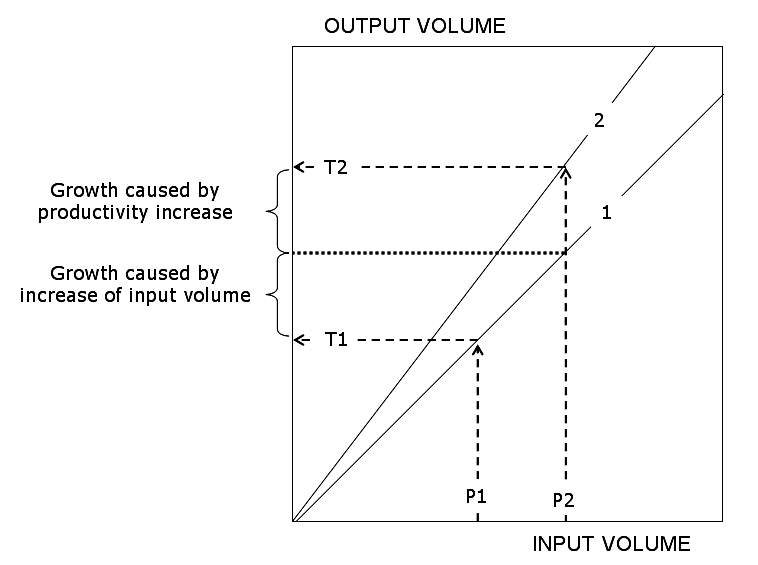
There are few implications of the neoclassical model of growth. The first major problem is that sustained increases in per capita income can be supported only by sustained increases in total factor productivity. In Solow's model, output per worker can rise only if the ratio of capital per worker increases or total factor productivity increases. Since this model assumes diminishing returns to capital, there is a limit to how much capital accumulation can add to output per capita. Thus, the only way to increase output per worker in the long run is to have sustained productivity growth. This is a major weakness of the neoclassical growth model, since long-run growth is exogenous, it can be determined by an element that is entirely outside of the model.
A key feature of the endogenous growth theory, which was formed by Paul Romer and Robert Lucas in the late 1980's, unlike the neoclassical...
More Economics
essays:
Research paper on the wage gap in the United states, and class struggles from the underclass with sources included.
... CEO made just 107 times the pay of the average production worker." (Executive Excess 2005 p1) Lockheed Martin C.E.O. Robert J. Stevens in 2004 earned $34,526,00 while the ... rich capitalists have been the benefactors of the free capitalists markets. Their needs to be a redistribution of the wealth in ...
Importance of EMH in the valuation and investment Internet-related stock market
... real products, real earnings and a high earnings growth rate deserve a high earnings multiple and the high stock price that ...
Country report of UK and petroleum industry
... the competitive edge to BP world wide. BP manages effective distribution of oil through its retail stations, and caters corporate business through regional marketing team. Quality improvement to maximize efficiency of petroleum product is ...
Reflection Paper on the economic roles in the United States.
... Also, under this type of system, competition regulates the economy. Businesses compete with one another through the making of new and better products and the selling of already existing products at lower prices than ...
The great depression in terms of macroeconomics
... shrunk, prices for farmer's products fell. Most of the time farmers could not even afford to pay the freight to send their livestock to market. This ...
How does the internet affect the organization of the firm in the transportation industry - including a brief case study how e-markets may enter SCM
... capture productivity gains in a once again increasingly competitive environment? PART I: DRIVERS OF CHANGE A) < TRANSACTION COST > ORGANIZATIONAL CHANGE Coase ... e-markets do have an impact on how firms collaborate to manage risks better is shown in Part II of this paper along a brief case ...
The extent to the economic characteristics of ''Local ferry services in Hong Kong's outlying island'' and correspond to the principles of market structures as put forward by economists.
... all production techniques available to the incumbents, is not prohibited from wooing the incumbents customers, and entry decisions can be reversed without cost.The theory of contestable markets indicates that what is important is not actual but potential competition. In ...
Paper on the unions in America
... in wages would generate only a small increase in the price of the product. Third, the supply of factors that can be used as ... recruitment and training to employers. These cost savings have materially diminished the wage disadvantage experienced by the employers of unionized labor ...