I recently read an editorial on racial profiling titled, "Racial profiling/ Loopholes weaken new policy". The name of the author is unknown but it was published in the Star Tribune and can be found on their web site. In this article the author takes an extremely liberal approach to President Bushes new policy on racial profiling by simply picking apart the fine print. The author does nothing to prove that racial profiling is bad for America's security; he merely plays the tired civil rights card to prove his point.
So what exactly is racial profiling? Racial profiling is the practice of considering a person's race or ethnicity, or other factors, such as attire or accent in detaining suspects or making traffic stops. This has been a major topic in the black and most recently Arabian communities. For many years the black community has complained about being targeted when they get pulled over, simply because the color of there skin.
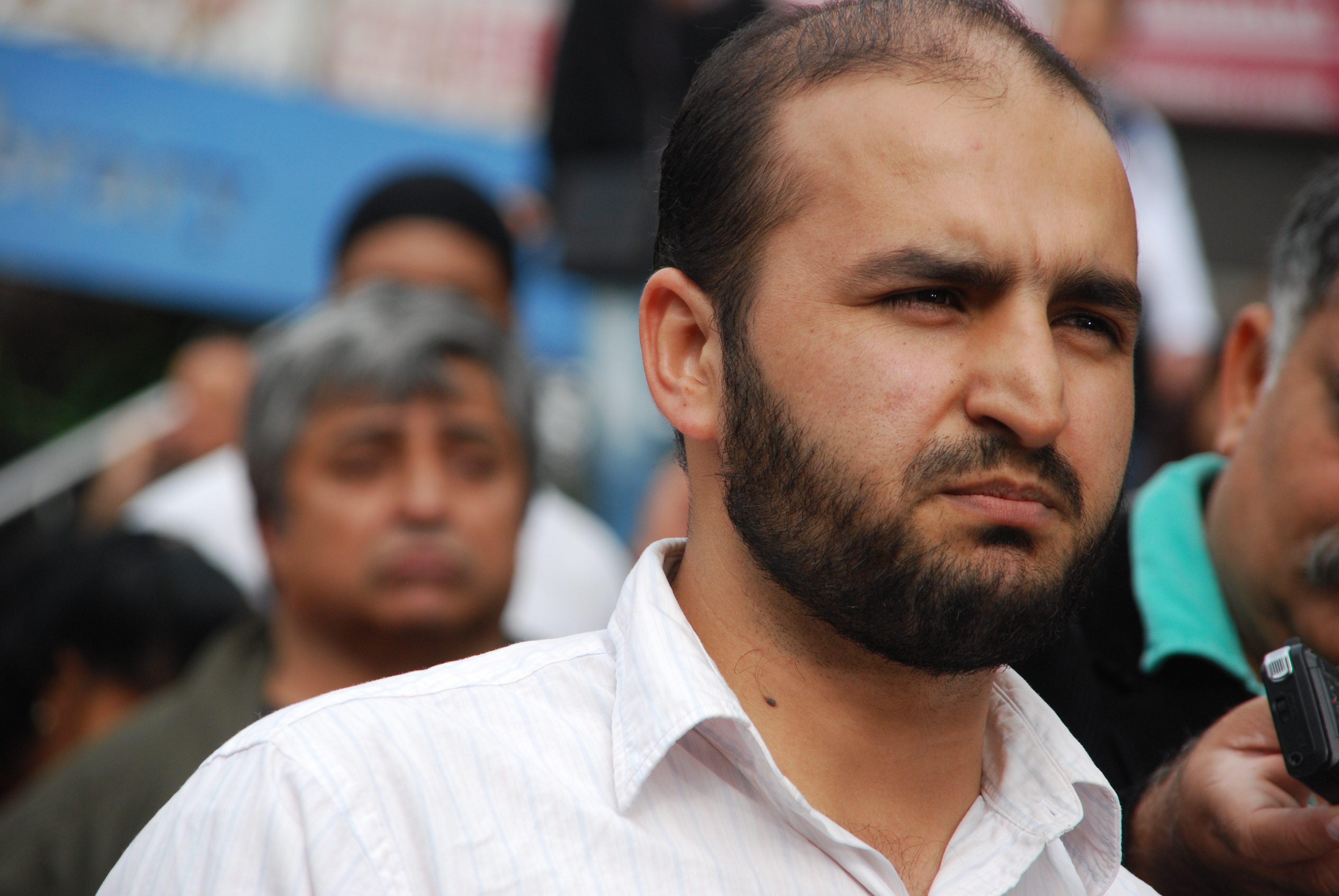 English: Naiz Khan, target of an FBI terror invest...
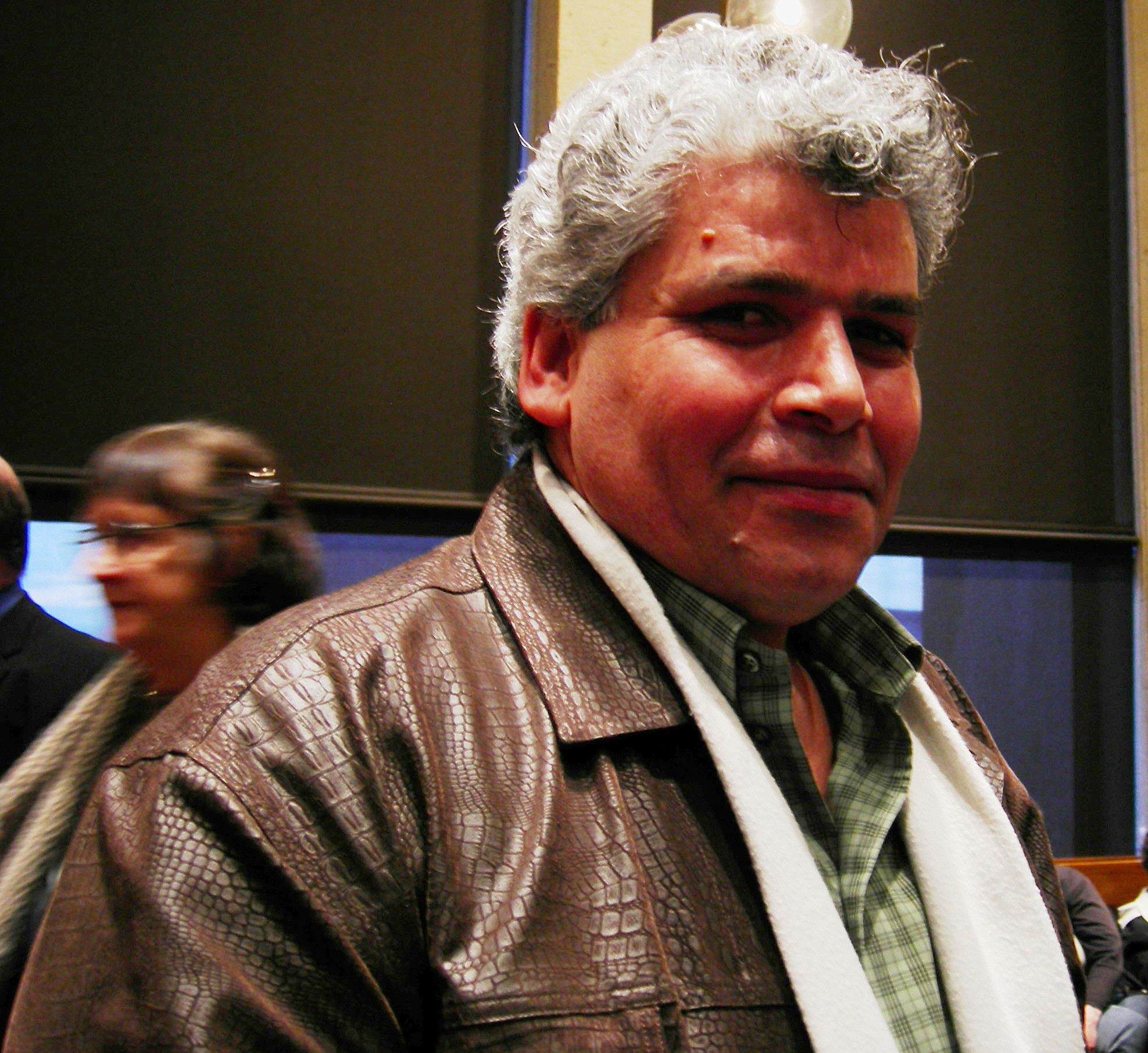 Abdulameer Yousef Habeeb, Iraqi refugee who brough...
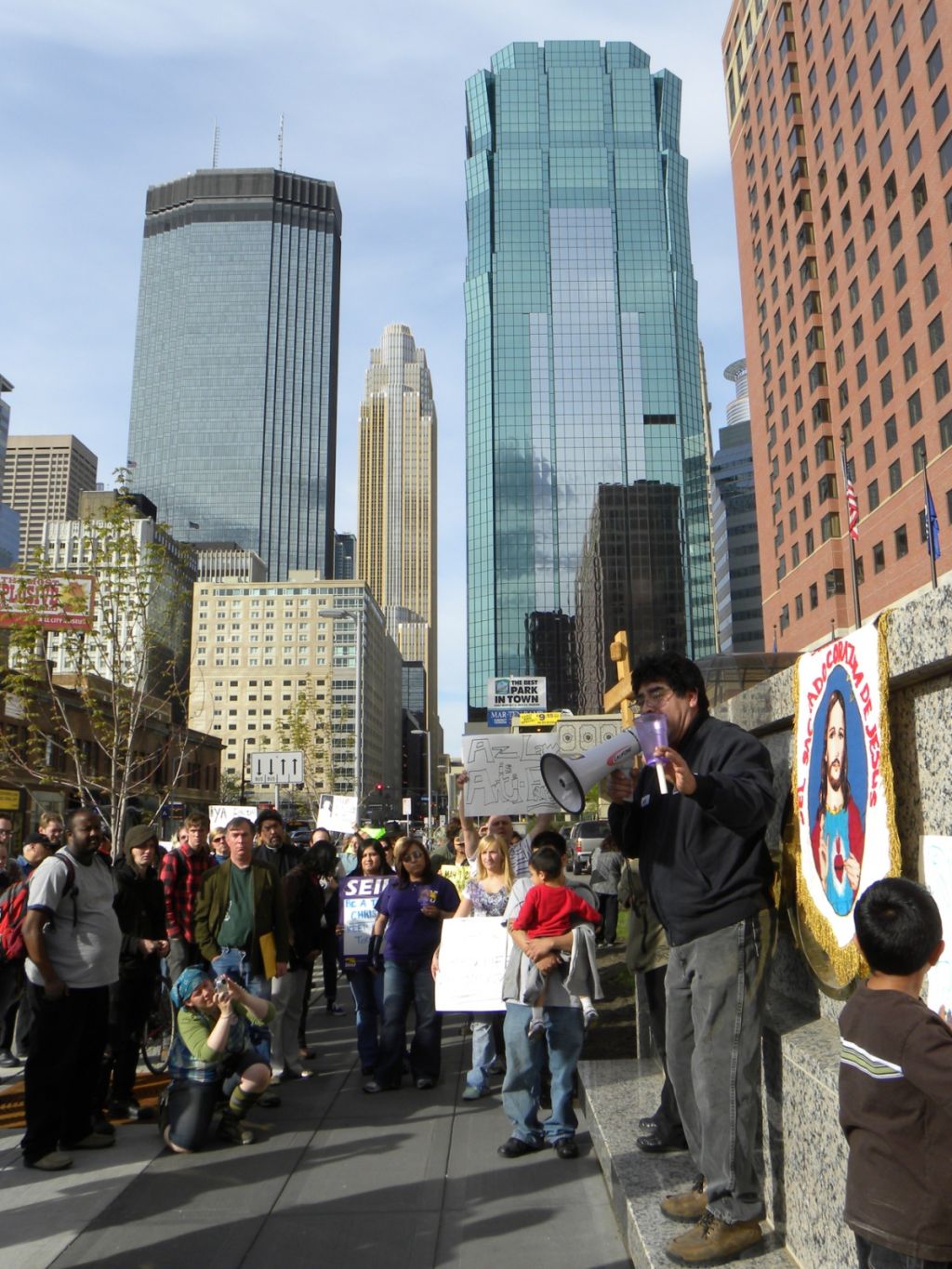 A protest against SB 1070 by a coalition of commun...
To help in this fight the NAACP and ACLU have taken this "myth" to another level. The allegation that police systematically single out minorities for unjustified law enforcement ultimately stands or falls on numbers. In suits against police departments across the country, the ACLU and the Justice Department have waved many studies allegedly demonstrating selective enforcement. None of them holds up to scrutiny.
The NAACP's explanation for the apparently higher crime rates among blacks is simple: The evil white police simply enforce the law more harshly on minorities. Normally in our system of justice, the burden of proof falls upon the accuser. But this is not the case with charges of racial profiling. The racial lobby is not required to prove that black motorists don't commit more traffic infractions than others. Instead, the accused (the police departments) are required...