This is a case study of Sarah, a 39 year old female who presented at the emergency department with her husband, who is worried about her recent behaviour. She is showing classic signs of Hypomania, which is commonly associated with Bipolar Disorder. Hypomania has distinguishing features and can be displayed with high energy levels, positive mood, irritability, inappropriate behaviour, heightened creativity and mystical experiences (Athanasos 2009). Bipolar Disorder sufferers not only experience highs like hypomania, but also the lows of depression. Diagnosis of Bipolar Disorder can only be made by a qualified health provider like a psychiatrist and is following one or more manic and depressive episodes (Parker 2007). There is no known cure for Bipolar Disorder but with medical management, a stable and productive life can be led with the condition well controlled (Athanasos 2009). This essay will provide the assessments undertaken with Sarah to obtain data that has then been used to develop the included nursing care plan.
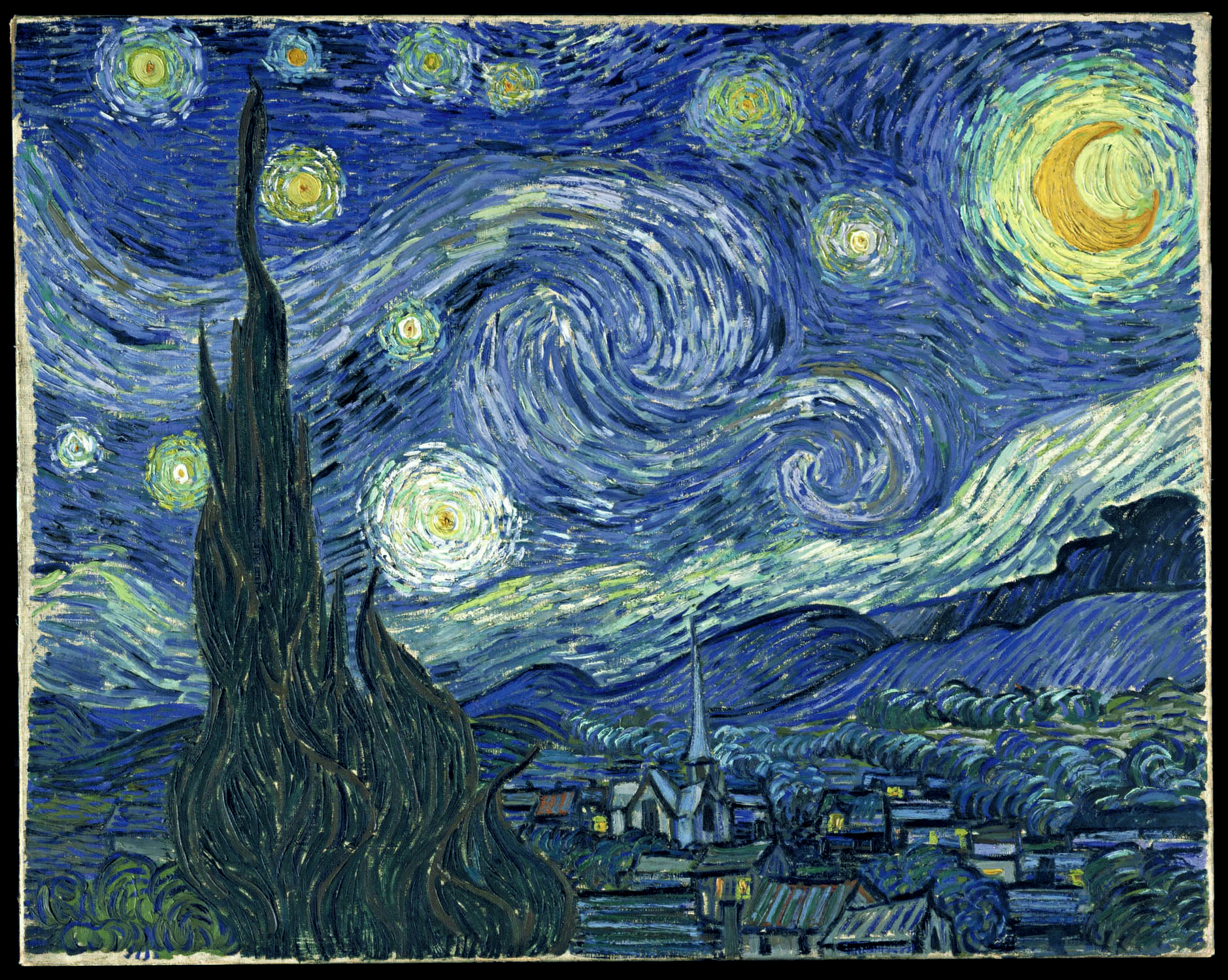 Vincent van Gogh, The Starry Night. Oil on canvas,...
 Sodium valproate is a common mood stabilizer
 Sarah Xmas 06 family sketch
Nursing Diagnoses that identify nursing concerns and nursing interventions used to achieve desired outcomes are also discussed.
Nursing Assessments
The first stage of the nursing process is the assessment of the patient. The assessment stage is used to collect, organise, validate and document data (Smith, Duell & Martin 2008) that is then used in the diagnosis and subsequent care plan for the patient. Assessment is done via an interview with the patient and anyone they consent to be involved. The assessment interview is the main way that the nurse can begin to develop a therapeutic relationship with the patient. A therapeutic nurse-patient relationship is paramount in obtaining positive outcomes for the patient. The interview should be conducted in a therapeutic milieu, one that is private with low stimulation and chosen by the patient with regard given to the safety...