-1-
Of all the cases in the Supreme Court there seem to be some that just more people seem to talk about as having a big part in American history. One of these court cases I feel would have to be the Miranda v. Arizona, 384 U.S. 436.
Ernesto Arthur Miranda was arrested in his home of Phoenix, Arizona in the year 1966. He was accused of kidnaping and raping a Phoenix, Arizona, woman. Apparently when he was arrested he had not read his rights given to him under the U.S. Constitutions Bill of Rights. The basis for this was that following his arrest Miranda was interrogated for a lengthy period of time without being aware of his Fifth Amendment Rights. Therefore he did not know that he could have a lawyer present or not even have to say anything to the police. During this the woman was brought in to identify Miranda.
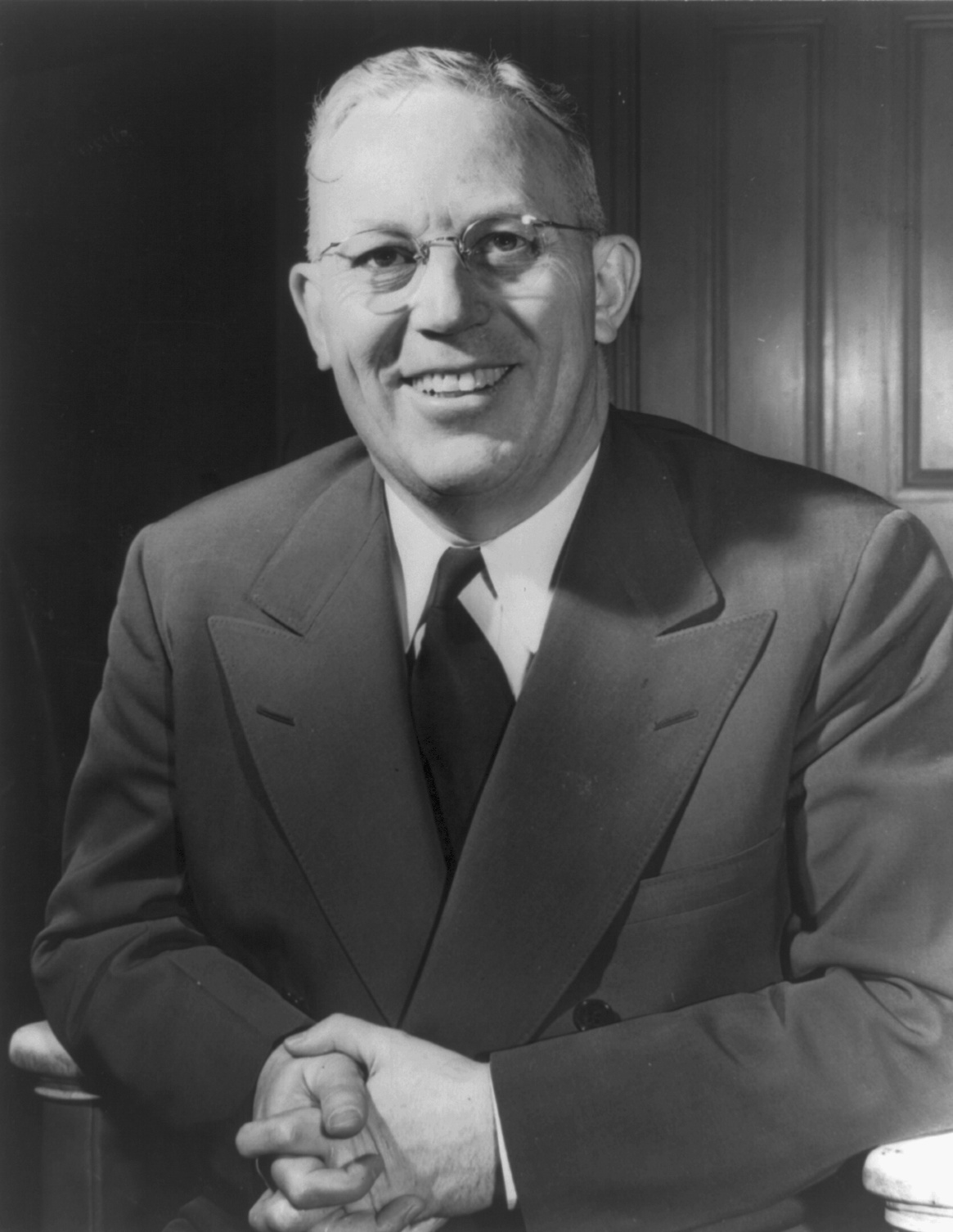 Earl Warren; Governor of California and Chief Just...
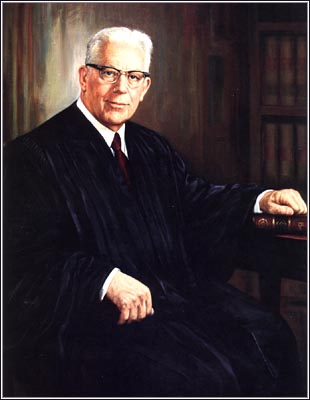 3,927 days Earl Warren from 1943 to 1953
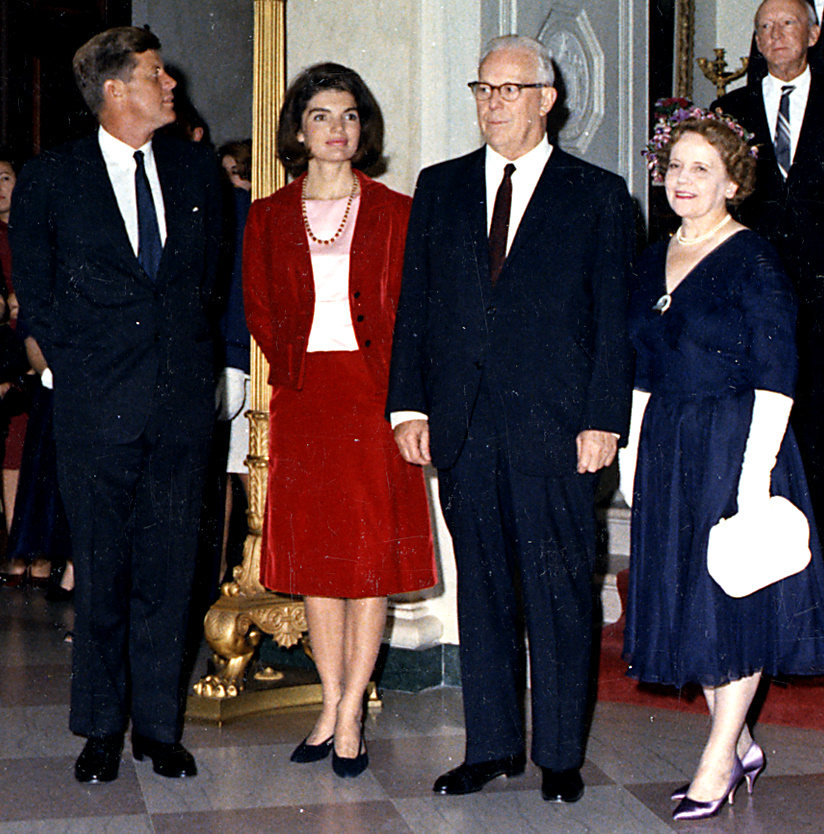 President & First Lady Kennedy with Chief Justice ...
Once Miranda realized that the woman identified him he gave a full confession. But in the first paragraph of the confession it says that the confession was a voluntary one, without promises of immunity from prosecution and made with " full knowledge of my legal rights, understanding any statement I make may be used against me." Miranda signed the confession and was held for trial. (Miranda,81)
Miranda was found guilty and sentenced a total of fifty years. In the appeal of the trial Miranda's lawyer claimed that not only had the confession had been forced but that the police did not even tell him he did not have to speak if didn't want to. Nor was he aware that anything that he might say can and would be used in court. His lawyer insisted that what had been done to Miranda was unconstitutional. The Supreme Court...
My Opinion
I think that this essay was good but it would have been alot better if the person wrote it in arguementative form. For example justifyed why The case was in favor of citizens rights or against them. Just describing the case give us the information we can get from a history book. Even a personally commentary at the end would help it out.
3 out of 3 people found this comment useful.