The causes of current account deficit
Australia's CAD will be one of the entering years biggest economic stories in the media at the end of the financial year 1998-1999. There is a likelihood the deficit will increase to an amount to per 6 percent of gross domestic products.
In Australia for the last two centuries the balance has almost been deficit the past twenty yeas the level of the deficit has increased notably. In 1970's the current account gap has concerning 2.5 percent GDP.
Australia has usually run a current account s deficits, as investment opportunity have exceed domestic saving, the budget paper say the deficit has also been quite explosive periodic inflorescences on sawing and inaugurations. E.g. changes income stemming from the dangle habits has been maintained investment cycled have also been a key diver of short-term instability in the CAD.
Australian's needs to spend more on investment and all Australian's save is the cause of the current account deficit.
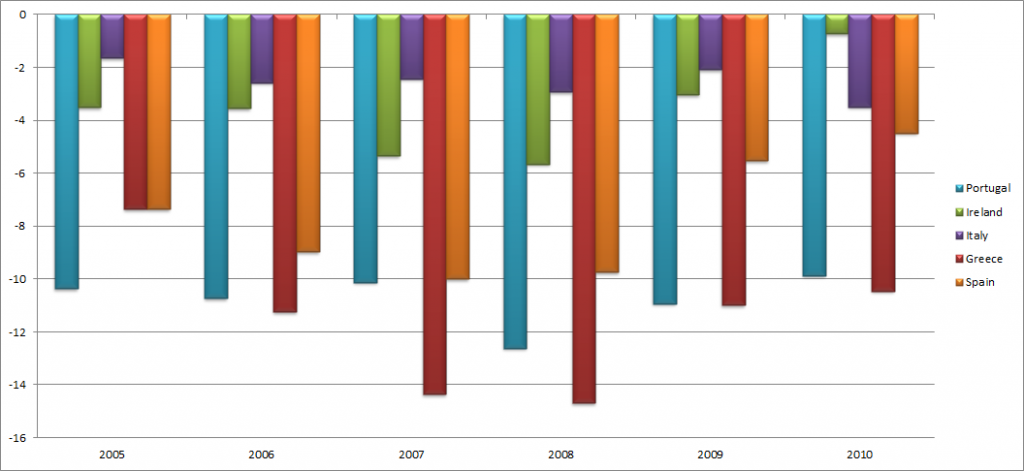 English: Current account deficit of PIIGS countrie...
 1 2 3 Current Account - Santander - red bus - New ...
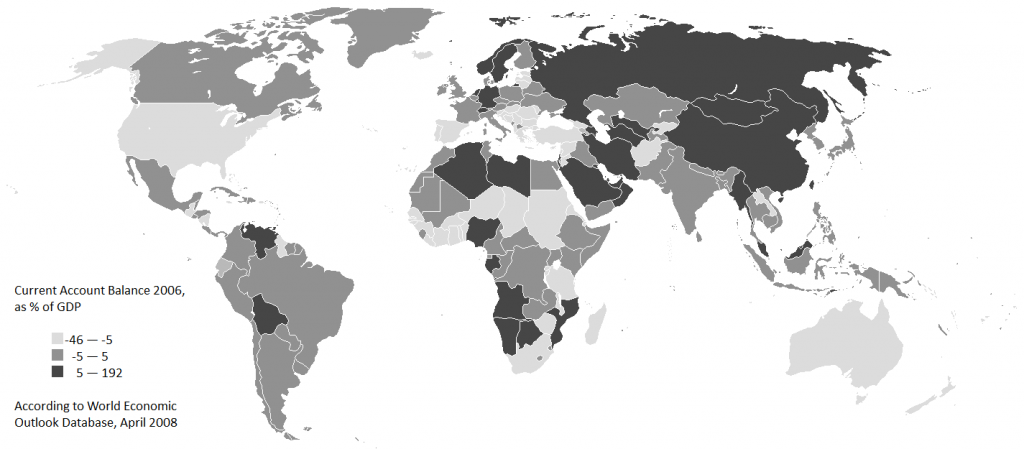 English: Current Account Balance 2006, as % GDP
The investment projects have created jobs, increased living standard for all Australians and have helped generate the income necessary to make payment in the imported foreign capital the current account is not just about trade it's also we must lift our national saving performance if are to reduce the current account deficit.
The current account deficit stood at $3,487 million in the June quarter, down from $4,291 million in the March quarter. As a proportion of GDP, the current account deficit stood at 2% of GDP in the June quarter, the best result in just over 21 years (March quarter 1980). However, when we borrowing from other countries we have to pay interest rates and these are additions to the original dent, therefore they increase the debt owed. It is considered a bad thing to have and increasing...