Introduction
China is one of the oldest civilizations of the world, and was once at the forefront of development and innovation. This was not the case ever since the middle ages and China slipped into becoming a feudal nation. However, since the last 25 years, China has been taking strong strides in the economic world. Our report attempts to analyze how these changes came about.
The People's Republic of China has been a communist country since 1949. Communism and Liberalization would appear to be antagonistic to each other. Government played a strong role in economic activities, including controlling the market entirely. Given the circumstances, why did China liberalize? Furthermore, how has liberalization benefited China? Has the liberalization extended to all classes of Chinese society? How has the Chinese polity and society reacted to the reforms? Are there any obvious differences between the liberalization process in China and India?
Reasons for liberalization
'Great leap forward', started by the Communist Party in 1958, was the first move by China towards large-scale industrialization, largely on the lines of Soviet Russia.
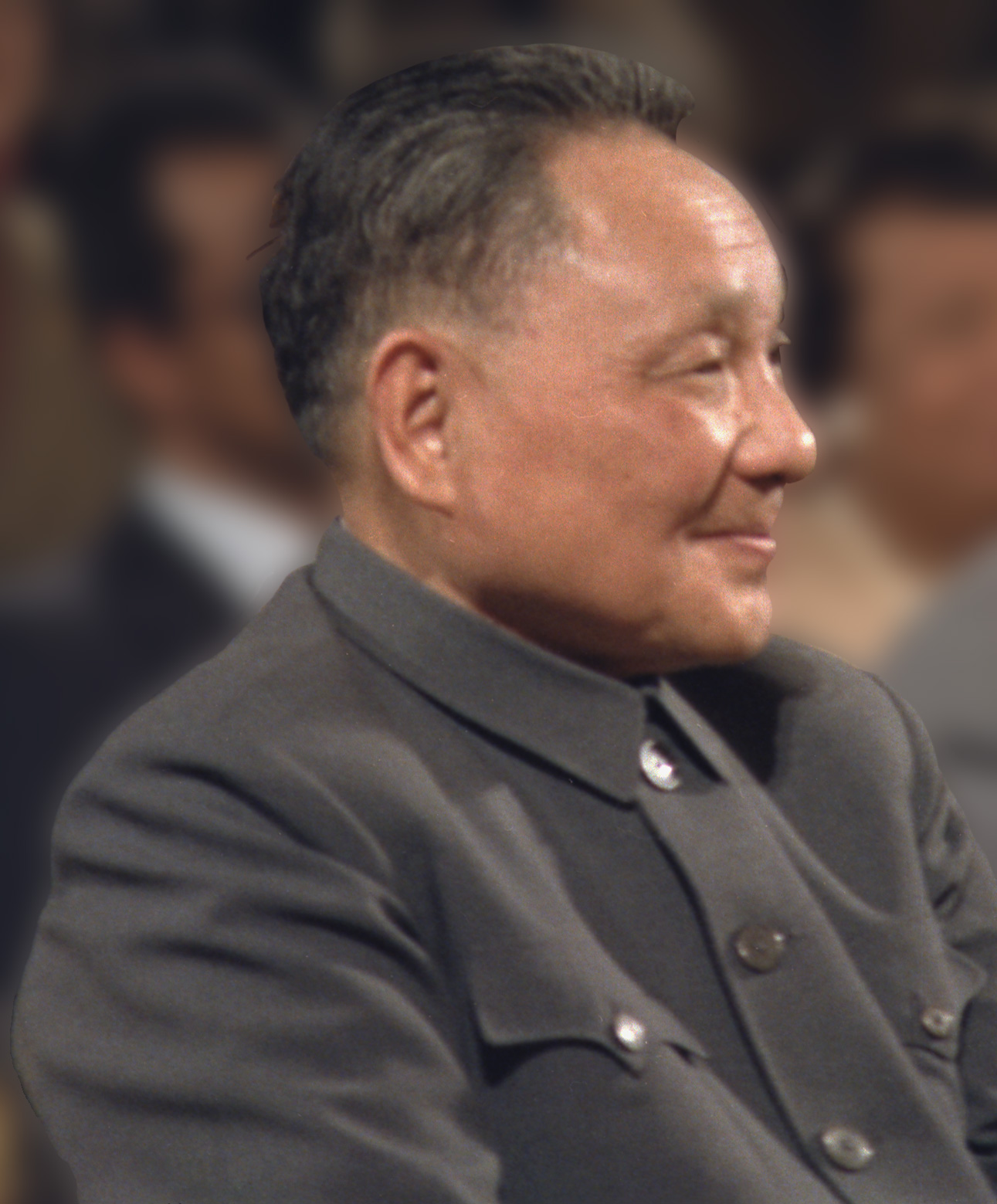 Deng Xiaoping
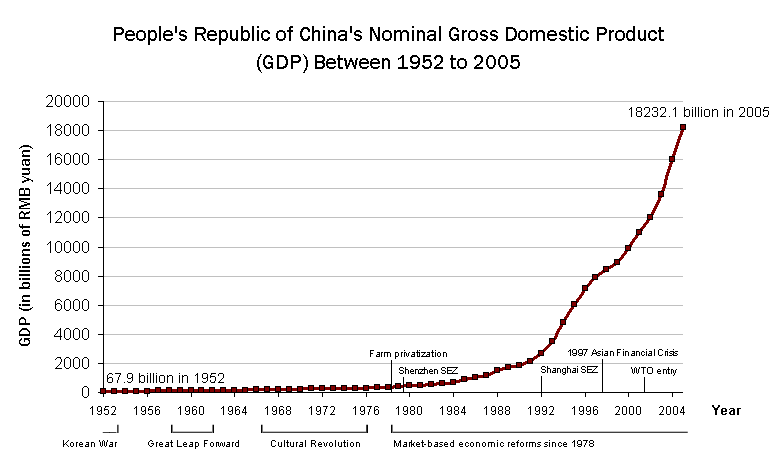 English: Scatter graph of the People's Republic of...
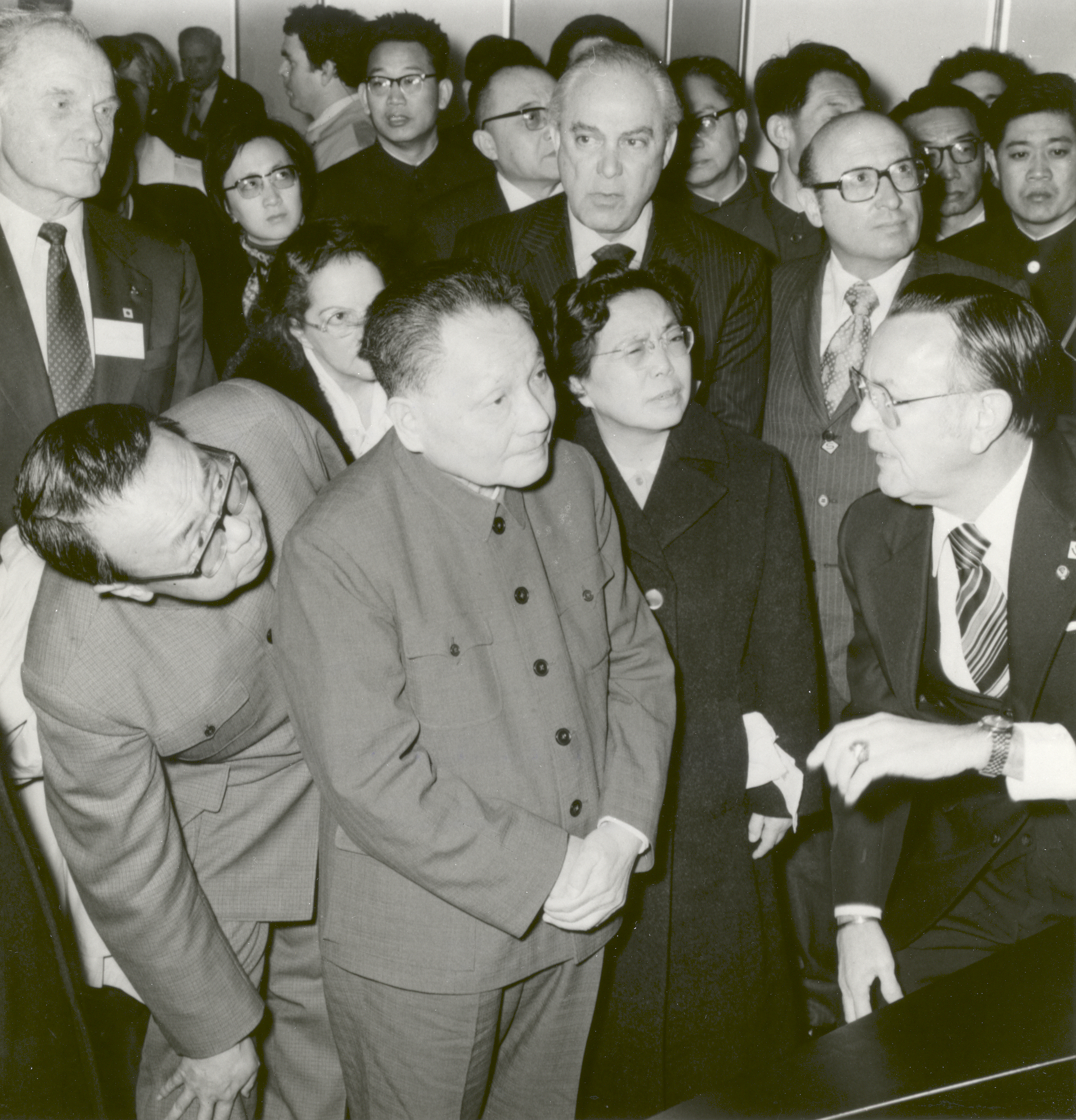 English: Deng Xiaoping, Vice Premier of the People...
Buoyed by the success of the first five-year plan, Mao diverted a large proportion of the workforce from agriculture to industry. This coupled with a series of natural disasters that plagued China in the late 50's, led to a giant drought, where as many as 30 million people are believed to have perished. Though it was a major economic failure, it was the first attempt by China to leverage its cheap labour towards industrialization, a tactic that would be repeated 2 decades later.
Cheap labour: In the 1970's, a large amount of manufacturing activity was carried out in Japan and Taiwan, for re-export to western countries. China presented a new outlet for cheap labour, a fact that the Chinese government wanted to capitalize...