Christianity
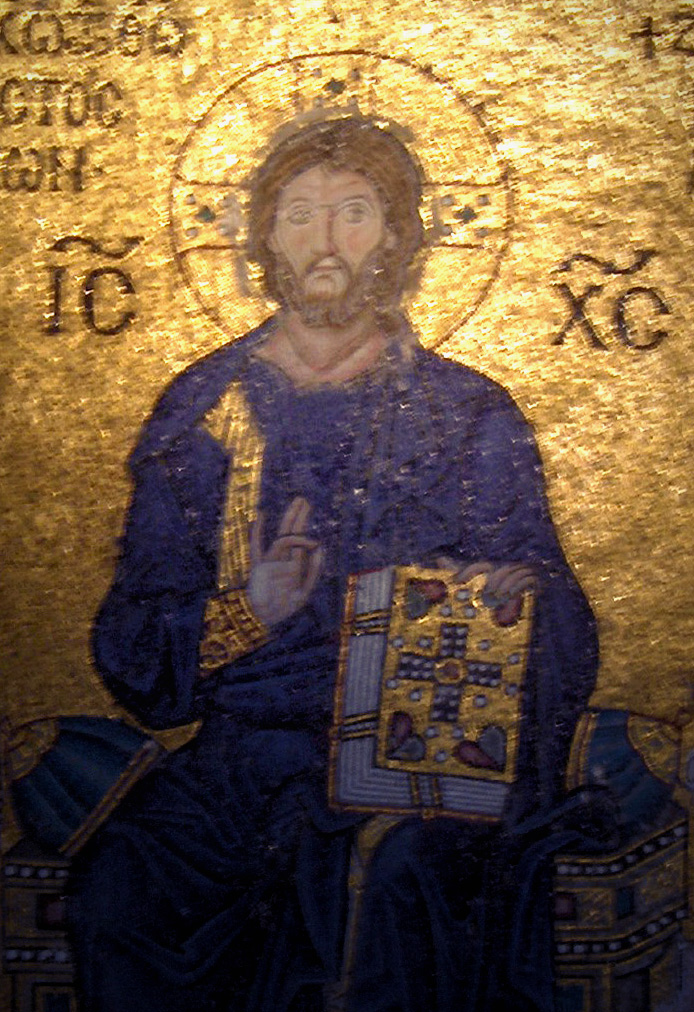
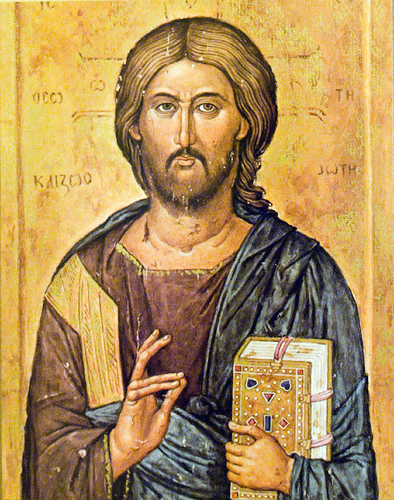
Christians follow the teachings of Yeshua of Nazareth, commonly referred to as Jesus Christ which is Greek for "the Messiah". Jesus Christ was a Jewish preacher who was executed by the Roman occupying authorities in Palestine. Most Christians regard him as the son of God and they further believe that he is God, the second person in the Trinity. The Trinity consists of the Father, Son and Holy Spirit; three separate persons who form a single unified deity.
Most Christians believe that Jesus co-existed with God before the creation of the world, was born of a virgin, was bodily resurrected three days after his death, and later ascended to Heaven. The holy book, the Bible consists of the Old Testament and New Testament. The Old Testament chronicles the lives of Jews and others who lived before Jesus, who had been promised a savior by God and were waiting for him. The New Testament is unique to Christianity, as it centers around the figure of Jesus and his effect on the world.
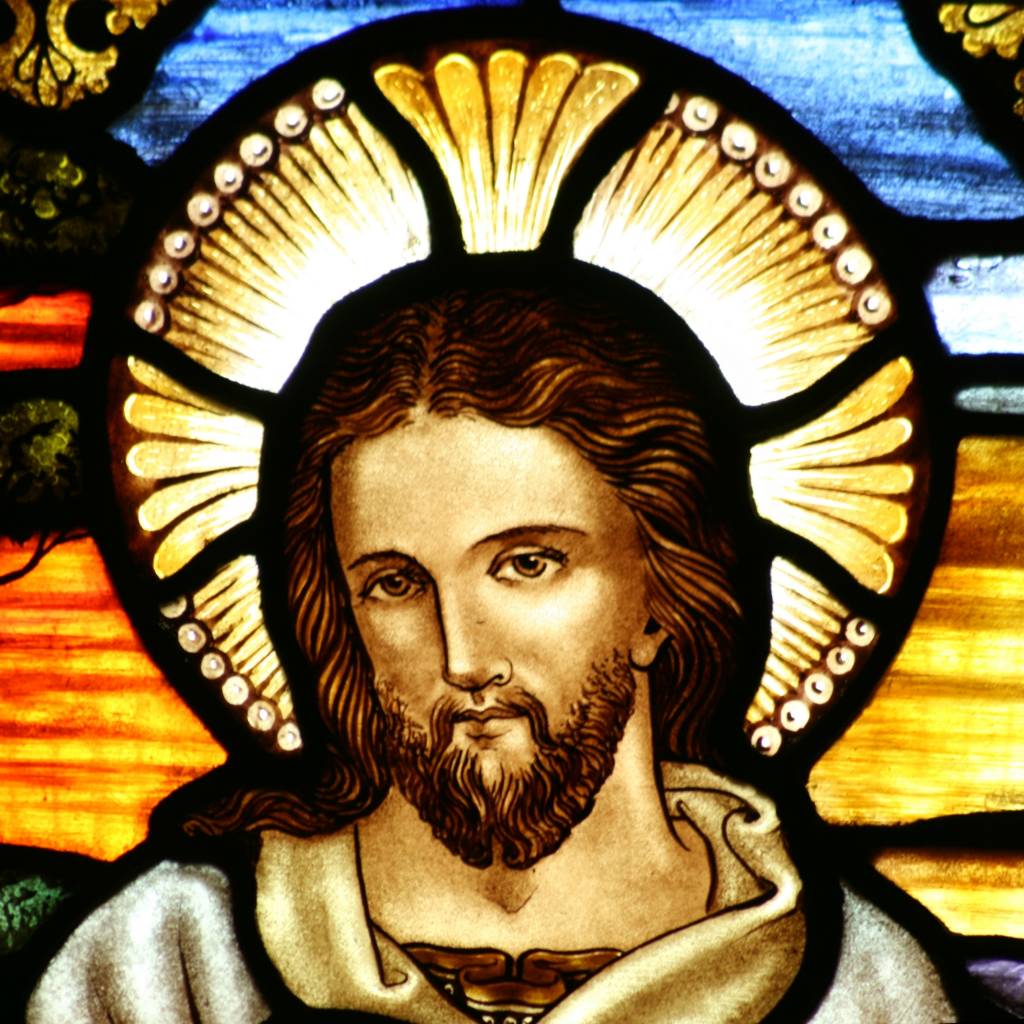
It is not a simple task to form an opinion about Christianity as there are on the order of 1,500 different Christian faith groups which promote conflicting beliefs. However, I feel that affiliating Jesus with God, as being one and the same, or that Jesus is the son of God is inaccurate. If one asks a question based on logic or curiosity, more often than not he would be brushed away with simple claims of "have faith". With any faith, whether Christianity, Hinduism, Islam, etc., we can either choose to follow the traditions of our fathers, unquestioning, or we can choose to question and ponder
and reason. I choose the latter, and therefore believe that "religion" has gone far from the path of "God's light" is now content to...
More Christianity
essays:
An essay discussing the christian holidays Christmas and holy sunday. Compare/contrast the two and how they effect the religion and modern american society.
... Risen Christ. It is the festival of the "new creation". Yet, when understood in depth, this aspect is inseparable from what the first pages of Scripture tell us of God's plan in the creation of the world. If the first ...
The breast place of the highest priest.
... it is in his own light we see him as the eternal Son of God, as the brightness of his Father's glory, and the express image of his person: It is in his own light we see him as ...
Religions of the World
... Fall of Rome. 570s Rise of Islam. 988 Orthodox Christianity is established in Russia. 1096-1270 Period of the Crusades, miltary expeditions sanctioned by the pope, to recover Jerusalem and the Holy Land from the Muslims ...
New Testament: Analysis of 1 Peter and 1 John
... through God. I think that this view of the world revealed that John had peace and harmony in his spirit, and it greatly influenced his teachings. John is warning Christians against antichrists and liars, who deny "the Father and the Son ...
The War on Terror, Christianity, Islam, and Paul: An analysis of Romans 3:21-3:26
... Christian idea of man's freedom of choice, and the purity of God. To summarize my line of reasoning; as the ultimate power responsible for the universe, God is the one responsible for sin. By causing the creation of the world ...
One can be simultaneously wealthy and of the Christian faith.
... a Christian and follow Jesus Christ if you are rich. However, the size of a person's bank account does not determine whether he or she is a Christian or ... The world is filled with both poverty and prosperity. While many people in North America would not consider themselves "rich," the fact ...
A comparative study of greek and celtic pagan religions, the variations between them and their demise through the Christian movement.
... power and authority over a majority of the world. For hundreds of years prior to the birth of Christ, religions existed in a polytheistic nature, meaning they worshiped a number of gods. This is opposed to not only Christianity but ...
The origins of the Knights Templar and their effect on Christianity. It includes interesting facts and some personal reflection.
... with the kings of Europe yet stay close to Christian principles. By an Apostalic Decree, the order was suppressed, property was dealt to various regions, and the members of the Templars ...