Civil Rights
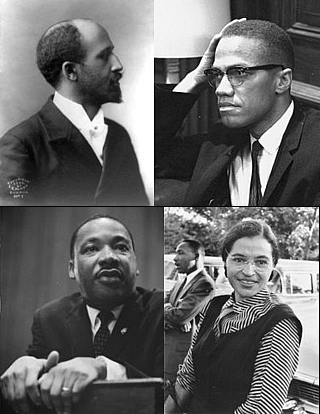
The civil rights movement was a period of time when blacks attempted to gain their constitutional rights of which they were being deprived. The movement has occurred from the 1950's to the present, with programs like Affirmative Action. Many were upset with the way the civil rights movement was being carried out in the 1960's. As a result, someone assassinated the leader of the movement, Dr. Martin Luther King Jr. Many blacks were infuriated at this death so there were serious riots in almost 100 cities. President Johnson then appointed a committee called The Kerner Commission to study the civil rights movement. They concluded the following: 'We are moving toward two societies-one white and one black, separate and unequal.' There is some truth to the Kerner Commission report, but on the whole the civil rights movement has been a success because blacks are better off now than they were before it began.
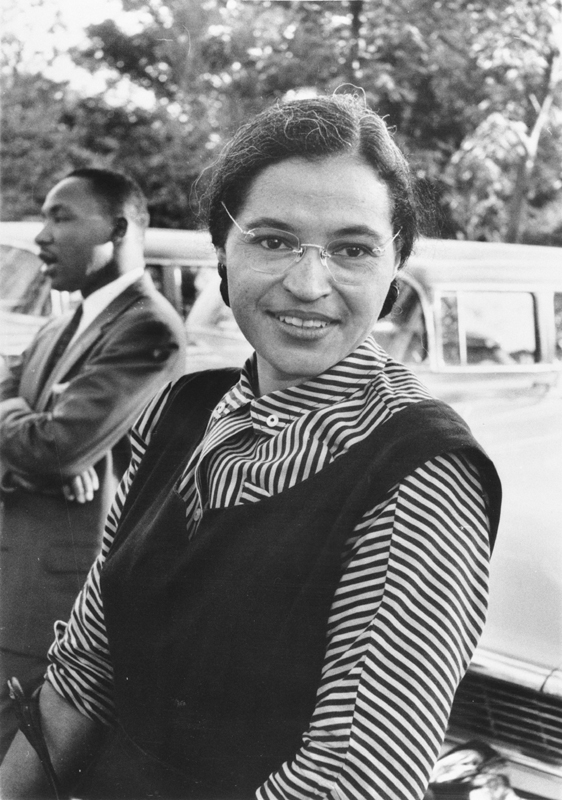
The Kerner Commission report has some truth when it comes to blacks and politics, but overall the movement was a success because blacks have achieved more politically than before they began. Before the movement, blacks had almost no political power due to laws designed to prevent blacks from voting, like poll taxes, literacy tests and the Grandfather Clause. Also when some blacks went to vote, people simply wouldn't let them register. Due to lack of voting ability, no blacks were elected into office and therefore, blacks had no say in the government. Also, blacks were not allowed to serve on juries, yet they were almost always found guilty in court, even if the evidence was clearly against them. For example, years ago a boy in Georgia broke into a school to steal an ice cream. While he should have gotten a few hours of community service, he got...
More Black Awareness & Racism
essays:
Affirmative Action: The Consequences
... Abolishing affirmative action will focus the United States on academic achievement and reward it rather than effete forty-year-old excuses for poor performance. In the words of Martin Luther King, Jr. "I ...
Short essay on Affirmative Action
... that this policy is morally unjust. They argue that it violates the rights of individuals who are, according to the U.S constitution, to be treated equal. Affirmative action would be reversing the role of racism now to another racial group ...
The significance of Martin Luther King as a civil rights activist in relation to the Montgomery Bus Boycott.
... American civil rights movement because it gave witness to the emergence of Martin Luther King Jr. King's leadership inspired the actions of ...
Montgomery Bus Boycott. This paper is about the bus boycoot concentrating on Martin L. King.
... starting with the successful bus boycott in Montgomery Alabama. The civil rights movement was lead by Dr. Martin Luther King Jr., who preached nonviolence and love for your enemy. "Love your ... stated President Truman's Committee on Civil Rights in ...
The Civil Rights Movement
... SNCC. Martin Luther King, Jr., delivered the keynote address to an audience of more than 200,000 civil rights supporters ... register to vote. Her testimony attracted much media attention, and President Johnson was upset by the disturbance at the convention where he ...
Affirmative Action
... are employed . . . without regard to their race, creed, color, or national origin (Civil Rights)." With the signing of that order, and without knowing it, President Johnson created reverse discrimination. Affirmative Action was created in an effort to help minorities leap the ...
Jackie Robinson and how he changed the face of not only sports but everyday life.
... As Dr. Martin Luther King rose to the forefront of the struggle for civil rights in ... continued civil rights movements. Robinson worked as vice president for ... but he also ran into trouble off it. Robinson's actions sparked Dr. King's civil rights movement and others. Jackie Robinson is a true hero and ...
In Defense of Affirmative Action
... 1965, President Lyndon Johnson had made a very strong statement in favor of affirmative action, by ... that affirmative action is necessary to right the ... of constitutional affirmative action. Yale Law Journal. Sterba, James P. (2003, Summer). Defending Affirmative Action, Defending ...