A clone is a group of organisms that are genetically identical. Most clones result from asexual reproduction, a process in which a new organism develops from only one parent. The one process of cloning, called nuclear transfer, replaces the nucleus of an immature egg with a nucleus from another cell. Most of the work with clones is done from cultures. An embryo has about thirty or forty usable cells but a culture features an almost endless supply. When the nucleus has been inserted into the egg cell, the cell is given an electric shock to initiate the development. Traditionally this is the sperm's role. In this paper we will be discussing the advantages of different types of clones, such as they are useful for research. We will also be discussing the disadvantages and different techniques that result from the cloning of different organisms.
First lets start with the history of cloning.
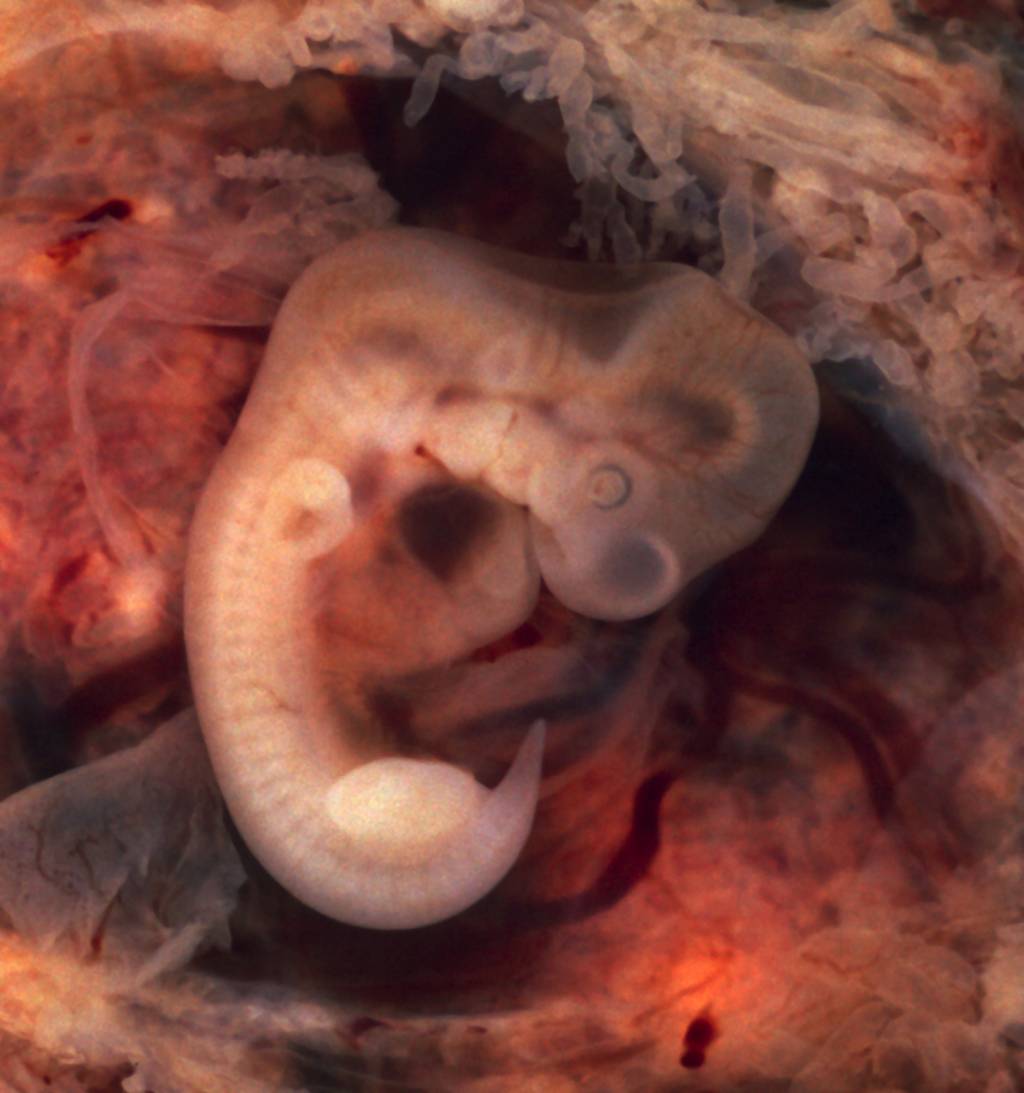 An opened oviduct with an ectopic pregnancy at abo...
 Clone Trooper vs. Spider-Man Clone (93/365)
 Human Cloning Raëlian
The modern era of laboratory cloning began in 1958 when F.C. Steward cloned carrot plants from mature single cells placed in a nutrient culture containing hormones. The first cloning of animal cells took place in 1964. John B. Gurdon took the nuclei from tadpoles and injected them into unfertilized eggs. The nuclei containing the original parents' genetic information had been destroyed with ultraviolet light. When the eggs were incubated, Gurdon discovered that only 1% to 2% of the eggs had developed into fertile adult toads. The first successful cloning of mammal was achieved nearly twenty years later. Scientists from Switzerland and the U.S. successfully cloned mice using a method similar to Gurdon's, but required one extra step. After the nucleus was taken from the embryos of one type of mouse, they were transferred into the embryos of another mouse who served as the surrogate mother. This mouse went through...