Philosophers live and encourage others to live according to the rules of practical wisdom. Aristotle, Immanuel Kant, and Emmanuel Levinas were three philosophers who sorted out various ethical approaches. They investigated complex human actions and theorized what is the ethical thing to do. For instance, Aristotle contemplated the aim of human life, Kant observed duty and obligation from respect for the law, and Levinas examined one's responsibility to the Other. These unique points of view offer different answers regarding the search for the good. In addition to their differences, these philosophers are bound together by similar ideas. For example, each of the philosophers believed in optimism-- they thought that all humans are naturally ethical. In addition, each of the philosophers believed in using reason to be ethical. They emphasized the concept of living well and acting well by using virtuous habits and good character to reach the "good". Furthermore, they all believed in self actualization-- in other words, ethically being the best one can be.
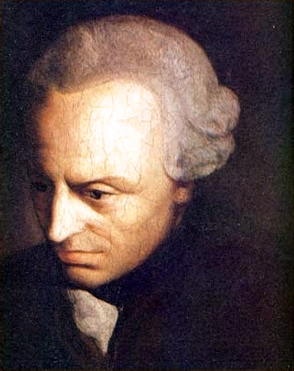 English: , Prussian philosopher. Português: , fil...
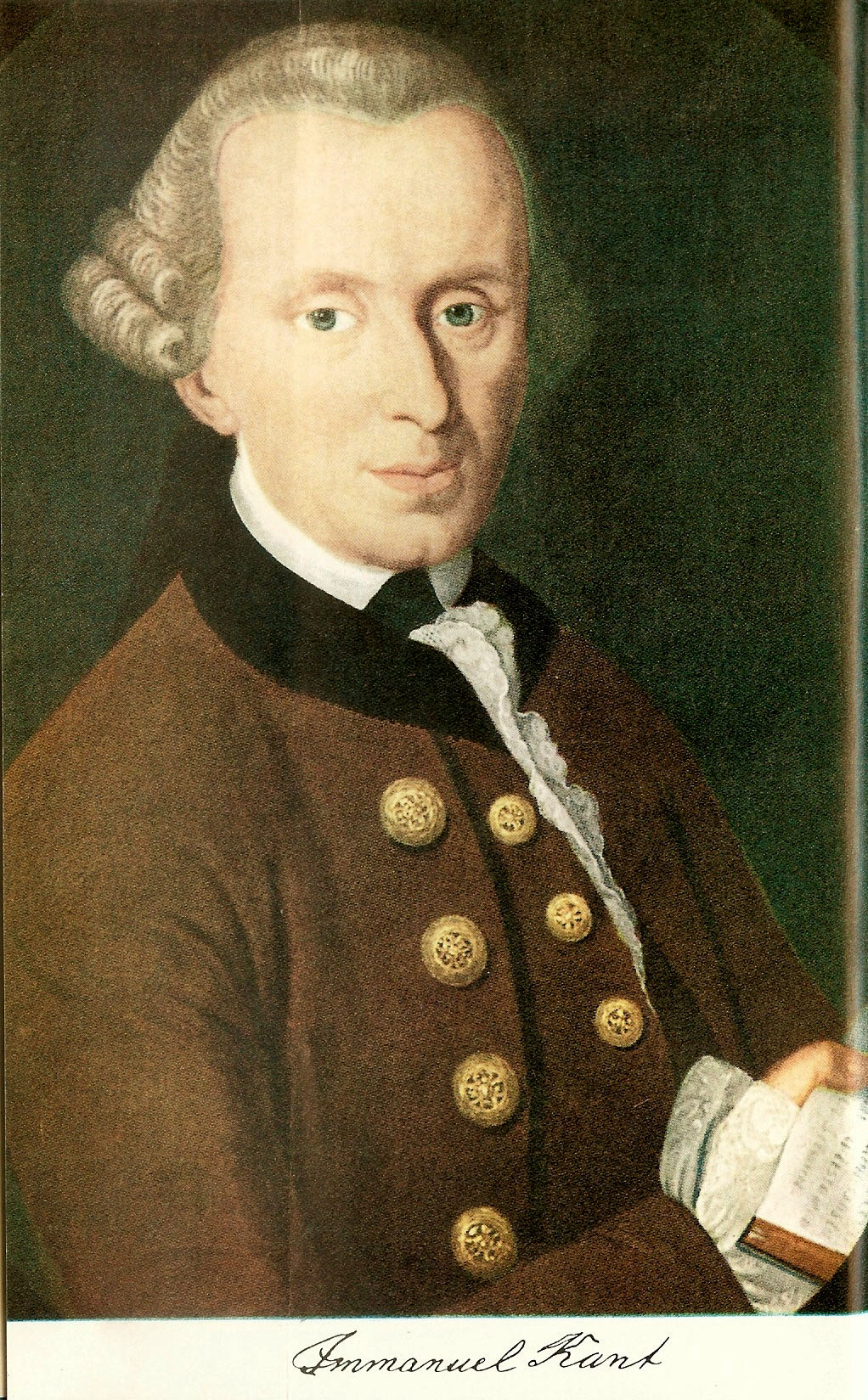 English: Immanuel Kant Deutsch: Immanuel Kant
 English: Immanuel Kant Tomb in Koenigsberg РусÑ...
They all thought an ethical person must be rational and responsible for their actions. They proposed that each person has a duty towards others and society.
Aristotle lived during the B.C. era and established the concept of teleological ethics. This means that ethics has a purpose or a reason. He stressed the concept of doctrine of the mean-- maintaining balance in one's actions. Additionally, he theorized the idea of developing virtuous habits to build good character as well as that happiness is the main goal of all human beings. He explained how reaching one's potential by living well and acting well will ultimately lead to happiness. Moreover, he stated one should base one's actions on reason and he introduced the concept that reason controls desire.
Immanuel Kant was a philosopher who lived the majority...