Cultural conflict is when a new set of beliefs and habits overtakes and conceals the old set, deteriorating the sacred cultural connections established at birth. SujataÃÂs "Search for My Tongue" and John AgardÃÂs "Half-Caste" are both excellent examples of cultural conflict. In the both cases, the authors are attempting to depict the hardships involved with a clash of culture. In ÃÂSearch for My Tongue,ÃÂ Sujata Bhatt finds conflict between two languages: ÃÂwhat would you do/if you had two tongues in your mouthÃÂ (3-4). In Half-Caste, Agard protests the racial discrimination towards the Guyanese interior hidden by the British exterior. Both poets express these cultural conflicts with the use of perspective, cultural context, literary devices, imagery and variations to syntax. The similarities in these poems show that cultural conflict is abundant and ubiquitous, whereas the differences provide uniqueness amongst the cultural conflicts.
In ÃÂSearch for My Tongue,ÃÂ BhattÃÂs poem encompasses the conflict between mother tongue and the foreign tongue.
 Русский: Памятник родному (Ð...
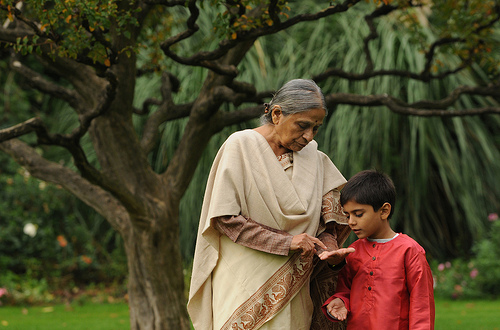 Ela Bhatt with her grandson Rameshwar
 Anand Bhatt with Sum41
These very physical objects replace her native language of Guajarati and foreign language of English. The use of this metaphorical analogy is widespread, such as in the French language, where the word ÃÂlangueÃÂ means both tongue and language. According to Bhatt, if ÃÂyou had to/speak a foreign tongue,/your mother tongue would rotÃÂ (10-12). The conflict between languages continues in the subconscious world, where the mother tongue always returns and ÃÂblossoms out of my mouthÃÂ (38).
Similarly ÃÂHalf-CasteÃÂ is also a conflict of cultures, specifically race. John Agard is a mixed race of black and white ÃÂ ÃÂlight an shadowÃÂ (13). His life in Britain has allegedly suppressed his black, unwanted side. This protest poem is the black side attempting to be freed just as how BhattÃÂs mother tongue wants to ÃÂgrow(s) backÃÂ (31). Agard often describes...