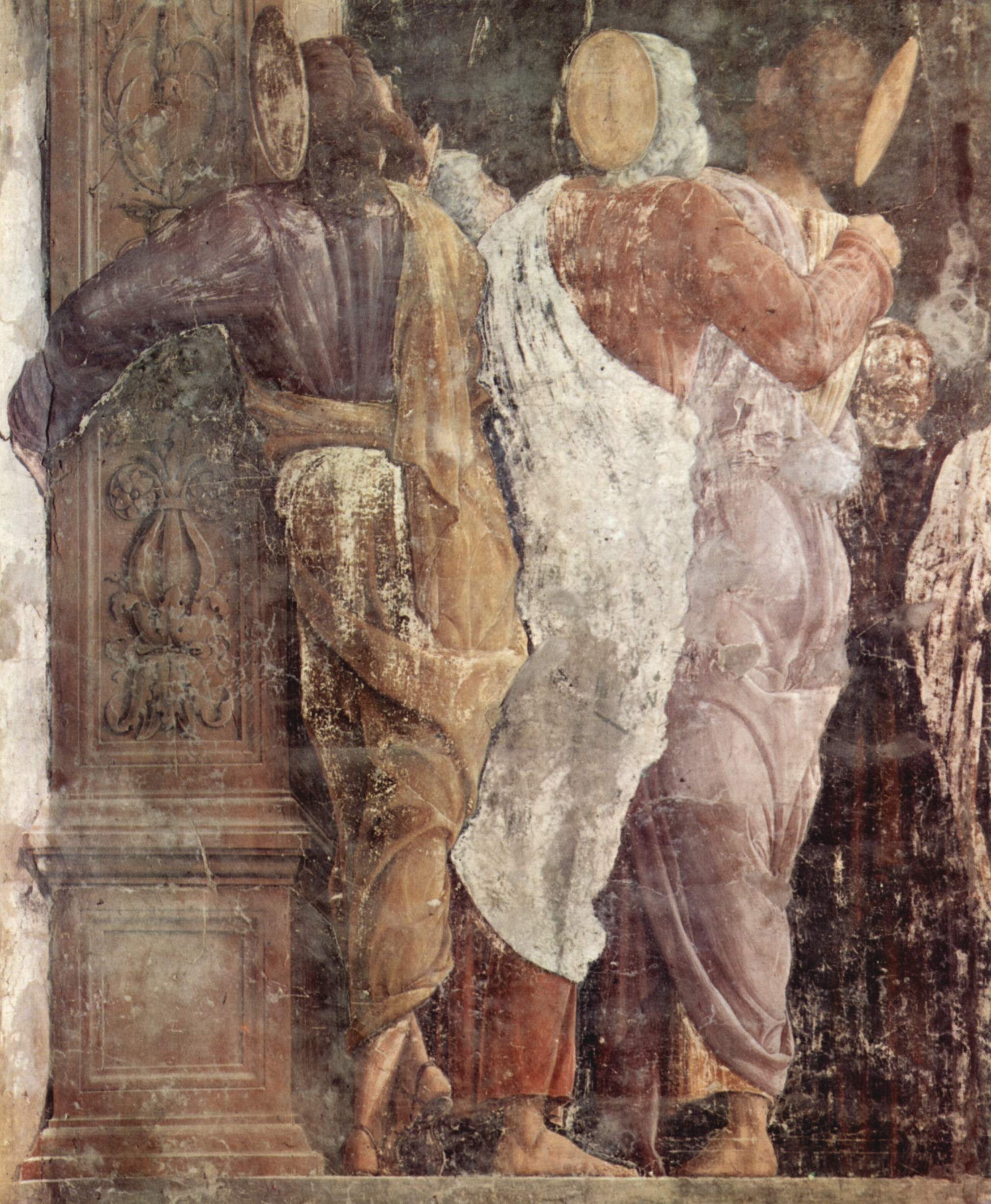
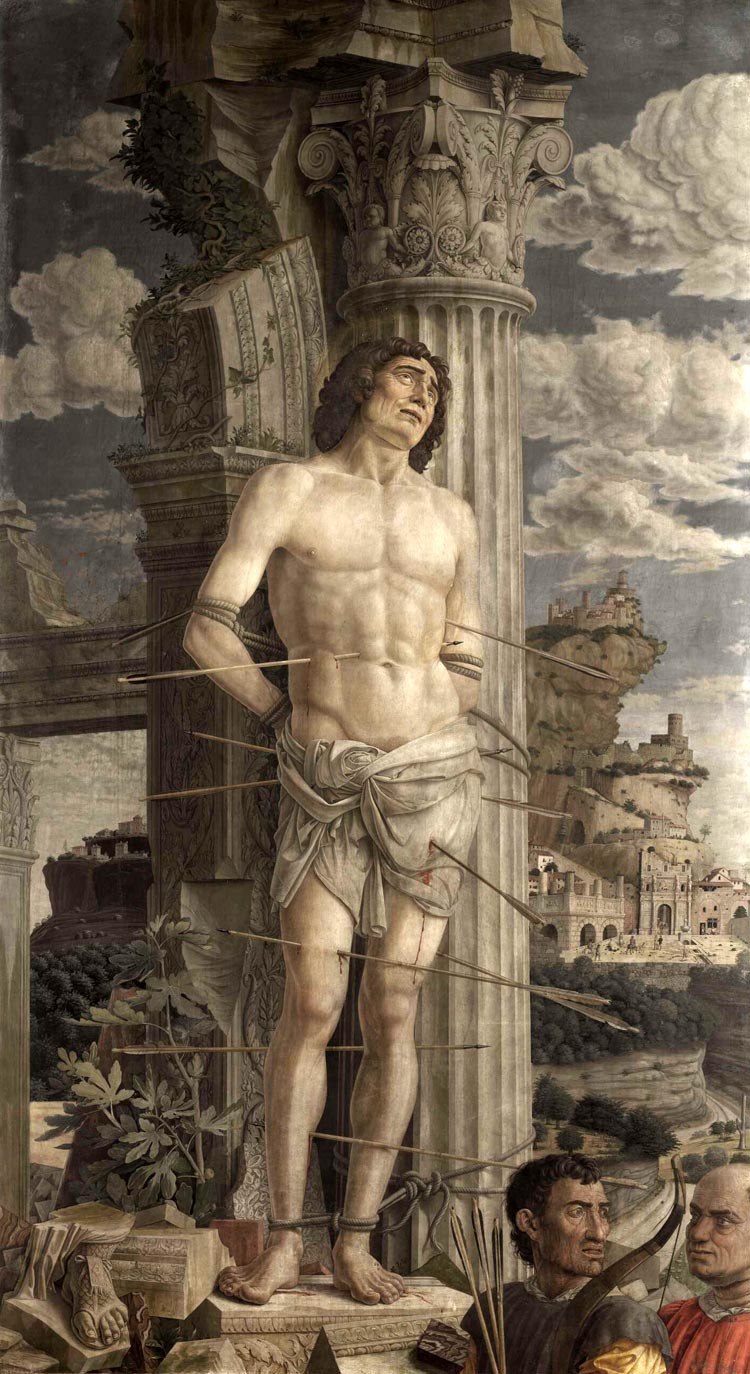
Comparing and contrasting Andrea Mantegna and El Greco's painting "The Adoration of the Shepherds"
"The Adoration of the Shepherds" is a painting that once adorned El Greco's tomb in the church of the Monastery of St. Dominic in Toledo. It was subsequently expended to the high altar for which it was initially meant. This rapturous painting is one of the artist's most colorful works. Light illuminates from the Child and the heavenly white cloth on which he lies, characterizing the figures of Mary and the astonished shepherds. Starting at the very beginning of his career El Greco had been attracted in the problem of light, his early work Youth Blowing a Charcoal is essentially an investigation of the way in which a burning light is mirrored by the features of the face.
When he painted "The Adoration of The Shepherds", light was no longer used for its own sake but as a mode to transport an idea. The words of the Pantocrator are occasionally to be found in Romanesque churches and consequently in the Light of the World. In El Greco's picture this topic is now completely stated in absolutely pictured terms. The lengthened figures, like tongues of fire, and all the marks of eagerness, faith and emotion, are representative of El Greco's work. These characteristic features of El Greco's art are obviously seen in this gorgeous creation, which establish it as a link amid the Gothic style and modern art.
"El Greco's color expression was quite unlike the chiaroscuro style of da Vinci. He preferred abruptness and bold color contrast rather than the soft transition and glazed style of the time. In chiaroscuro, the highlights are pure and the shadows were dull -- the opposite of El Greco's interpretation. The rich deep tones and the chalky tints produced an eerie, yet powerful visual effect."
[The Secrets of the Masters - El Greco]
This...
More Works of Art
essays:
Art History Entombment and Adoration of the Shepp
... in church right now. For Adoration of the Shepherds, Cigoli was able to show us a light hearted celebration and a new beginning through the colors and commotion of the people. These paintings help ...
The Adoration of the Magi One piece of art work,
... teachings of the churches, and the entire 2000 year old history of Christianity. I feel that The Adoration of the Magi is a beautiful piece of artwork. I think that there is not only a beautiful peaceful setting in the painting ...
The Adoration of the Magi One piece of art work,
... teachings of the churches, and the entire 2000 year old history of Christianity. I feel that The Adoration of the Magi is a beautiful piece of artwork. I think that there is not only a beautiful peaceful setting in the painting ...
Adoration of the Magi
... as the new coming child of the Lord. The painting of the Adoration of the Magi as a whole is portrayed as a detail image that contains a bright color scheme, with an excessive use of white, blue ...
Altarpiece with Scenes from the Life of the Virgin
... the right, "The Adoration of the Shepherds," "The Resurrection of Christ," and "The Pentecost" finish 2/3 of the painting. The bottom of the artwork consists of 9 small paintings that depict the entombment of ...
El Greco's "View of Toledo"
... View of Toledo This piece, an oil on canvas painted in 1541 by El Greco (Domenikos Theotokopoulous) evokes strong emotions. It shows a storm overhead, with very little light breaking through the clouds. However, the city below is illuminated. In the ...
The Starry Night in detail, that is, the history of its creation, the description of the painting and why it is considered to be the most famous picture by Van Gogh.
... elements of the painting appear to be less vivid, it reveals that nature controls everything. The Starry Night proves that there is no difference between brushstrokes and created elements, they go together and should be regarded as an essential tool ...
The Romanesque Period: An in-depth analysis of the romanesque medieval period covering both architecture and sculpture
... was painted in full colour. The style of carving throughout the church seems so unified that it is very possible Gislebertus did it all himself. In later years the church grew ashamed of the grotesque and dramatic imagery of the Romanesque ...