Beowulf and Gilgamesh
There are many differences and critical comparisons that can be drawn
between the epics of Beowulf and Gilgamesh. Both are historical poems
which shape their respected culture and both have major social, cultural,
and political impacts on the development of western civilization
literature and writing. Before any analysis is made, it is vital that
some kind of a foundation be established so that a further, in-depth
exploration of the complex nature of both narratives can be accomplished.
The epic of Gilgamesh is an important Middle Eastern literary work,
written in cuneiform on 12 clay tablets about 2000 BC. This heroic poem is
named for its hero, Gilgamesh, a tyrannical Babylonian king who ruled the
city of Uruk, known in the Bible as Erech (now Warka, Iraq). According to
the myth, the gods respond to the prayers of the oppressed citizenry of
Uruk and send a wild, brutish man, Enkidu, to challenge Gilgamesh to a
wrestling match.
 English: Gilgamesh Poster
 The Gilgamesh Pot
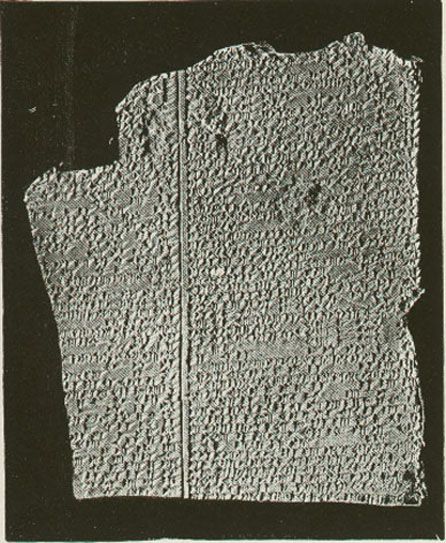 The Deluge tablet, carved in stone, of the Gilgame...
When the contest ends with neither as a clear victor,
Gilgamesh and Enkidu become close friends. They journey together and share
many adventures. Accounts of their heroism and bravery in slaying
dangerous beasts spread to many lands.
When the two travelers return to Uruk, Ishtar (guardian deity of the city)proclaims her love for the heroic Gilgamesh. When he rejects her, she
sends the Bull of Heaven to destroy the city. Gilgamesh and Enkidu kill
the bull, and, as punishment for his participation, the gods doom Enkidu
to die. After Enkidu's death, Gilgamesh seeks out the wise man Utnapishtim
to learn the secret of immortality. The sage recounts to Gilgamesh a story
of a great flood (the details of which are so remarkably similar to later
biblical accounts of the flood that scholars have taken great interest in
this story). After much...
Good
was a good piece of work and was very helpful
0 out of 0 people found this comment useful.