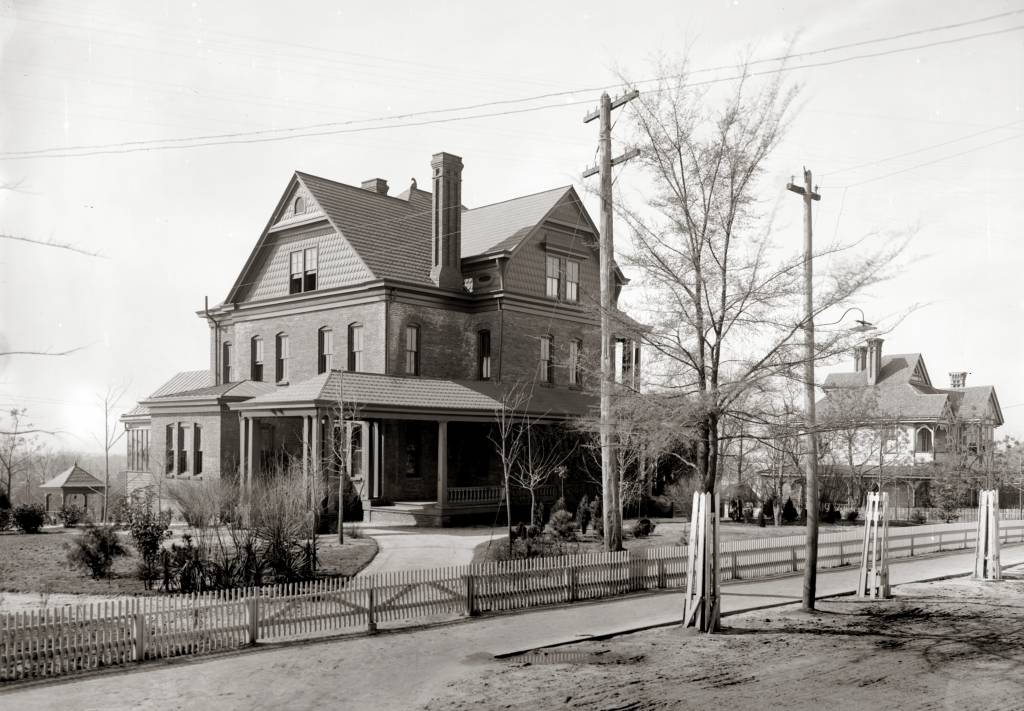
A comparison between Booker T. Washington (19th century) and Martin Luther King Jr.(20th century).
COMPARISON PAPER
I. INTRODUCTION
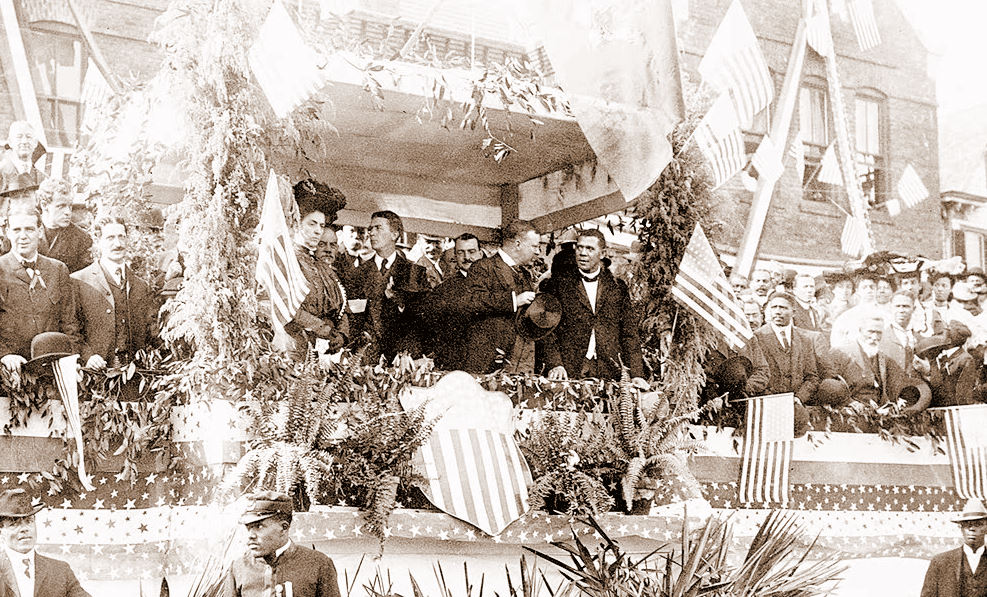
For decades, Booker T. Washington (1856-1915) was the major African-American spokesman in the eyes of white America. Born a slave in Virginia, Washington was educated at Hampton Institute, Norfolk, Virginia. He began to work at the Tuskegee Institute in 1881 and built it into a center of learning and industrial and agricultural training. A handsome man and a forceful speaker, Washington was skilled at politics. Powerful and influential in both the black and white communities, Washington was a confidential advisor to presidents. For years, presidential political appointments of African-Americans were cleared through him. He was funded by Andrew Carnegie and John D. Rockefeller, dined at the White House with Theodore Roosevelt and family, and was the guest of the Queen of England at Windsor Castle. Although Washington was an accommodator, he spoke out against lynchings and worked to make "separate" facilities more "equal." Although he advised African-Americans to abide by segregation codes, he often traveled in private railroad cars and stayed in good hotels.
Any number of historic moments in the civil rights struggle have been used to identify Martin Luther King, Jr. -- prime mover of the Montgomery bus boycott, keynote speaker at the March on Washington, youngest Nobel Peace Prize laureate. But in retrospect, single events are less important than the fact that King, and his policy of nonviolent protest, was the dominant force in the civil rights movement during its decade of greatest achievement, from 1957 to 1968.
II.BOOKER T. WASHINGTON
A. HISTORY
Booker T. Washington was born a slave in Hale's Ford, Virginia, reportedly on April 5, 1856. After emancipation, his family was so poverty stricken that he worked in salt furnaces and coal mines beginning at age nine. Always an intelligent and curious child, he yearned for an education and was...
More African Studies - History
essays:
Analyzed Essay of Martin Luther King Jr's "A Time to Break Silence" and short comparison to Thoreau's "Civil Disobedience."
... reality of the war and its impact on the families it affected. Again, he felt like it was an attack on the poor, and especially African Americans, because ... analysis of our loyalties. He says that love is the ultimate force of life, and is a necessity for man. He ...
The civil rights movement
... first president. Together, the NAACP and the SCLC joined forces to help the Civil Rights Movement work in an orderly fashion. One of the first actions taken by the NAACP and SCLC was to organize a large rally in Washington D ...
It's about songs that were sung by african americans back in the 19th century. they were slave songs that helped africn americans to communicate
... that African American Slaves were greatly influenced by the church. The spiritual "Didn't My Lord Deliver Daniel" (Hill, 47) talks about how the Lord got Daniel out of the ...
Non-violence with Gandhi and Martin Luther King, Jr.
... because of American's situation with Iraq right now. If the ideas of non ... down to the ocean to make their own salt instead of buying it from England. There was also the time when he told people to ...
December 1, 1955, Montgomery, Alabama, when Rosa Parks refused to move
... until polite treatment by bus driver were guaranteed to them. 2. Segregation must be abolished on buses and a first come first served policy adapted. 3. The employment of black bus driver. Since African American was ...
Afican-American
... by lynching during the 1890s. A black educator, Booker T. Washington, reacted to this erosion of black rights by advocating a policy of racial accommodation. He urged blacks not to emphasize the goals of social integration and political rights ...
King Affonso I of Congo - His life, Accomplishments, and Importance of his Anti-slavery work
... John of Portugal. Works Cited Billings, Eric. "The Martin Luther King Jr. of Congo." African-american Observer ... power. When the New World was discovered, a new labor force was needed to grow the cash crops, especially sugar cane ...
African American History
... in Washington still prevailed though, and police guards were ordered to walk with blacks to ensure their safety. The march turned out to be a success and peaceful. These marches were so important to the civil rights movement because African Americans ...