Comparison between Prometheus in the epic of Gilgamesh and the snake in Genesis.
Prometheus, the creator of mankind, and the snake in Genesis both purposely and wrongfully want to give the human race knowledge and wisdom. In the next paragraphs, I will discuss the characters qualities, how and why they decide to provide this knowledge, and, finally, both the positive and the negative consequences of doing so.
When seen in context, Prometheus and the snake have very similar qualities. They are both extremely knowledgeable and wiser than the rest of mankind. Prometheus is known for being wiser than the other Gods such as Atlas. Therefore, he is closer to being compared to the father of all Gods, Zeus. The snake also has these god-like attributes because he knows more than Adam and Eve, who are really nothing more than ignorant and blissful children who are in the arms of Jehovah, who is the father figure in this story. Yet again, he might be compared to God, but he is not as powerful. Prometheus is also not as powerful as Zeus, which is why in the end; both characters are punished for their knowledge and their actions.
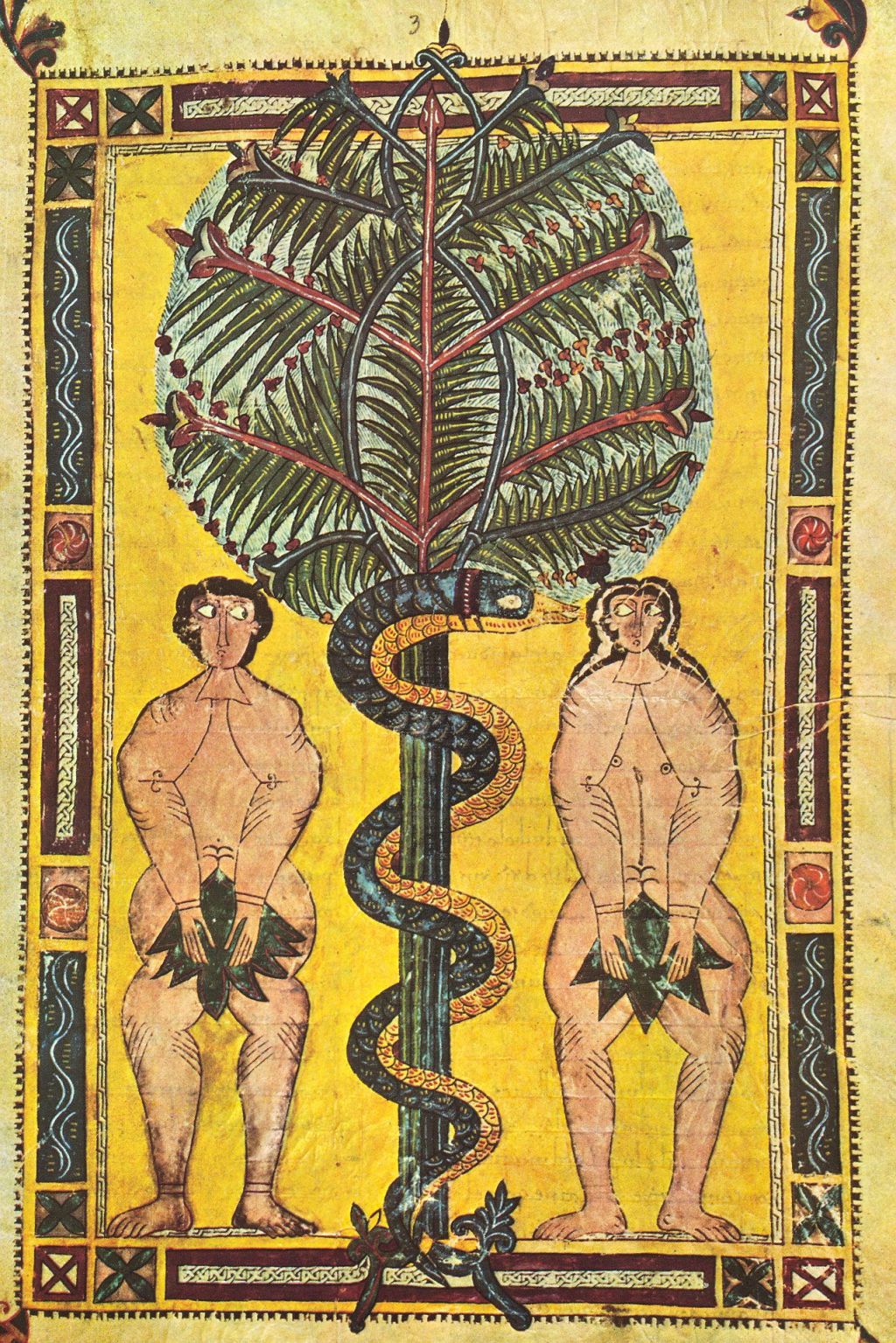
Prometheus and the snake both want to give knowledge to mankind because they don't want humans to be ignorant subordinates to the Gods (or God). The snake, in Genesis, clearly tells Eve, "...then your eyes shall be opened, and ye shall be as gods, knowing good and evil." (Genesis p.19) This shows that, for the snake, it is important for human beings to be allowed to think for themselves and to know the difference between what is right and what is wrong, and to be able to make a choice. The knowledge of good and evil is seen as independence, as an independence from the chains that attach us to God and his words, which are basically...
More Mythology
essays:
Gilgamesh, the epic of
... longer possible by reason of the babel."(p.108) This is when the Gods decided that the Gods would control mankind's destiny and the Gods would exterminate mankind. Only one man, Utnapishtim, lived through the great flood that would kill ...
The epic of Gilgamesh
... there were many gods they were getting old. The gods decided to destroy all mankind. The god Ea, however, told Uta-napishti of their plans and proposed a way ... when he goes to bathe. It is stolen by a snake and causes the snake to shed its skin and be rejuvenated. Sadly, Gilgamesh did not mark the ...
Comparison between Beowulf and Gilgamesh.
... used many different methods to determine its origins, from grammar and sentence construction to comparing the text to historical knowledge. The collected essays present many opinions, but they do not ...
Flood Myths: Similar Ancient Greek and Mesopotamian Beliefs
... was warned by Prometheus of what was to happen. His father told Deucalion to build an ark and to get inside it with his wife Pyrrha" (15). With the help of the sea god, his brother Poseidon, Zeus floods the earth ...
Evolution of Gilgamesh
... lets his hair grow long. He realized that he too was mortal even though he was two-third god and one-third man. Gilgamesh loses what makes him a better person. His balance was Enkidu. Enkidu taught him to love, trust ...
Gilgamesh Flood Story Vs. Genesis Flood Story.
... above paragraph. The major similarity between the two stories is that the god or gods sent the flood because the people of the world because they were causing chaos and were ...
The story of the flood, how ut
... a conquest to achieve everlasting life, does not believe any of the previous gods, and still wants to see Utnapishtim, to see how he achieved everlasting ... be warned of this catastrophe, because Ea did not want mankind to be destroyed. Ea wanted mankind to live on, so he told Utnapishtim of the flood ...
The Culture of Mesopotamians
... which entails explaining what each part of the earth is and what purpose it serves. Another strand is psychological representations which enlighten people ...