Comparison of the legislative System of the Government of Australia and the Government of Japan
Comparison of the Legislative System of Australia and Japan.
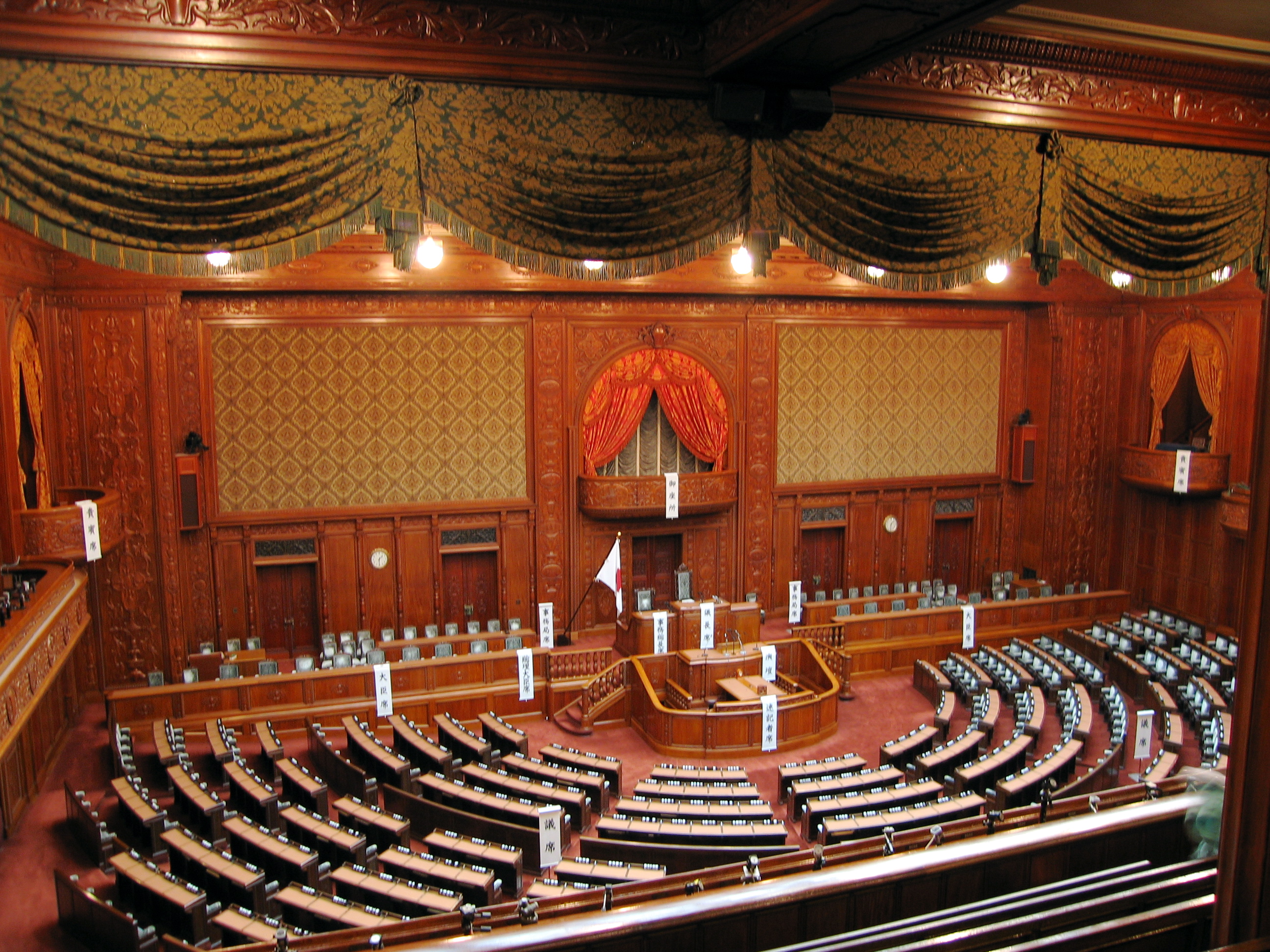
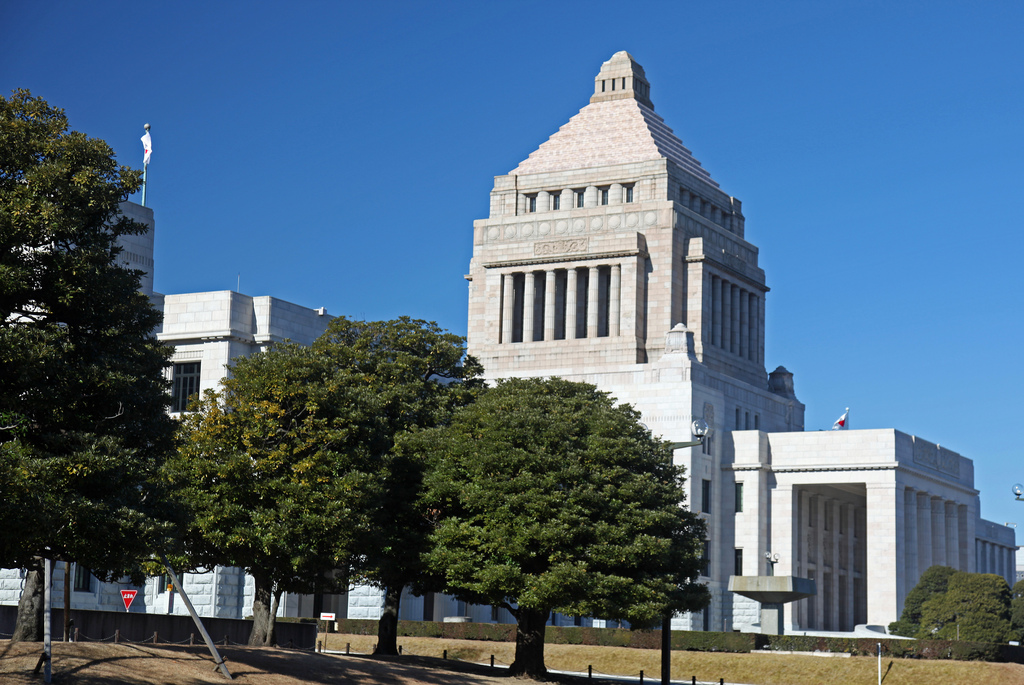
Japan's Legislature is called the National Diet of Japan. Similar to the Australian system of parliament, it is a bicameral legislature. In Japan, it is composed of the House of Representatives and the House of Councillors (Also known as House of Chancellors). The House of Representatives acts as the lower house and the House of Councillors acts as the upper house. This legislature is similar to the Australian system, however, the upper house in the Australian Parliament is known as the Senate.
In Japan, the National Diet is considered as "the highest organ of state power" and "the sole law-making organ of the State" based on the Constitution.
The two houses in Japan are primarily responsible for making laws, approving the annual national budget, instigating the Constitutional amendments, independently investigating the Government and impeaching Judges of the judicial branch convicted of unethical conduct. The Legislature also plays the pivotal role in formally selecting the Prime Minister of Japan.
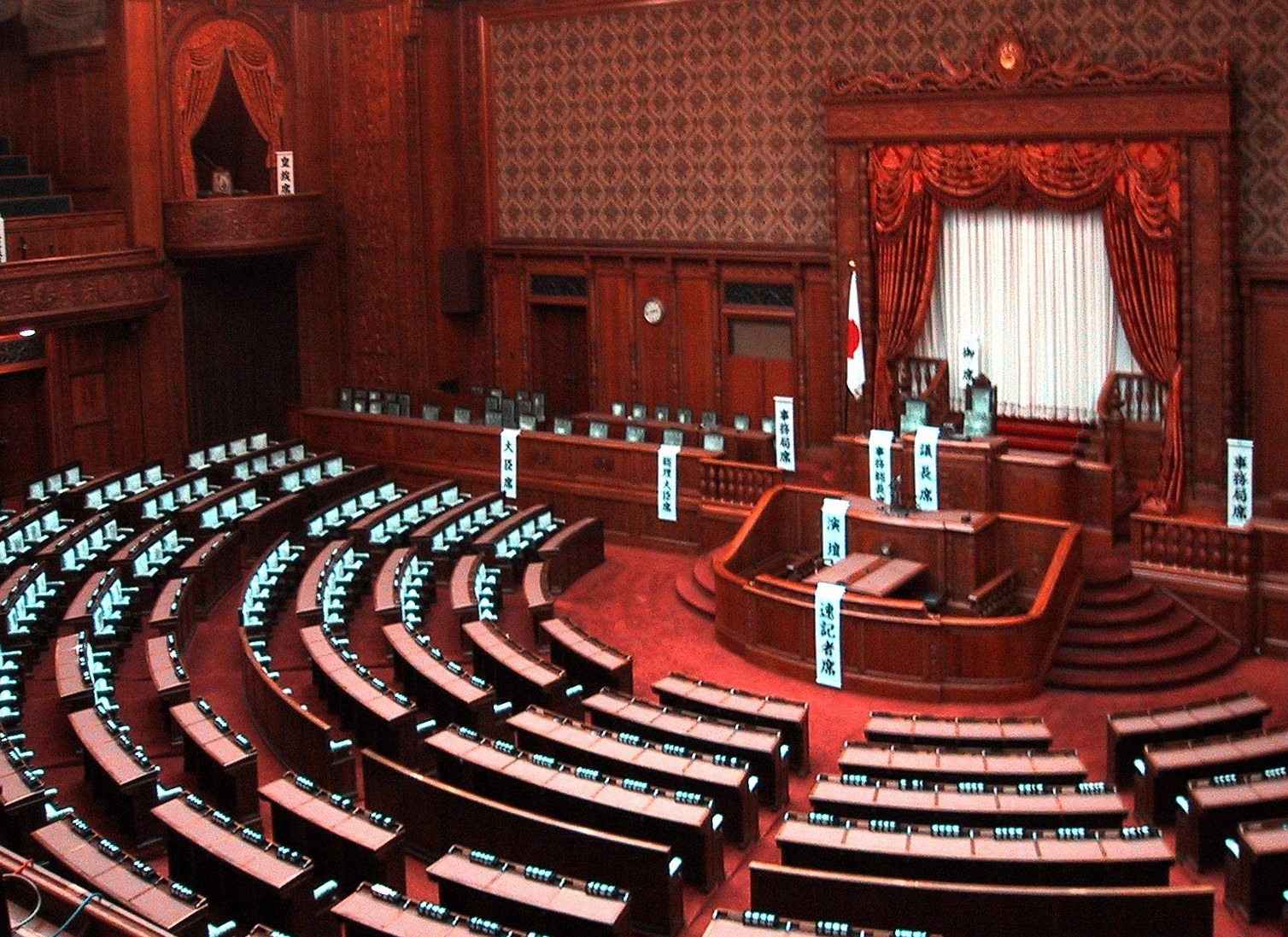
The lower house of the Diet of Japan has 480 members, elected for an unrenewable four-year term. In Australia the lower house consists of 150 members who are elected for a 3 year term which is renewable once. The Upper House in the Diet of Japan has 242 members who serve six year terms. The Upper House of Australia (Senate) is composed of only 76 members.
Electoral System
Suffrage is compulsory in Japan for all citizens over 20 years of age. In Japan, both the Upper House and Lower House are elected through what is known as the parallel voting system. The parallel voting system is a system of voting where the elections are run separately for both houses and the result of the election in one house has little or no impact...
More Government
essays:
The Powers of the Government
... balance system the Legislative branch can check both the executive and judiciary branches as well as a degree of self-checking because it is bicameral. The House of Representatives has the powers of impeachment ...
'The American President is the executive, whereas the British Prime Minister is merely the head of government.' How significant is this distinction?
... approval of the legislature. The Prime Minister appoints his Cabinet, and has powers of appointment regarding the judiciary, and now Life Peers in the House of Lords ...
The First Labour Government of Great Britain
... the House of Commons, they represent a minority of votes in the country. Owing to the anomalies of our electoral system--anomalies ... outside Parliament have been numerous and severe. His constituents did not believe this nonsense and sent him back to the House of Commons ...
Government of France
... unions of employees. Their budget is separate from the national budget. Legislative branch The Parliament of France, making up the legislative branch, consists of two houses: the National Assembly and the Senate; the ...
The advantages and disadvantages of representative democracy
... this system is how representative parliament actually is.. The term representative means the people are represented. This includes all people such as men, women, homosexuals and ethnic minorities. In the House of Lords ...
Malaysia: Rule of Law and Independence of the Judiciary
... the parliament. The judiciary now has limited powers as the parliament sees fit to give. Since the Tun Salleh Abas tribunal, constitutional amendments, and legislation restricting judicial review have further eroded the independence of the ...
The United States House of Representatives Select Committee on Energy Independence and Global Warming.
... the House of Representatives passed The American Clean Energy and Security Act, an example of energy independence and climate legislation, in ... trade system is also recommended to cover a portion of U.S. emissions. Climate legislation should ...
three branches of the government is about just that, the 3 branches of the US government
... The Legislative Branch contains the House of Representatives and the U.S. Senate. The House of Representatives is made up of different committees that work on bills and laws to be presented back to the congress for debate and eventual vote ...