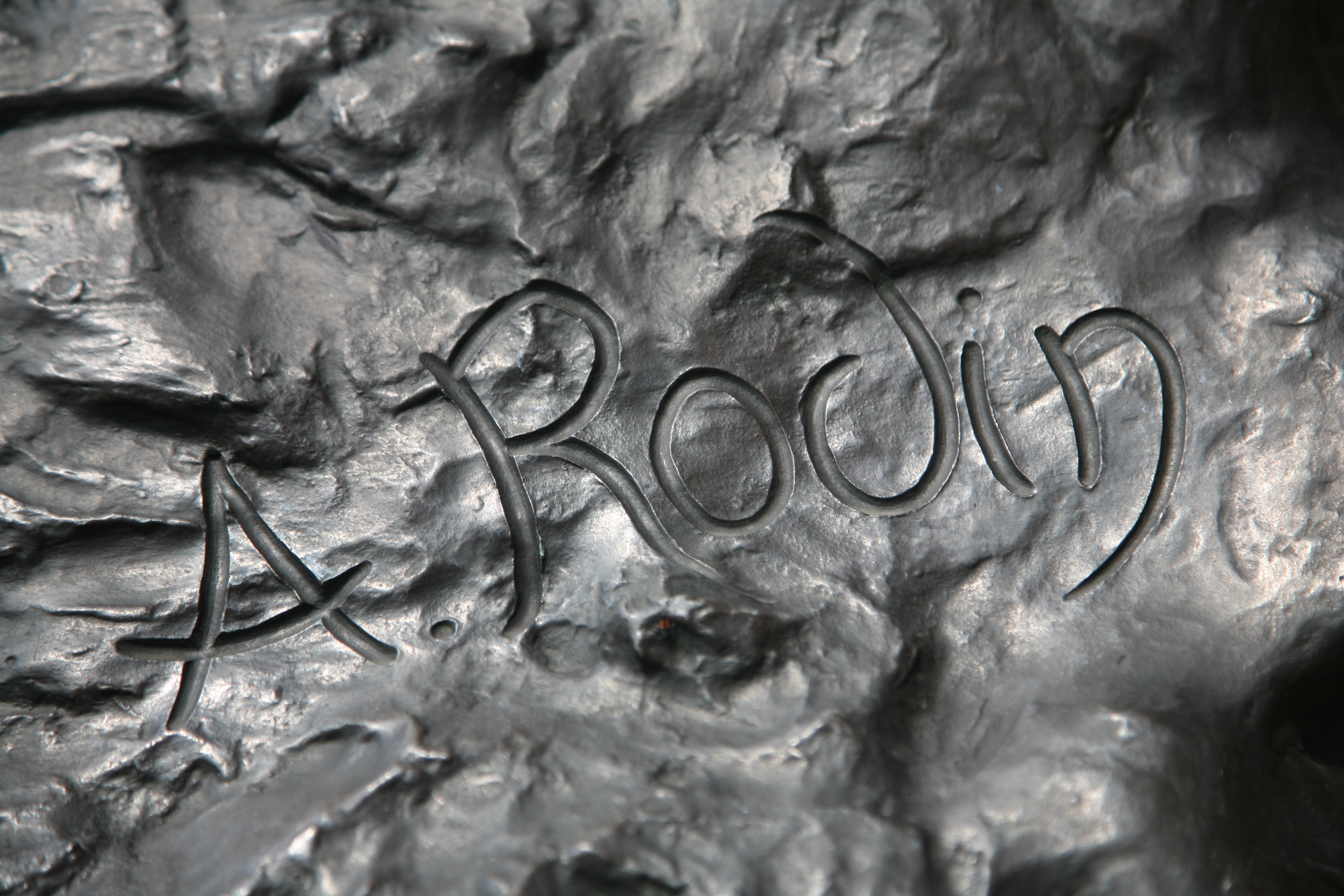
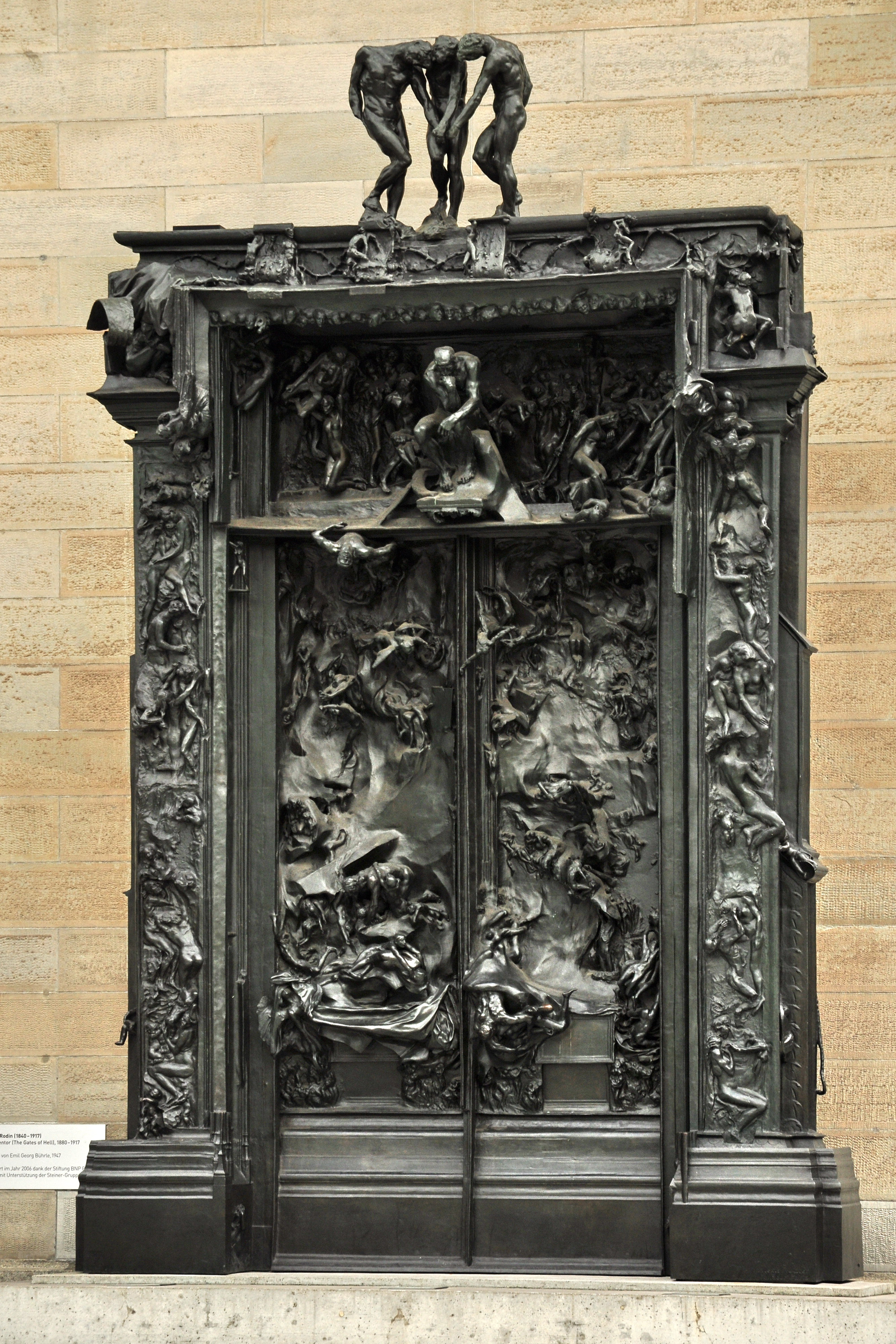
Conava and Rodin. A comparison in styles.
Short Paper. Both work are from the New York Metropolitan Museum of Art. The paper can also be used for Collage. Good, But needs to be a little more specific in some areas.
Canova
Even though both Canova and Rodin were from completely different stylistic periods, they both shared somewhat similar views and influences. "Canova and Rodin are probably the only two sculptors of the nineteenth century who escaped the strictures of an epoch that looked on human life as a succession of events whose banality overwhelms all that is potentially beautiful in existence". Both artist seem to have a deep admiration towards the human body especially the nude body.
The Italian Neoclassical sculptor Antonio Canova was born in 1757. He was born into a family of stonemasons near Venice. He traveled to Naples, Pompeii and Herculaneum where he got a chance to study the Greco-Roman art. His international fame allowed him commissions by such people as Emperor Francis II of Austria, Napoleon and a great many others. Despite his fame aboard, most of Canova's work was commissioned by the Pope. He served as a representative of the Pope in France. He was task with persuading the French government to give back many of the works that had been stolen from the Vatican during the war. He successfully completed his job and even got back Apollo Belvedere, which the Vatican had replaced with Canova's Perseus with Head of Medusa.
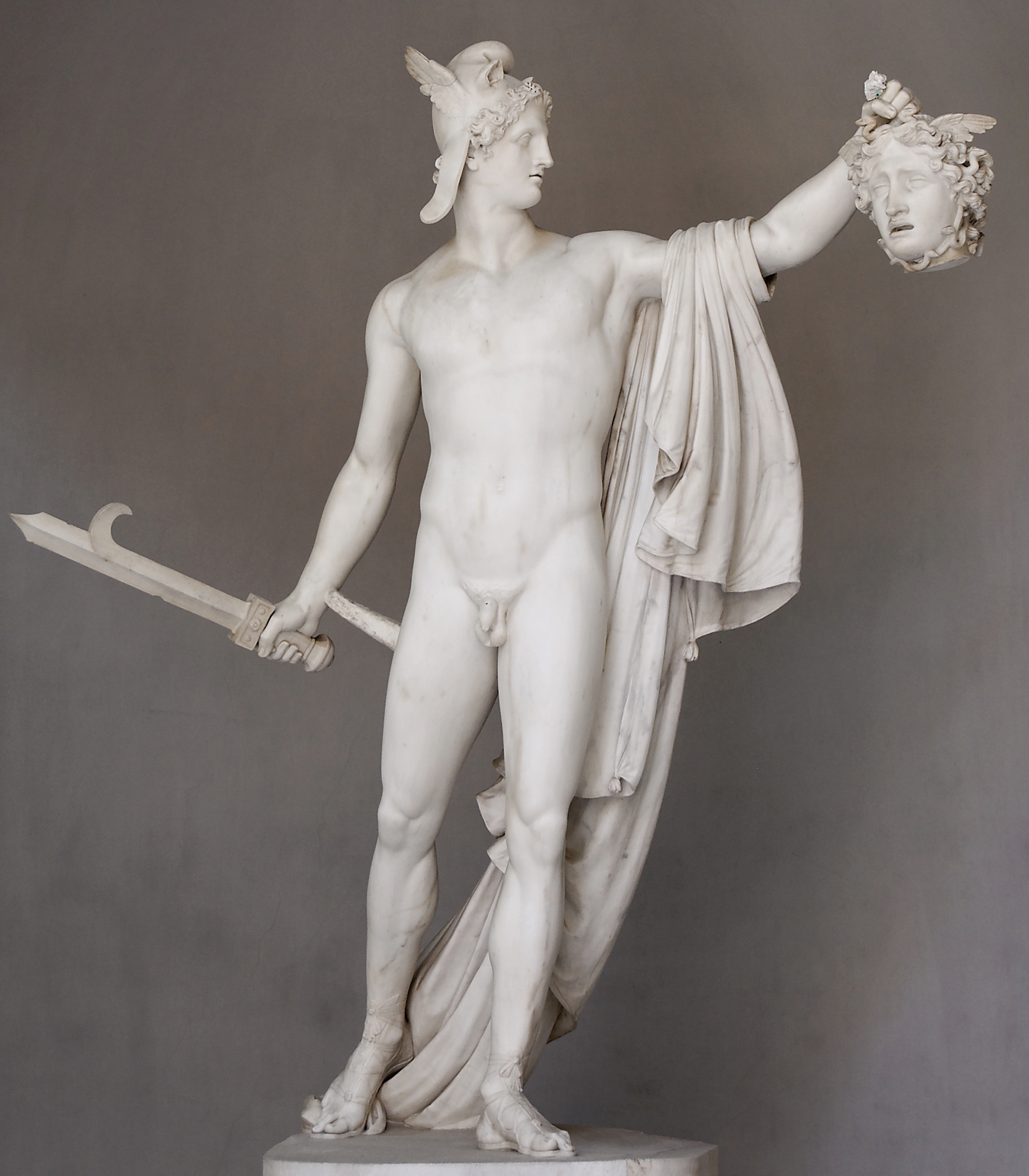
Peseus with Head of Medusa is derived from ancient Greek mythology. The classical subject deals with the young hero Perseus who beheaded Medusa a evil Gorgon who's powers could turn any man that looked at her into stone. The Sculpture was commissioned by the Pope and executed between 1804 and 1806. It shows Perseus standing holding up Medusa's bodiless head on...
Reviews of: "Conava and Rodin. A comparison in styles."
:
More Art Essays
essays:
A study of the political, social and cultural influences on the work of three photographers, Lee Friedlander, Gary Winogrand and Nicholas Nixon.
... and that Winogrand and John Szarkowski, who was the director of photography for the New York-based Museum of Modern Art, revolutionized the photographic aesthetic. In truth, they evolutionized it. There ...
"The Human in Captivity" A juxtaposition between the art within the Cloisters in New York City and the architecture of the Cloisters itself
... Cited Foucault, Michael. Of Other Spaces. The Unicorn Tapestries. The Cloisters, a division of the Metropolitan Museum of Art, New York. Vidler ... back. Belief systems, both religious and not, usually define points of no return that humans are afraid to cross. It is this hesitation that illustrates ...
The Degeneration of Fine Art Museums Into Warehouses for Modern 'Art'
... history of a long and adventurous commitment to contemporary art that is unusual for a museum of encyclopedic nature." Even the Metropolitan Museum of Art has devoted millions of dollars and a brand new, entire ...
Compare and contrast two works of Art
... stanko/baboon.htm Edgar Degas,(1879).Olga's Gallery ,The Metropolitan Museum of Art, New York, USA.Retrived:July 2004, from http://www.abcgallery.com/D ... it is summer . I say this because summer is the period of celebrations and this girl was dancing in a celebration. The ...
A day in the museum of art
... away and mostly missing. As I was wandering around the Metropolitan Museum of Art looking for a second piece, I came across a stunning ... Bernard Palissy's rustic Platter was revolutionary and generated a new trend of movement in ceramic. Now that I have put some thought ...
Art in Reality, Cyberspace and Virtual Space
... distribution of art. It uses the net to promote art just like ordinary companies. Galleries, museums and other art brokers ... Thing New York (http://www.thing.net/thingnyc) The Thing Vienna (http://www.thing.at) International City ...
Themes of Italian Renaissance Art
... gems. Sculptors revisited the possibilities of the nude. Painters, however, didn't have the classical references that sculptors had, so they used mythological subjects. With all of the studying and learning of art in ...
Pop Art of the 1960's
... a professional who contributes information and identifies issues prevalent in contemporary art. One such critic of this period was Donald Kuspit. Kuspit, a professor of art at Stony Brook College in New York, was a critic of a very wide range ...
appropriate
that is some good piece of paper
0 out of 0 people found this comment useful.