In his "Groundwork of the Metaphysics of Morals", Kant puts forward the view that suicide is inconsistent with the idea of humanity as an end in itself, and that ultimately suicide is morally wrong. According to Kant there is one Categorical Imperative, which should act as the supreme principle of morality. Kant highlights the categorical imperative in three different formulations, but emphasises the fact that these formulations essentially state the same thing, and that they should be the basis of the moral law. It is from these formulations that Kant reaches his conclusions about suicide, in many different ways.
 English: , Prussian philosopher. Português: , fil...
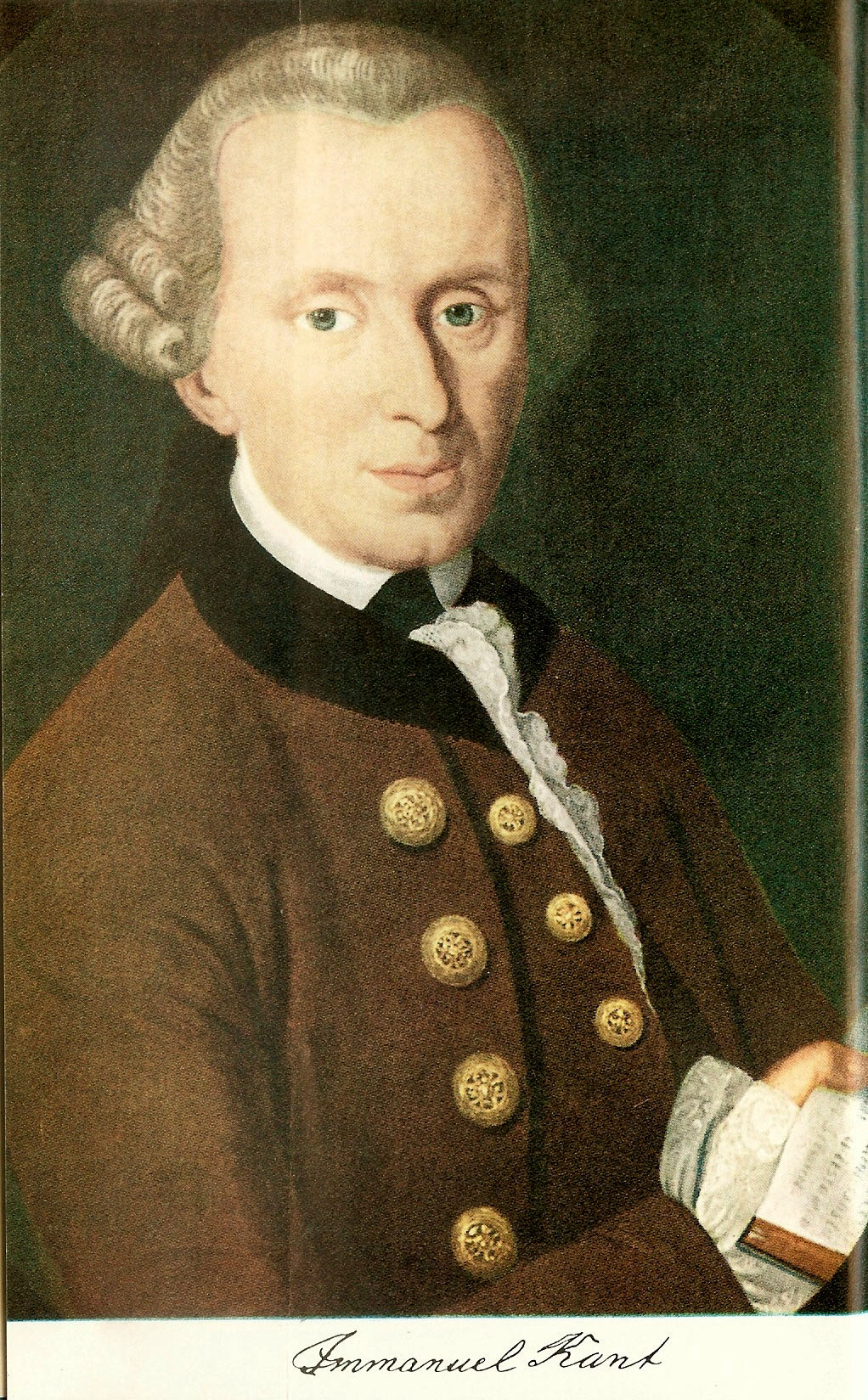 English: Immanuel Kant Deutsch: Immanuel Kant
 Detail of The Death of Socrates. A disciple is han...
Kant first describes the categorical imperative in the following way: "Act only in accordance with that maxim through which you can at the same time will that it become a universal law." The passage on suicide can be analysed against this criteria. The word "universal" here has different meanings for Kant. Firstly it means that all people are bound the law, the categorical imperative. It is not subjective to time or circumstance. Secondly Kant is trying to saw that this law also has no special exceptions. You could easily make a principle based on what one person wants, but it would not be universal because it would give one person special status over another person, and so would not count as a valid moral judgement. Looking at suicide against this criterion, it can be understood that Kant is valid in asserting suicide as immoral due to the fact that, if one was to commit suicide, they would be ignoring the laws in favour of their own circumstance: therefore they would be giving themselves a special status in being allowed to ignore the intrinsic value of human life.
This passage can also be judged by creating the maxim which a...