A critique on Henry Fielding As The First Novelist of English Language
About Henry Fielding:
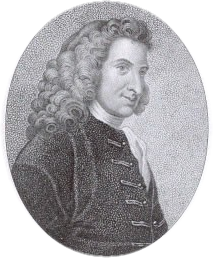
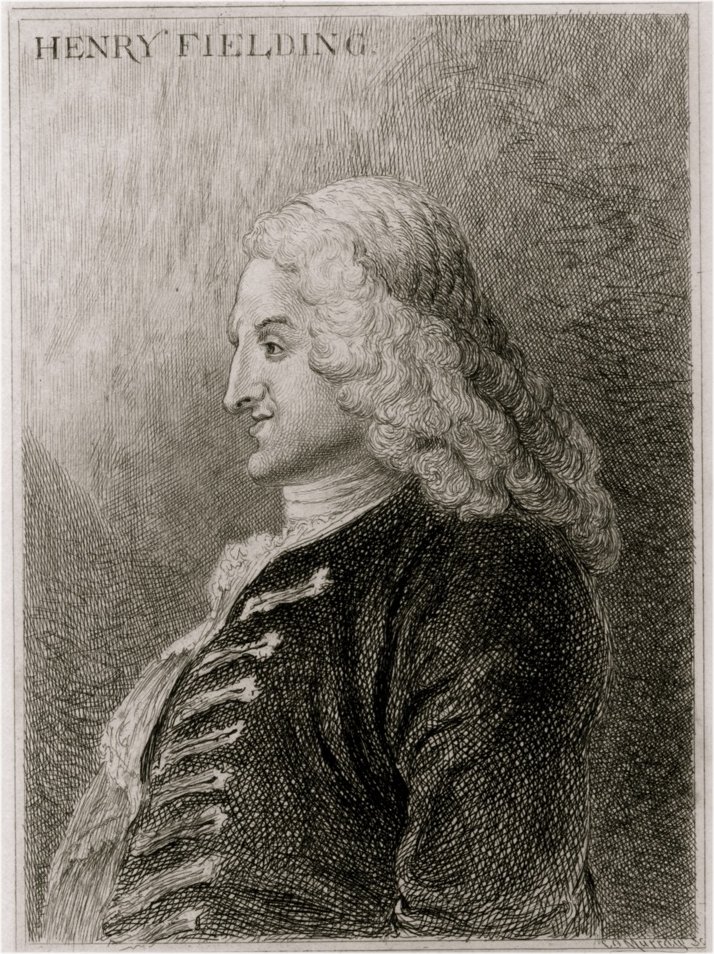
Henry Fielding was born in Sharpham Park, Somerset, England, on April 22, 1707, and died in Lisbon on 8th October 1754. He was a great novelist and a playwright. His contribution to the Novel as a form of expression has been fundamental, and he is therefore known as the founder of English Novel. His major works in the field of Novel include Joseph Andrews and Tom Jones.
Biography: Life before Novel
Fielding belonged to a distinguished family. Henry's father, Col. Edmund Fielding, had served under John Churchill, duke of Marlborough, an early 18th-century general, "with much bravery and reputation." His mother was a daughter of Sir Henry Gould, a judge of the Queen's Bench, from whom she inherited property at East Stour, in Dorset, where Fielding spent some of his childhood. Fielding was quite young, only eleven years old, when his mother died. His father married again, and Fielding was sent to Eton College, where he laid the foundations of his love of literature and his considerable knowledge of the classics. After his studies, he spent some years in leisure, before he went to the University of Leiden in Holland for further studies. However, he had to unfortunatelt return from the university without completing his studies because his father could not pay his allowance and the university expenses any more.
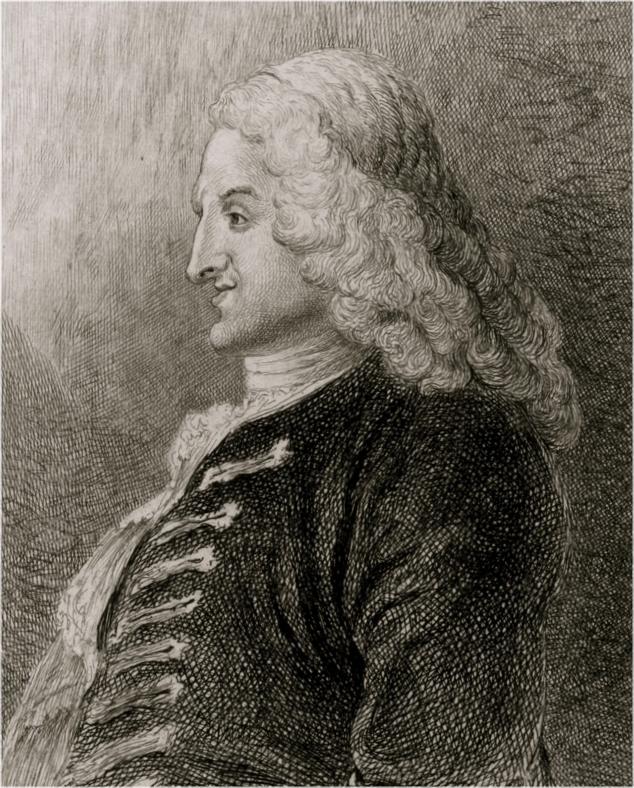
After coming back, he soon started writing plays. It is believed that in all, he wrote some 25 plays. Although his dramatic works have not held the stage, their wit cannot be denied. He was essentially a satirist, and his target was the political corruption of the times. His plays were quite superior in quality and content, and Bernard Shaw interesting commented that Fielding was "the greatest dramatist, with the single exception of Shakespeare, produced in England...
Reviews of: "A critique on Henry Fielding As The First Novelist of English Language"
:
More Authors
essays:
Reasearch paper on Henry V comparing Historical validity as well as the character of Henry V.
... s English Kings: History, Chronicles and Drama. New York: Oxford University Press, 1977. 65-89. Williams, Charles. "Henry V." 20th Century Interpretations of Henry V ...
This is a character sketch on Joe Gargery from the book Great expectations, writen by Charles Dickens
... guy. He lives a simple life in England. He lives with his wife and step son in a small house in the country. They have their differences, but Joe is the "happy medium" of the three. Joe plays a very important ...
This essay is about the Duke Vincentio in Measure for Measure. He is described as the old fantastical Duke of dark corners.
... not just in the figure of the friar that the Duke uses religious arguments. In Act 5.1, the Duke uses the Old Testament teaching 'An ... in Act 5.1, when he says 'sneak not away, sir, for the Friar and you must have a word anon- lay hold on him' The Duke's public image is important to him, and he treats ...
What do you see as the main aspects of Kingship explored in Henry IV Part 2? Explain clearly how the play implies comparisons between King Henry IV and the future King, Hal.
... enemies of the royal family and England will soon be won. Also, that Henry, with the skills of John, along ... seem immoral in ordinary life, for example the brutal rebuffing of Sir John fall to thy prayers, but as Shakespeare shows, they are ...
The Treatment of the Heterogeneous "Army" by Kenneth Branagh and Lawrence Olivier in Shakespeare's "Henry V".
... At the end of the cut we see Gower chuckling and smiling and the quarrel ends, as if the English Captain Gower is symbolic of King Henry who ... scene ends with no resolution, no chuckling like at the end of the Olivier scene. There is no England which binds these men together. In fact, right after my ...
Describe the dramatic effect of Enobarbus as a character focussing on two or three scenes of your choice.
... conflicting worlds that are Rome and Egypt. Another example would be, "O, sir, you had then left unseen a wonderful piece of work." His character captures the sense of drama and falseness about Cleopatra while Antony reiterates the strong Roman work ...
How Does Shakespeare Use Language to Present King Henry both as a Man and a King in "King Henry 5th" by Shakespeare?
... archbishop of Canterbury's explanation as to why England should invade France. Henry is ... scene8, Henry has defeated thousands of French Knights, and this safeguards the fact that God was with the English, he ...
On Mary Wollstonecraft 'A Vindication of the Rights of Woman' (1792)
... development of a Liberal culture that flowed from an increasing societal acceptance of liberal democracy. The intellectual movement of the 17th and 18th centuries, which ...
Paper is good
The paper provides useful information on Henry Fielding and his work.
0 out of 0 people found this comment useful.