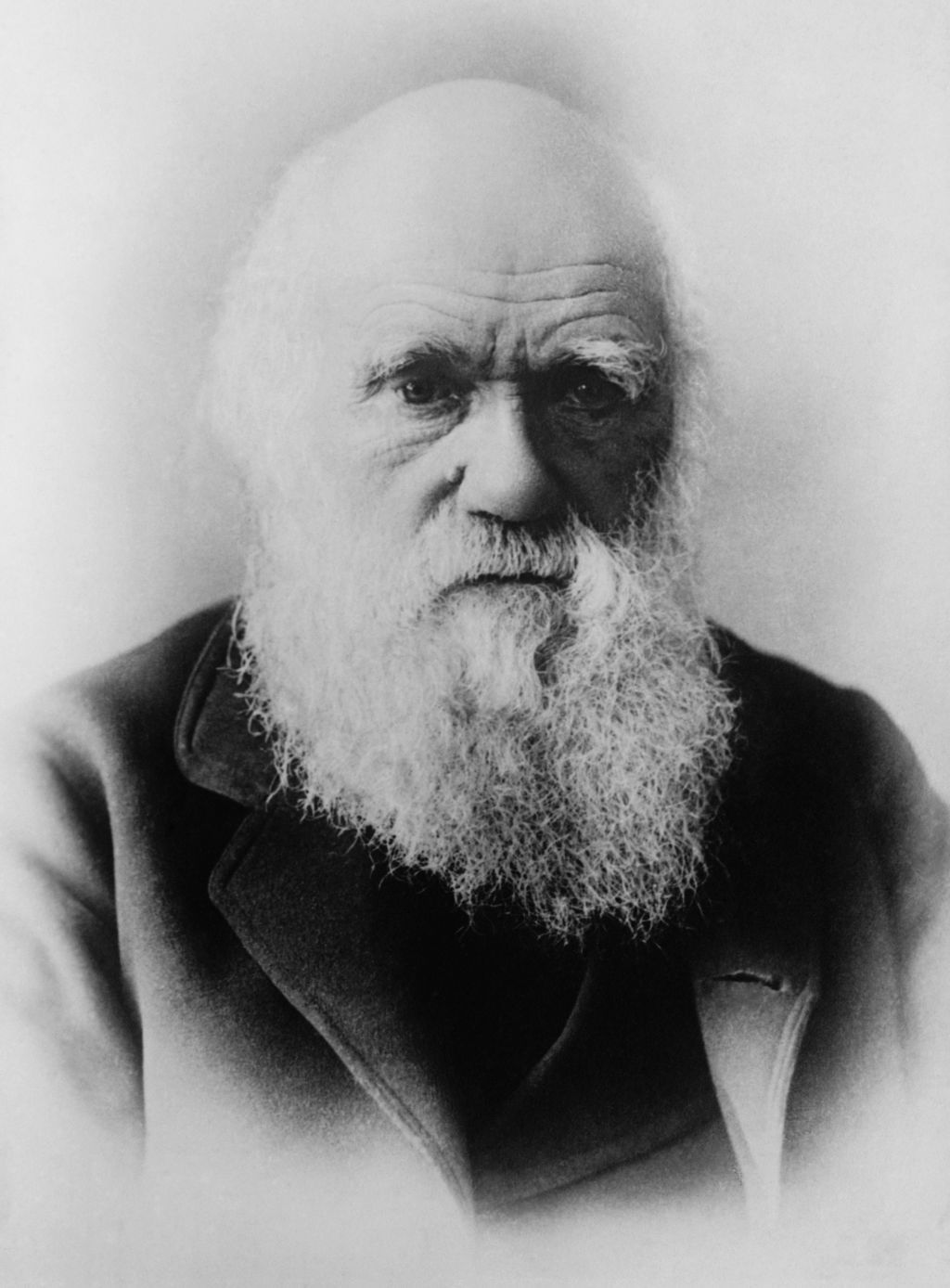
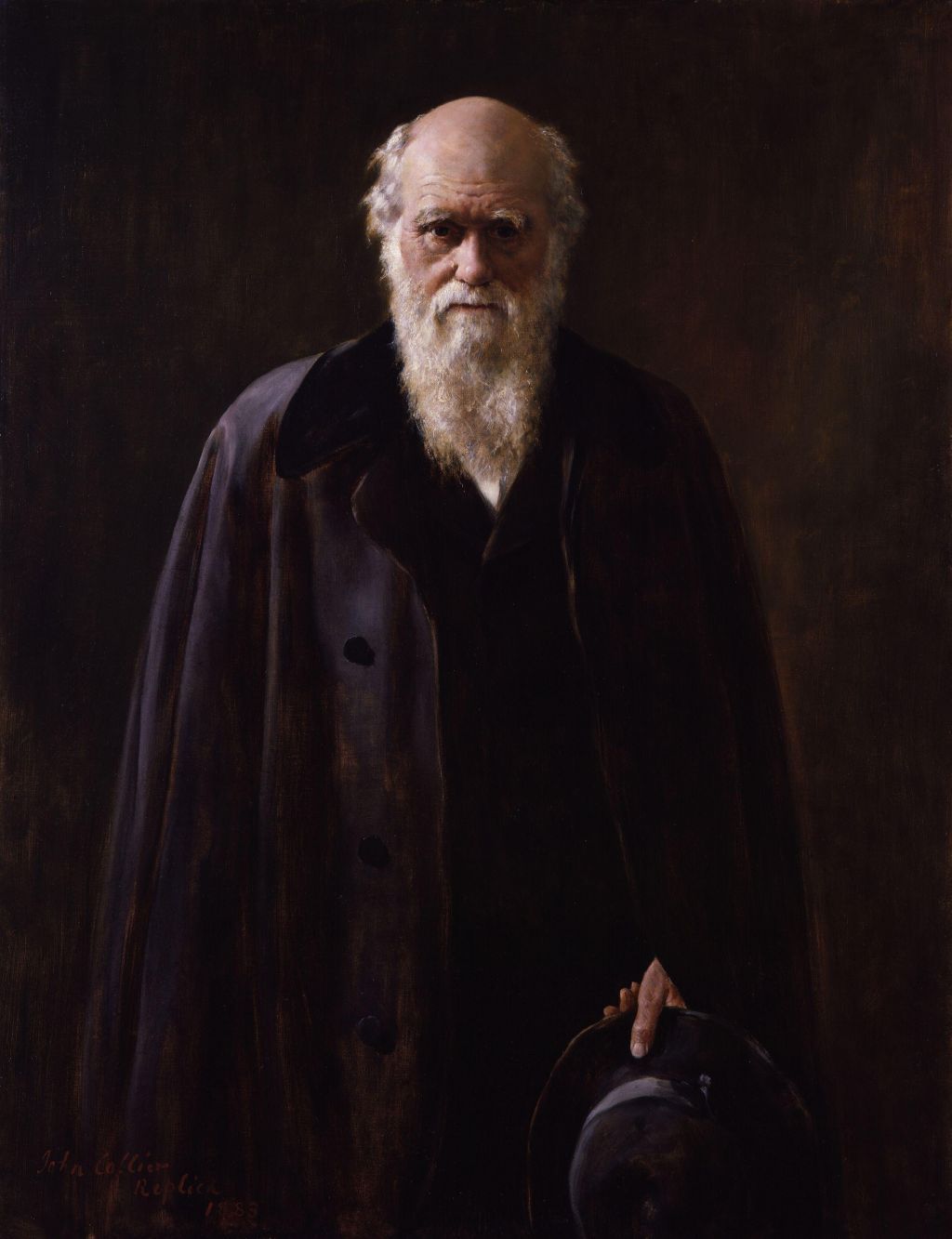
Darwinism - The Theory That Shook The World
The Theory That Shook The World
Other than Mendellson and his studies with genetics,
Darwin has by far contributed the most to our modern science.
From his theories on variation of species to his explanation of
natural selection Charles Darwin has shocked the world by proving
the world older than previously thought and creatures not
immutable. In this present day these theories are as common
belief as a simple mathematical equation such as two plus two
equals four; but in the year eighteen hundred and fifty nine
Darwin not only risked his reputation with these far fetched
findings but also the risk of being excommunicated from the
church. Previous to Darwin the thought had been that the world
itself was only a few hundred years old and that all creatures
were made by God in those seven days as they lived exactly today
(Campbell p 421). Aside from past resistance, Darwin also comes
under scrutiny still today as missing fossils which are to have
been the bridge between a two familiar species are not yet found
(Hitching p 3). Whatever the reason of belief or disbelief in
Darwin's theories, he astounded the scientific world as well as
the public and was able to convince many in the presence of a
misguided past belief. This fact alone makes him one of the most
important people of science ever.
Charles Darwin was born in Shrewsbury-Shropshire,
England on Feb 12, 1809 (GEA & RBi p 42). He was the fifth child
in a wealthy English family with a history of scientific
achievement with his paternal grandfather Erasmus Darwin who was
a physician and a savant in the eighteenth century (GEA & RBi p
42). As a young boy Darwin already showed signs of his love for
nature. When he was not reading...
More Charles Darwin
essays:
"Does Darwin's Scientific Explanation of Humanity Give You Comfort or Cause you Concern? Why?"
... of years, all other species have remained as they were. Charles Darwin's visit to the Galapagos Islands in 1835 inspired his Theory of Natural Selection. The isolation of the Galapagos Islands and its pristine and preserved form presented Darwin with ...
Darwin's analogy with artificial selection to show that natural selection occurs in our environment.
... lineages. Finding proof for natural selection, the mechanism by which evolution occurs, was a far greater challenge for Darwin. Without adequate time and field study, it was almost impossible to see natural selection in action. To this day, "few ...
Charles darwin natural selection
... two hundred years ago we had bows and arrows, then 2000,000 years ago we were apes fighting with banana skins.? You get the idea. While stopped in the Galapagos islands, Darwin realized that if ?present is ...
Natural selection, Charles Darwin
... the science world in the future. Darwin's natural selection is an axiom in science, especially in biology. Nowadays, many scientists still use his theory in science research, like the scientists who find out ...
Charles Darwin's Theory: non-constancy of species, branching evolution, occurrence of gradual change in species, and natural selection
... contributions Charles Darwin contributed to the field of evolutionary biology were: non-constancy of species, branching evolution, occurrence of gradual change in species, and natural selection. Each ...
'The Origin of Species' by Charles Darwin.
... by Charles Darwin, a British naturalist, presented the revolutionary idea that all living things on Earth evolved from organisms. The book itself is in fact an abstract of a 20 volume thesis supporting the concept of evolution by natural selection, which ...
Natural Selection
... 2000). "Darwin's Theory and the Modern Synthesis." In Biology Concepts and Connections 3rd ed. (Pg. 264) San Francisco; Benjamin Cummings Haut, Jennifer (April 5, 2006). "Investigating Natural Selection". Lab ...
Charles Darwin and the Theory of Natural Selection
... I would recommend this book to anyone in the same in the same situation. Works Cited:Charles Darwin and the Theory of Natural SelectionRenee SkeltonBarrons Educations ... being about Darwins early years. This was to give you a background of the actual man. Chapters three thru seven deal with Darwins ...