The Death and Dying Beliefs of Australian Aborigines
Although the Aborigines are often classified as a primitive race whose religion is based upon animism and totemism like the American Indians, the Aboriginal funeral practices and beliefs about death have much in common with other cultures. This paper will discuss the death and dying beliefs of the Aborigines that share a common thread with many popular religions of today. Aboriginal beliefs in death and dying are original in that they combine all these beliefs in a different way. The purpose of looking at the commonalties is to examine the shared foundations of all religions by investigating the aspect of death and dying in a very localized and old set of beliefs.
As in many religions, Aborigines share a belief in a celestial Supreme Being. During a novice's initiation, he learns the myth of Daramulun, which means "Father,' who is also called Biamban, or "Master."
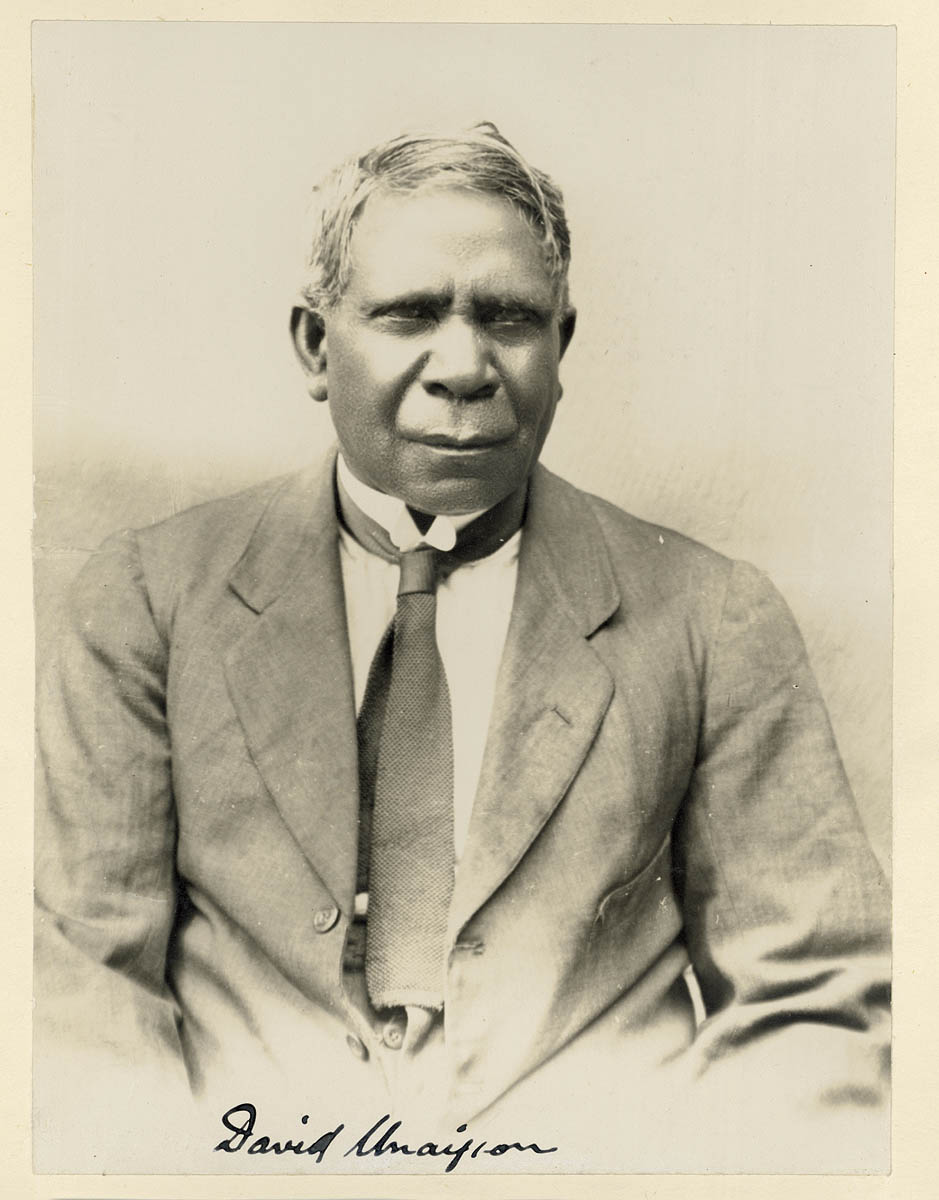 English: From frontpiece of Legendary Tales of the...
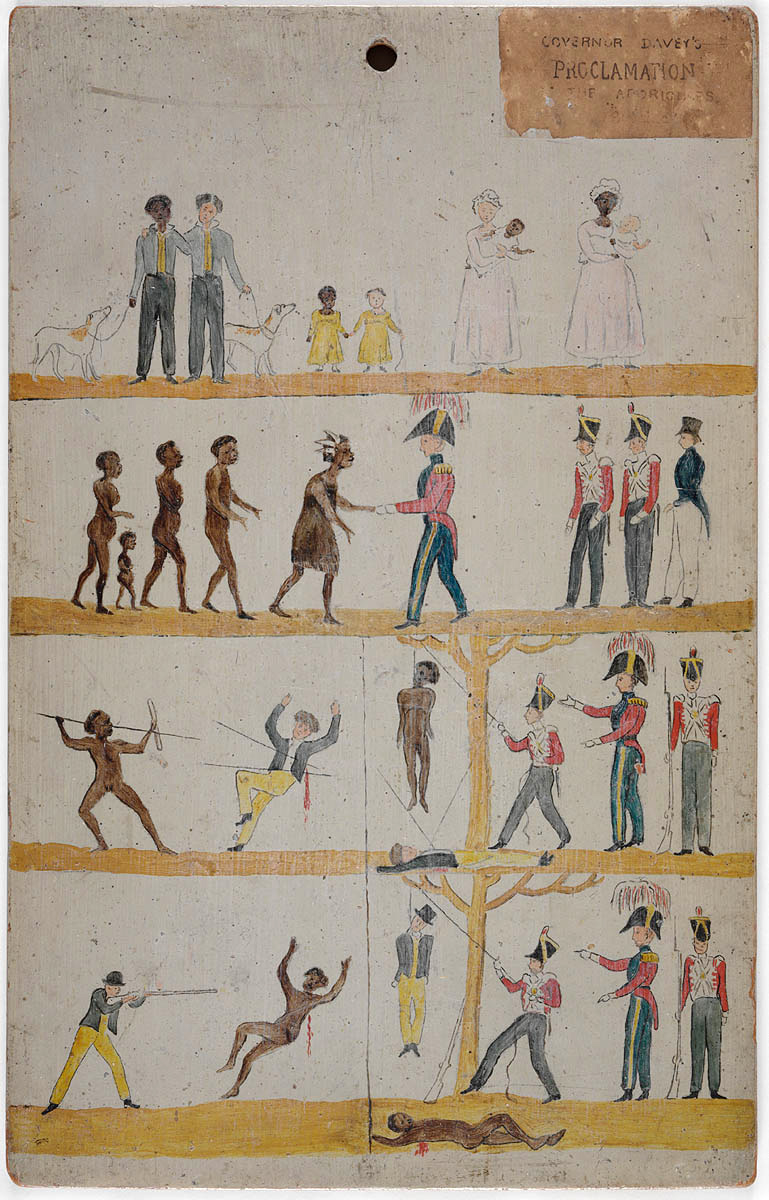 Proclamation board labelled "Governor Davey's Proc...
 Transylvania 90210: Songs of Death, Dying, and the...
Long ago, Daramulun dwelt on earth with his mother. The earth was barren and sterile. There were no human beings, only animals. Daramulun created the ancestors of the tribes and taught them how to live. He gave them the laws that are handed down from father to son, founded the initiation ceremonies and made the bull-roarer, the sound of which imitates his voice. It is Daramulun that gives the medicine men their powers. When a man dies, it is Daramulun who cares for his spirit. This belief was witnessed before the intervention of Christian missionaries. It is also used only in the most secret initiations of which women know nothing and are very central to the archaic and genuine religious and social traditions. Therefore it is doubtful that this belief was due to missionary propaganda but is truly a belief of the Aborigines (Eliade, 1973).
Another belief...