For many years, capital punishment has been the focus of heated and often bitter debate within the legal community. Inevitably, the Supreme Court of the United States has been at the core of the controversy. In the early 1960s, NAACP Legal Defense Fund attorneys arguing before the Supreme Court secured stays on the use of the death penalty in all states, which the court overturned in favor of execution in 1971. The next year, however, in Furman v. Georgia, the court reduced the use of the death penalty by abolishing Georgia laws that gave complete discretion to a sentencing judge or jury in deciding whether or not to execute prisoners. In 1976, Gregg v. Georgia was submitted to the Supreme Court to test the constitutionality of capital punishment. After much review and debate, the justices decided that the death penalty did not violate the Eighth Amendment's prohibition of "cruel and unusual punishment," therefore the death penalty was permissible.
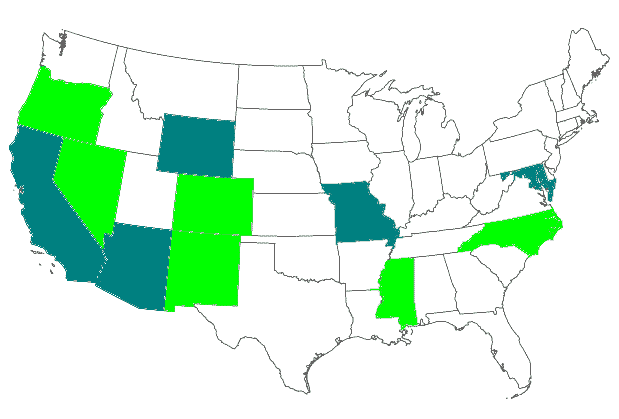 US gas chamber usage
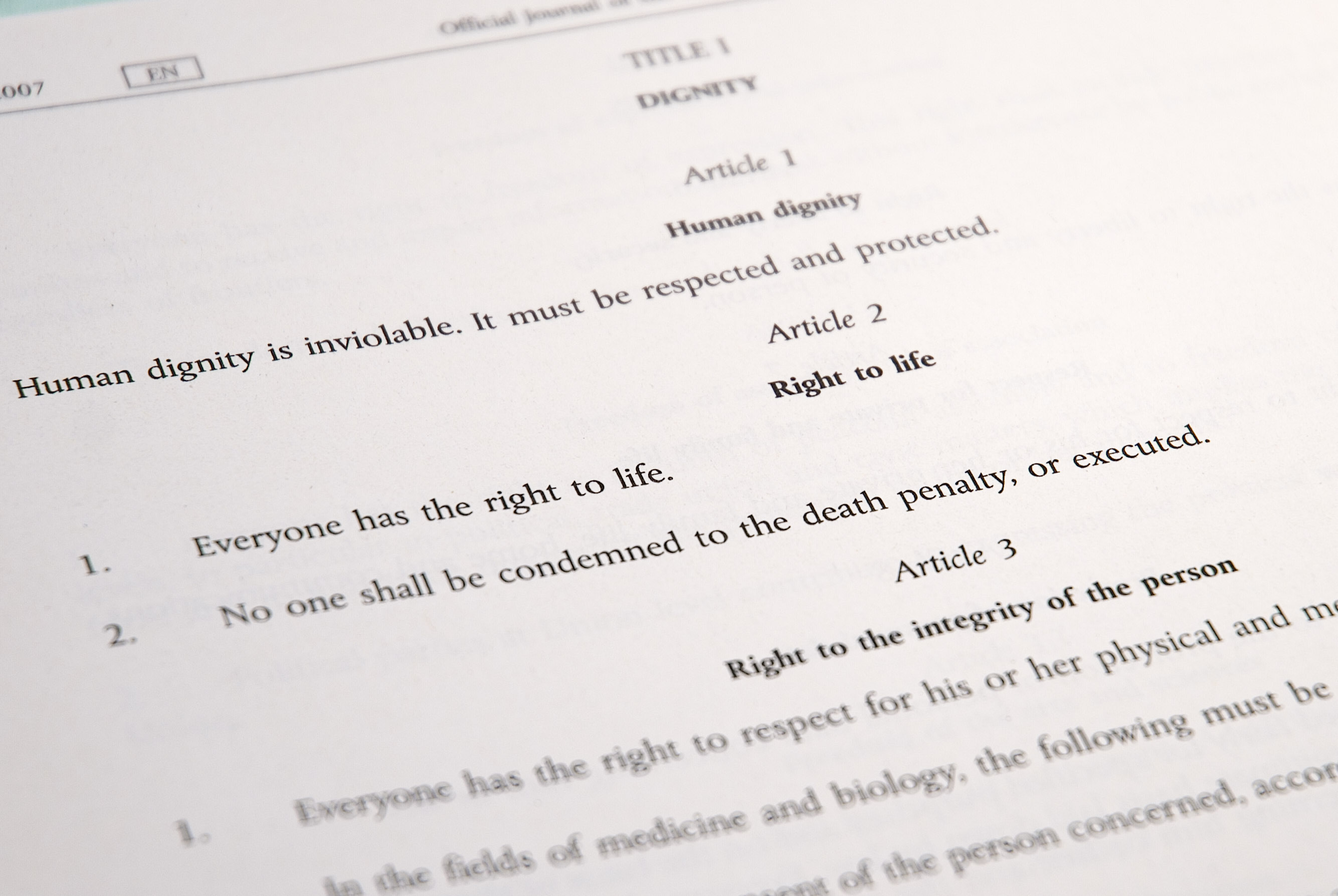 Article 2 of the Charter of Fundamental Rights of ...
 An ad from the Ecologist Green Party in Mexico pro...
The selections I agreed with were those by Justice Thurgood Marshall and Justice William Brennan.
Brennan and Marshall strongly disagreed with the position that the death penalty is justifiable simply because the U.S. Constitution does not forbid it. Marshall states,
"The death penalty, I concluded is a cruel and unusual punishment prohibited by the Eighth and Fourteenth Amendments. That continues to be my view..."
Marshall also stated, which I strongly support, that "capital punishment is not necessary as a deterrent to crime in our society."
They asserted that the Court should treat the Constitution as a living document, not a remnant. According to Brennan, those who assume modern jurists can unfailingly interpret how the Framers would respond to modern issues "turn a blind eye to social progress and eschew adaptation of overarching principles to specific contemporary issues."
Brennan and Marshall also believed...
Good call
An interesting and well-argued opinion piece.
3 out of 3 people found this comment useful.