Defining the Reign of Terror during the French Revolution.
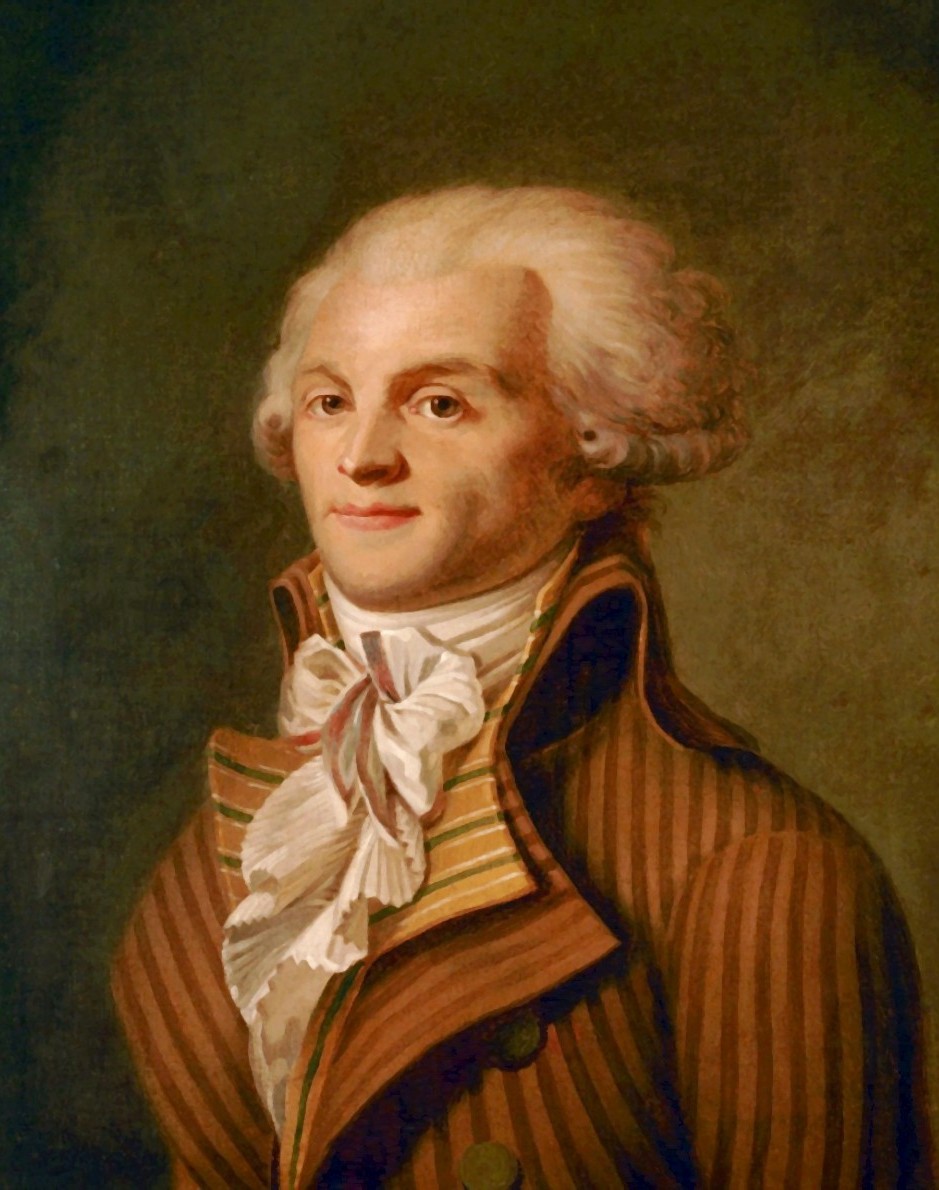
By 1789 the French monarchy was nearly powerless and, for all intensive purposes, the National Assembly was the current government of France. Maximilien Robespierre encouraged the people of the Third Estate to take action, resulting in such events as the storming of the Bastille in Paris and in acts of violence out in the French countryside. The vast majority of the French population supported Robespierre's efforts. His popularity grew further as he gave speeches to the public about the issues of French society, such as suffrage and equal rights for all, regardless of race or religion. Robespierre had a reputation of being the most honest leader of the revolution and became known as "incorruptible" for his fair attitude towards all (Schama 19). In 1791 the National Assembly had created a constitution that would limit the King's power in France, however the royal family had attempted to flee rather then sign it. The King was arrested and taken officially out of power. As a leader in the Jacobin Political party, Robespierre campaigned strongly to have Louis XVI punished for his actions, culminating in a speech which brought almost total support for the end of the French monarchy and stopped the growth of the political parties, such as the Girondists, which wished to replace the monarchy with a new constitution (Loomis 8). The French people no longer wanted to be ruled by a King, and they showed it in an overwhelming vote for the Jacobin Party. As Robespierre once said, "Europe cannot conceive of life without kings and nobles; and we cannot conceive of it with them. Europe is lavishing her blood to preserve her chains, whereas we are lavishing ours to destroy them"(Loomis 1). The French people were done with their King, but that statement made the other European monarchs nervous.

More The French Revolution
essays:
What were the causes and the effects of the French Revolution?
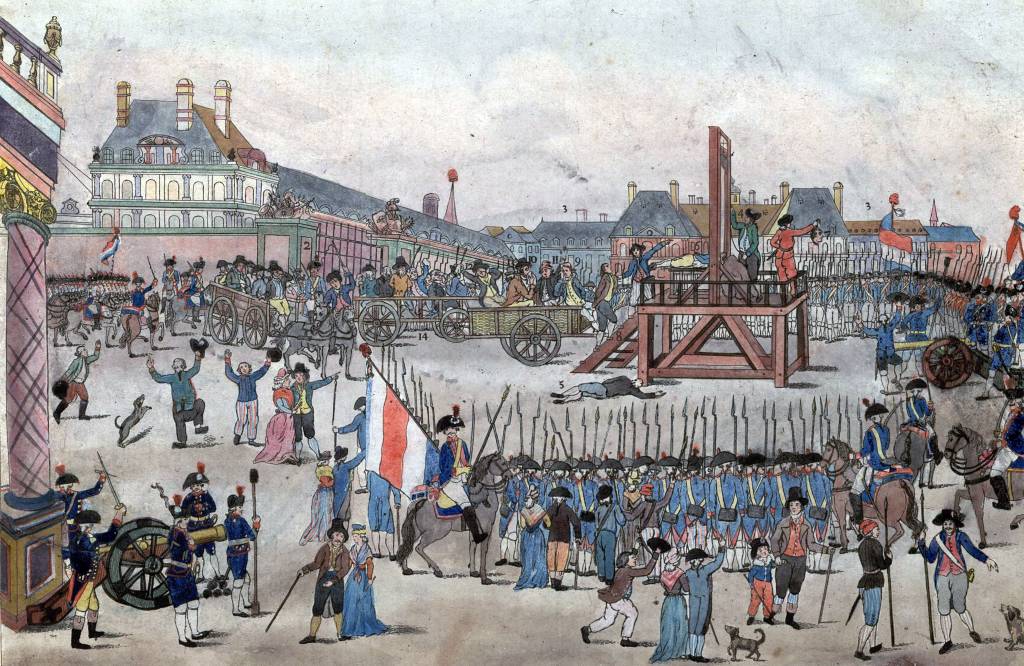
... executions of the people were still needed in society. The National Convention then arrested Maximilien Robespierre, and executed him, which ended the Reign of Terror. Between the years of 1789 and 1794, French life ...
French revolution
... executions of the people were still needed in society. The National Convention then arrested Maximilien Robespierre, and executed him, which ended the Reign of Terror. Between the years of 1789 and 1794, French life ...
Reign of Terror was during the French Revolution.
... in France, one which instigated the mass revolt that caused the storming of the Bastille. The causes for the Reign of Terror in the 1790s cannot be isolated without examining first the leading causes of the French Revolution ...
Maxilmilien Robespierre and his influence on the Reign of Terror during the French Revolution.
... throughout the French government, Robespierre refused to be affected by bribery or corruption. When he was elected into the deputy, his job involved being exposed to millions of francs each ...
The Reign of Terror and the French Revolution
... fact, the storming of the Bastille was merely a hole in the dike, and more would follow. The National Guard, the Paris Commune, the September Massacre, are all words that the French would ...
This essay talks about the French Revolution. It talks about the causes and effects of the it. It focuses a lot on the king of France during this time.
... National Assembly, were outraged. They gathered outside of Bastille. Bastille was the old fortress that was used as a stated prison. The people of France despised Bastille because it represented everything that angered them about the French government. The government acted ...
French Revolution- Reign of Terror
... abolished the constitutional monarchy. The Jacobins (political group of the French Revolution led by Robespierre) pressed for the trial of the monarch who was then condemned as a traitor and was executed on the 21st of January 1793. The National Convention ...
Was Napoleon the son or the enemy of the French Revolution? In this essay, I will try and investigate whether Napoleon Bonaparte brought a positive change to France or was he just another tyrant.
... a national hero and a role model to the non-French as well. Today, Napoleon is an embodiment of one of the influential and strongest leader that has ever existed in the world ...