1.Active Immunity: Immunity resulting from the development of antibodies in response to the presence of an antigen, as from vaccination or exposure to an infectious disease.
Adrenal: 1.At, near, or on the kidneys.
2. 2 Of or relating to the adrenal glands or their secretions.
Aids: A severe immunological disorder caused by the retrovirus HIV, resulting in a defect in cell-mediated immune response that is manifested by increased susceptibility to opportunistic infections and to certain rare cancers, especially Kaposi's sarcoma. It is transmitted primarily by venereal routes or exposure to contaminated blood or blood products
Alcoholism: 1.The compulsive consumption of and psycho physiological dependence on alcoholic beverages.
2.2.A chronic, progressive pathological condition, mainly affecting the nervous and digestive systems, caused by the excessive and habitual consumption of alcohol.
3.Temporary mental disturbance and muscular in coordination caused by excessive consumption of alcohol.
Allergy1. An abnormally high sensitivity to certain substances, such as pollens, foods, or microorganisms.
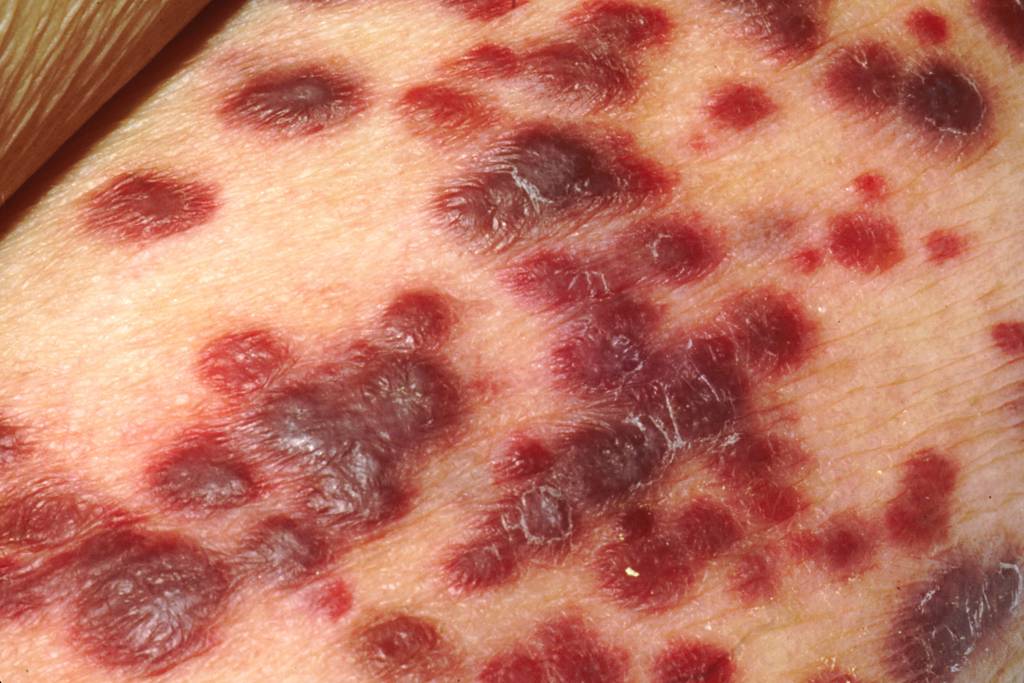 Title: AIDS: Pathology: Patient: Kaposi's Sarcoma ...
 PTRS168 0715
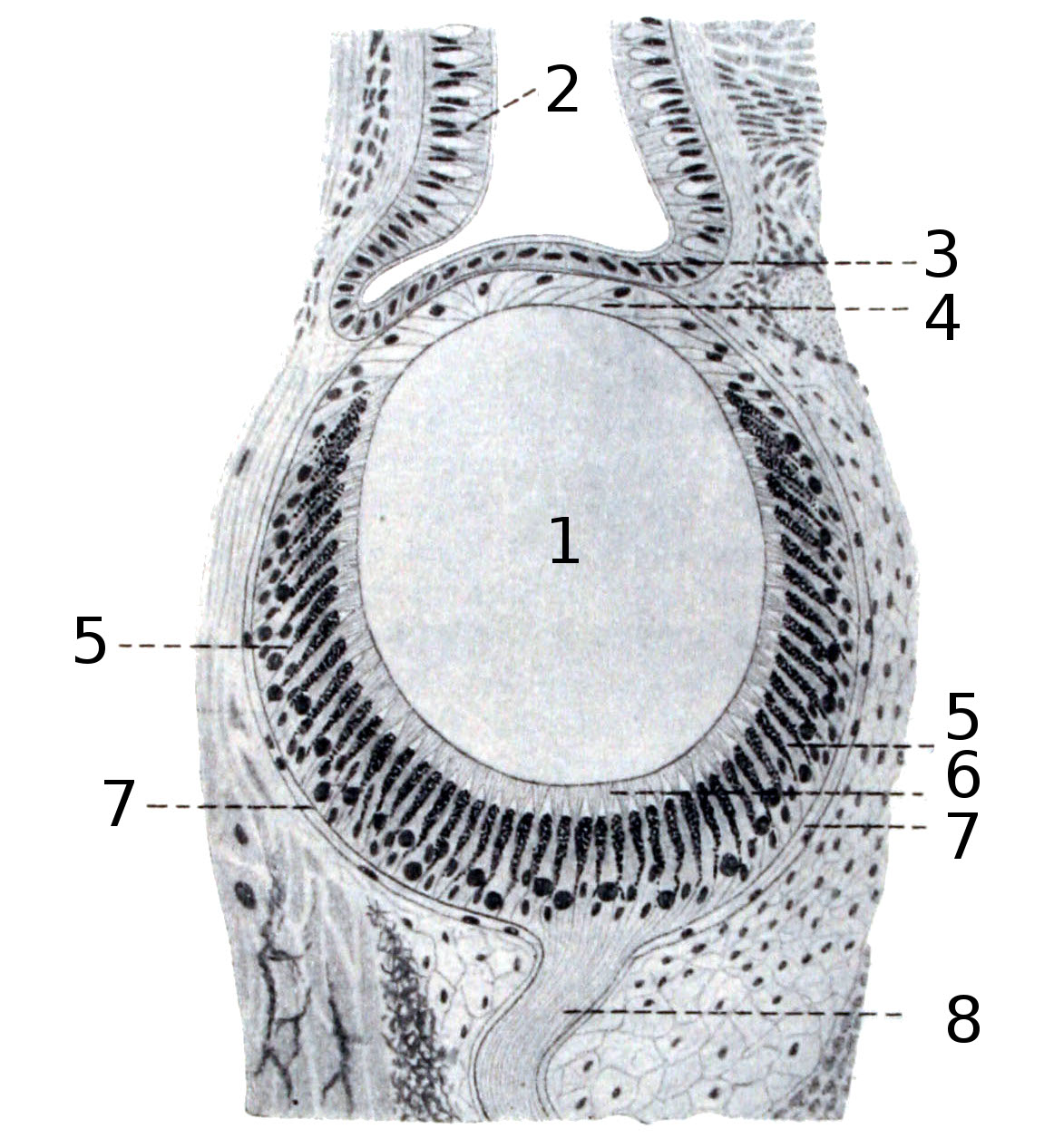 Drawing of cross section of the tentacle with and ...
Common indications of allergy may include sneezing, itching, and skin rashes.
3.2.Informal. An adverse sentiment; antipathy
Alveolus: 1.A small angular cavity or pit, such as a honeycomb cell.
2.A tooth socket in the jawbone.
4.3.A tiny, thin-walled, capillary-rich sac in the lungs where the exchange of oxygen and carbon dioxide takes place. In this sense, also called air sac.
5.Amino acid: An organic compound containing both an amino group (NH2) and a carboxylic acid group (COOH), especially any of the 20 compounds that have the basic formula NH2CHRCOOH, and that link together by peptide bonds to form proteins.
Antibody: A protein substance produced in the blood or tissues in response to a specific antigen, such as a bacterium or a toxin. Antibodies destroy or weaken bacteria and neutralize organic poisons, thus...