Design a Network Infrastructure Because Networks are Configured in Many Ways, Network Systems and Data Communications Analysts are Needed to Design, Test, and Evaluate Systems Such as Local Area Networks (lans)
Cover Page
Network systems and
Data communication
Design a network infrastructure
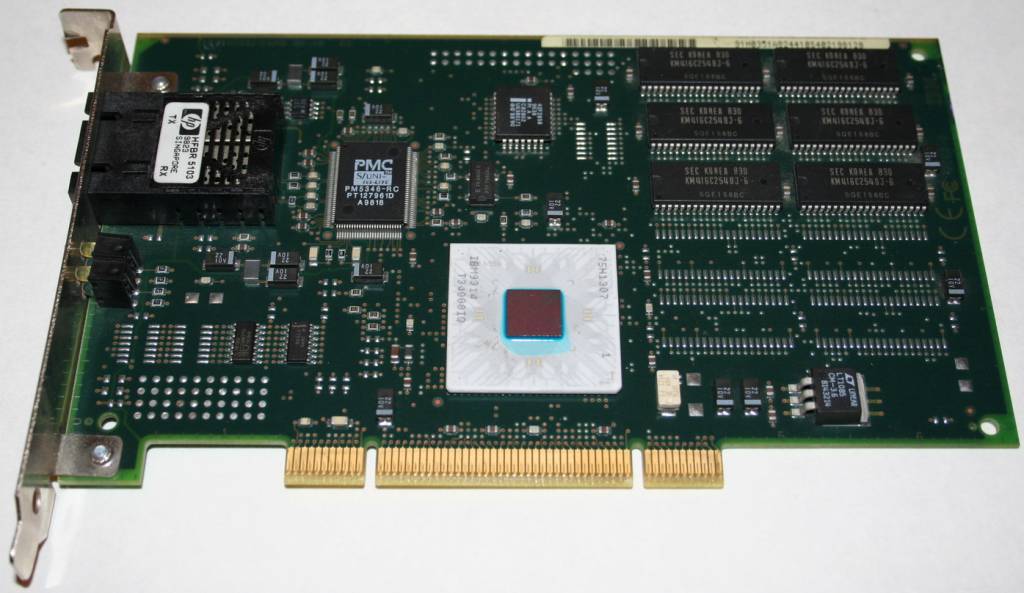
Because networks are configured in many ways, network systems and data communications analysts are needed to design, test, and evaluate systems such as local area networks (LANs), wide area networks (WANs), the Internet, intranets, and other data communications systems.
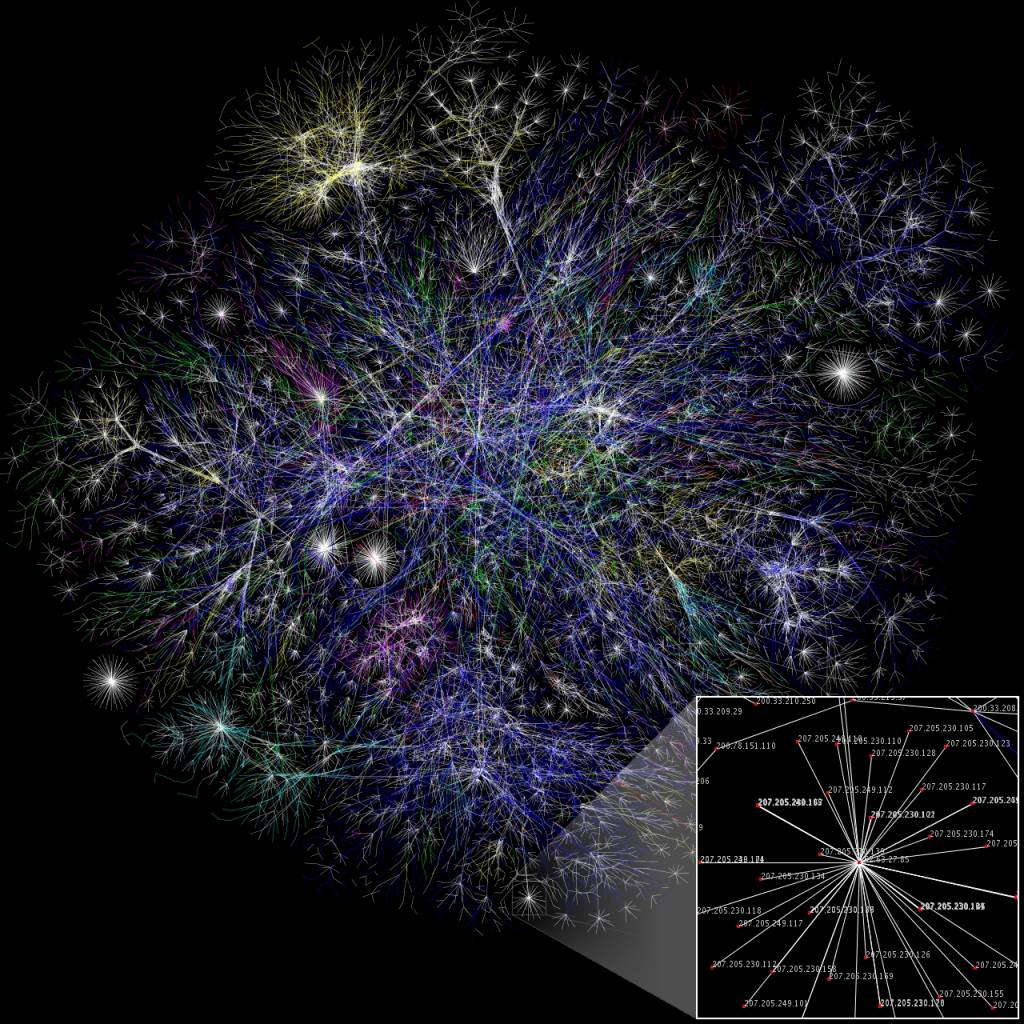
The term WAN (Wide Area Network) refers to a network, which covers a large geographical area, and use communications circuits to connect the intermediate nodes. WAN's are used across a city, country or even around the globe. Typical transmission rates are 2 Mbps, 34 Mbps, 45 Mbps, 155 Mbps, and 625 Mbps but can be even more than this. A WAN consists, basically, of two or more LANs (Local Area Network), which are connected to each other using WAN technologies under a high-speed communication. The largest and probably the best example of a Wide Area Network is the Internet. WAN technologies generally function at the lower three layers of the OSI Model: the Physical Layer, the Data Link Layer, and the Network Layer (all layers are shown in order below). . Bridges, routers and multiplexers and other devices are used for correct data transmission. Some WANs are extremely widespread (global), but most do not provide true global coverage. Organizations supporting WANs using the Internet Protocol are known as Network Service Providers (NSP's). These form the core of the Internet.
The OSI (Open System Interconnection) Model: -
Application
Presentation
Session
Transport
Network
Data Link
Physical
Addressing and routing
On a Wide Area Network, the routing of data is done mainly using TCP/IP (Transmission Control protocol/Internet Protocol).
TCP is the protocol, which "enables two hosts to establish a connection and exchange streams of data. TCP guarantees delivery of data and also guarantees that packets will be delivered in the same order...
More Internet and networking
essays:
Wide Area Networks
... Multimegabit Data Services, a high-speed switched data communications service offered by telephone companies that enable organizations to connect geographically separate local-area networks (LANs) into a single wide-area network (WAN). Prior ...
Networks and Modern Communications
... information systems simply because they were unable to support widespread geographical extension of the sophisticated practices being developed at the local level. Replacement of the existing physical infrastructure with one drastically more capable is gradually bringing Wide Area Networks ...
Virtual Private Networks
... are global. Common Configurations: There are two common configurations of Virtual Private Networks that a can be implemented: 1) Remote Access, which connects individual remote computers to a centralized Local Area Network (LAN) and 2 ...
The Internet, any source of information right under your finger at the press of a button
... the Internet. The ARPANET was not the only network of this time. Companies had their own Local Area Network or LAN and Ethernet ...
This discussion will focus on answering machines and the caller identification system, and how this technology affects our leisure time, our business interactions, and our personal relationships.
... system, and how this technology affects our leisure time, our business interactions, and our personal relationships. The history and progression of this technology is documented to collectively show the impact that it has had in our world. The control of communication ...
Video On Demand
... small system, and due to the 'shared' nature of a token ring FDDI architecture , it should not be implemented for larger (1000+) systems. ATM provides the highest BW and probably the most expensive network solution ...
Digital divide,
... computer and network resources in schools, libraries, and community centers. Also, there is the Intergenerational Internet project. Intergenerational Internet project ...
Introduction to ISDN
... same nodes to the desired address location. When the X.25 packet specification was developed in the 70's the state of the public network required it to support extensive and robust error detection and data re-transmission procedures ...