The development of modern Australia
The 1901 constitution still did not recognise the fact that Indigenous Australians owned the Australian land before the British settlers came. In fact, it stated that 'aboriginal natives' were not to be counted as Australian citizens. This meant that Indigenous Australians did not have federal protection. They could not receive federal government aid, such as pensions and could not vote in federal elections.
Each state made its own rules with regard to indigenous Australians. They made laws that banned them from going to certain places. They made it illegal for them to drink alcohol. They made laws that permitted children of Indigenous Australians to be taken away from their parents and brought up by Europeans.
Many Australians were not happy with the way the state governments treated Indigenous Australians. In 1957m, over 0 per cent of Australians voted to change the Constitution and give the federal government the power to make laws for Indigenous Australians. Since that time, Indigenous Australians have gradually gained more rights under Australian law. In recent years, judgements made by the High Court have forced the federal government to make new laws about their rights to own land. However, Indigenous Australians still have many special needs that are not recognised under Australian law.
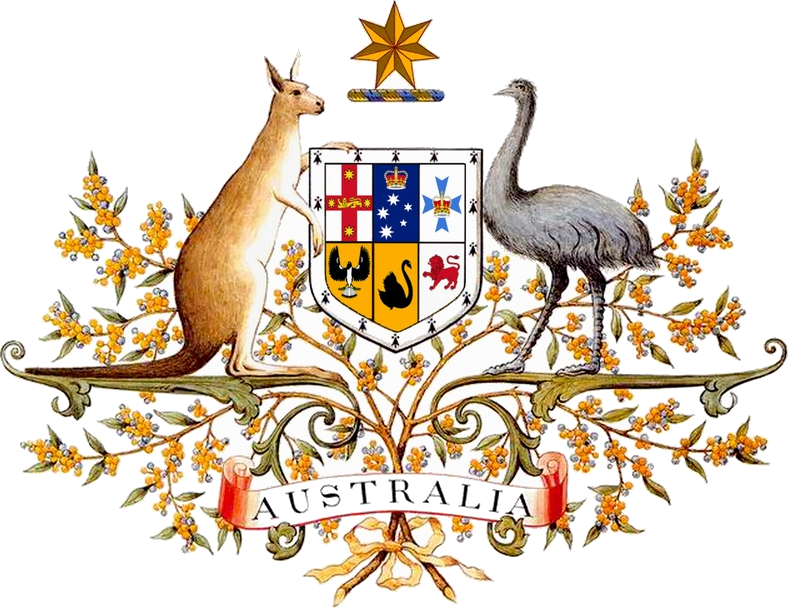
The change, throughout the 20th century, was certainly dramatic in terms of Indigenous rights and the success of these improvements is certainly symbolised through Kathy Freeman, an Aboriginal Australian, being chosen to light the cauldron at the Sydney 2000 Olympics and carry both the Australian and Aboriginal flags after her victory
The constitution gave the federal government the power to decide foreign policies conti for all Australian states. However, for many years, Australian foreign policies continued to be dictated by Britain. In fact, until 1931, Australians were not allowed to send its own diplomats...
More World History
essays:
The Importance of the French Revolution and Napoleonic Era to the Development of Modern World History
... practice this fully during his reign?' critics might ask. What are the things that Napoleon didn't do in regard to equality? Most people would say that he didn't protect the ...
Atomic Energy and The Development of Drugs
... the Federal Bureau of Investigation (FBI) from May 10th, 1924 until his death on May 2nd, 1972. To date, Hoover is the longest- serving leader of an executive branch agency in the United States, having ...
Research paper---The writing of Günter Grass, Thomas Mann, and Eliezer Wiesel displayed social protest towards the Nazi regime in Germany through their literature---includes works cited
... seems to be the only one who realizes what the Nazis are planning. This book has been praised for its imaginatory motives and extraordinary characters. However, when it was published, the government rejected ...
The development of Nuclear Weapons.
... policy that brings compliance by foreign governments. The political benefits bestowed on the USA and Soviets were followed by other states. GB independently developed nuclear weapons after WW 2 and exploded its first bomb in 1952. British saw ...
The Development of the Atomic Bomb and its Impact on WWII
... progress in nuclear fission continued to filter in, Szilard also realized the importance of warning the United States Government that Hitler might be ... plutonium production to a site on the Columbia River near Hanford, Washington. At this point the Manhattan Project was ready to get underway. ...
"Was the United States Responsible for the Development of the Cold War"
... money. This led to two separate governments in Berlin as well. The Soviet Union led many events that helped in the development of the Cold War. As we can see, the United States only reacted to the ...
Analyse the role of Cuba in the development of the Cold War
... of the increasing power of the island under the Castro Government. The USA had to adopt the Monroe Doctrine once again; this doctrine states that the US has the right to intervene in Latin America to protect the Independence of its ...
Benito Mussolini and the rise of fascism.
... state went to the government. Mussolini's next accomplishment was to form a treaty with the Church which would further increase his popularity and power. The treaty was signed in the early part of 1929. It was around this time that ...