Disagreements amongst jewish groups in the middle of the first century b.c.e.
Theology 1000
During the middle of the first century B.C.E. many Jews took different stances on important religious matters. These disagreements mainly concerned the Temple, Torah and the Messiah. These arguments caused groups to form, which were the Sadducees, Pharisees, Essenes and Christians. Each group took different stances on these important matters of the time.
The major way Jews related to God was through sacrifice, which was conducted in the Temple. The Sadducees, who were the party of upper classes, believed that Temple sacrifice was the most important aspect of Judaism and emphasized it the most of any other group. The Essenes, who were a group that withdrew into the desert to wait for the end of the world, also believed that sacrifices were very important but believed that they were conducted by the wrong priests and that they were in fact the correct priests. Their belief was that until they were restored to the temple the sacrifices would not be effective. While the Christians, who were followers of Jesus also wanted reform. They felt that the Temple had become corrupt and were upset with the way the officials were running things and wanted change. Then there were the Pharisees, who were religious leaders that believed in Temple sacrifice but did not regard it as nearly as important as following the Torah.
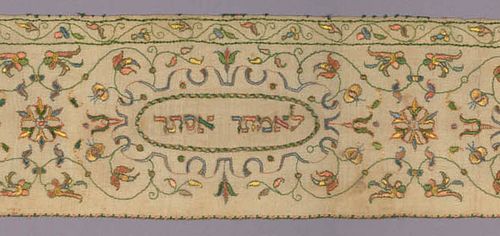
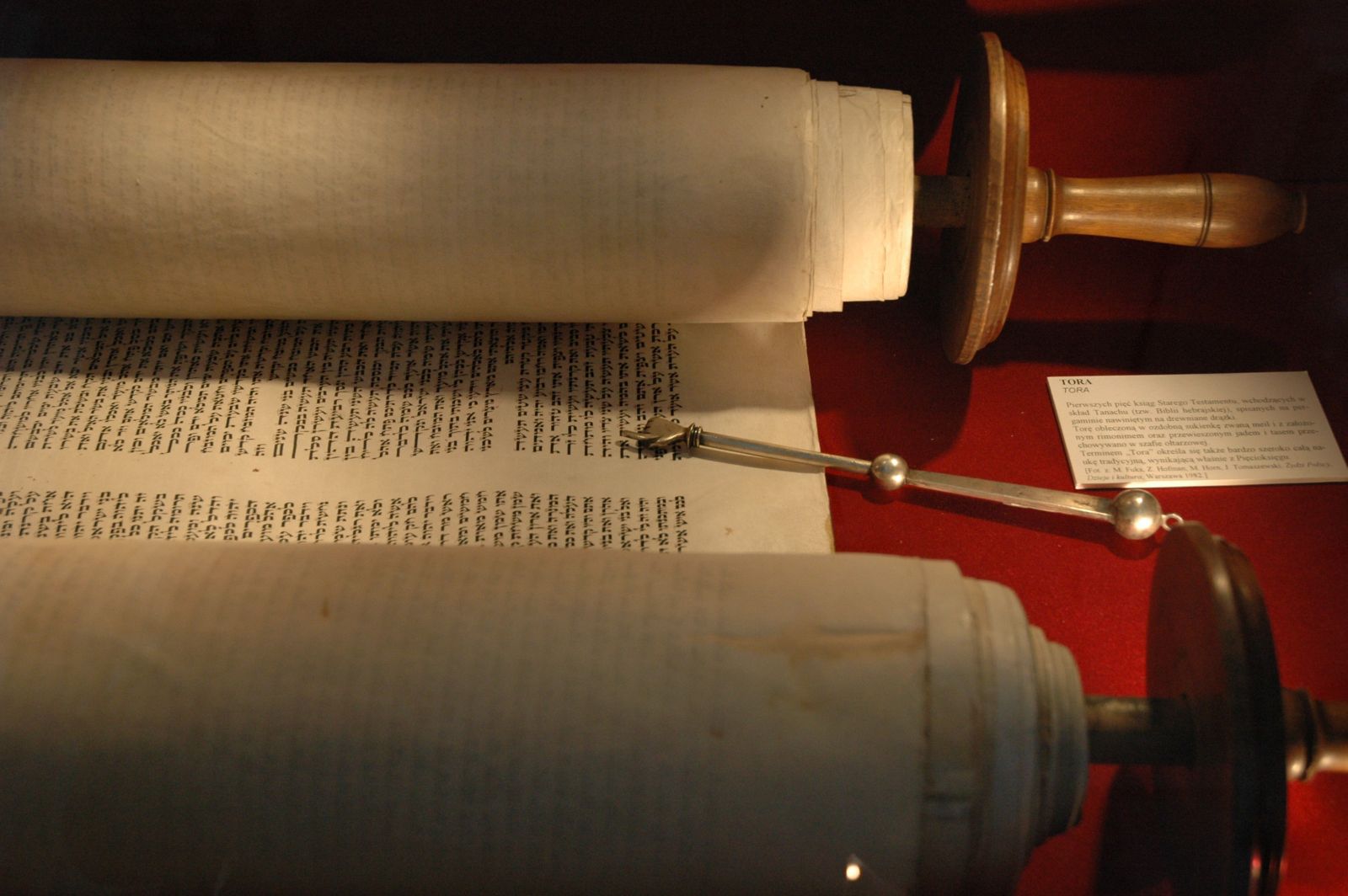
Torah is the Jewish word for Law. In its final form the Torah, or Jewish cannon consisted of three parts: the Law, Prophets and Writings. The Torah was most important to the Pharisees who accepted all three parts. They tried to apply the Torah to every aspect of their daily life and when they could not they turned to Rabbis who would make decisions based on what was written in the Torah. The Essenes also believed the Torah...
Reviews of: "Disagreements amongst jewish groups in the middle of the first century b.c.e."
:
More Religion & Faith
essays:
Judaism or Judaisms?
... to sacrifice an animal outside the temple, the priests were in an unsettling position. As can be seen in countless other examples, politics and religion are invariably tied, and people began practicing their own flavors of Judaism after ...
A paper discussing Christianity, Judaism, and Islam, and how aspects of each religion has affected general social behavior. "History of God" by Karen Armstrong as reference
... seeking religious insight. The Greek influence of Christian theology brought ... their beliefs apart from Judaism. It must be noted that Christians thought and think of themselves as distinct from the Jewish Temple. Armstrong ... a belief that theology is a private matter among Jews, and no theological idea ...
The sadducees and the pharisees.
... Judaism, the Sadducees and the Pharisees. In this I will discuss their position in society, religious beliefs, traditions and practices with reference to the New Testament and the writings of Josephus. The Sadducees were a Jewish group of the Second Temple ...
Muslim-Christian Dialogue
... This Christian belief opposes the Bible's teaching in Hosea 6:6: "For I desired mercy and not sacrifice, and ... religious life? C. Yes. I am not going to Church as regularly as before. I have been secretly reading books written by Muslims. I have asked several Muslims to explain matters ...
THE JEWS On Monday the __ of October the Year
... animal sacrifices, however since the temple was destroyed, Jews instead donate to charity How Judaism Views ... of Judaism The Jews believe in the same God that Christians believe ... however Jews do not follow Jesus’ teachings because they do not believe him to be the Messiah, or the Son of God. Jews believe ...
It is about Passover and its traditional foods.
... rabbinic Judaism in the first and second centuries, like the Hellenes, Judeo-Christians, Sadducees and Essenes. The four sons could also have mirrored the political attitudes of Jews living ... the priestly garments worn during the temple service of the Passover sacrifice. The ...
The Jewish People: their hertitage and faith.
... high priest entered the inner sanctuary of the Temple (the Holy of Hollies) to offer sacrifice. "A goat-the so called scapegoat- symbolically carrying the sins of the Jewish people, was then driven into the desert" (Grolier ...
Rabbinical Judaism.
... the Christian era' (Patrick Burke, 1996, p. 231). In summary, Rabbinic Judaism is the form of Judaism as we know it today. The main ancient sources from which this form of Judaism study from are the Torah, both ...
General
The content is very general with little information on disagreements, and how the groups in charge oftened perscuted others disagreeing with them.
1 out of 3 people found this comment useful.